Packing List for Ireland (Including a Local’s Essentials Checklist)
Ireland Travel Planning uses affiliate links, including Amazon Associates. If you buy through these links, I may earn a small commission at no extra cost to you. I use a mix of my own photos and paid stock images across the site. (Disclosure Policy)
If you’re packing for Ireland for the first time, the weather is probably the bit causing the most confusion.
Do you need a heavy coat?
Waterproof trousers?
Hiking boots?
Summer clothes?
Somehow, the answer can feel like ‘yes’ to all of it, which is how people end up packing for four separate holidays.
As someone who was born and raised in Ireland and spends a lot of time travelling around the country, my biggest advice is to keep it simple.
Ireland’s weather is changeable, but you do not need to prepare for every possible scenario.
For most visitors, a good packing list for Ireland comes down to a few layers you can add and remove, a proper waterproof jacket, comfortable shoes and a handful of practical extras that make travelling around the country much easier.
If you just want the short version, pack light layers, one warm jumper or fleece, a waterproof jacket with a hood, comfortable waterproof shoes, your usual travel documents, a universal travel adapter and a small day bag. Then adjust from there for the season and the sort of trip you have planned.
Ireland Packing List: The Essentials
- Lightweight T-shirts and long-sleeved tops
- 1 to 2 jumpers or fleeces
- Comfortable trousers or jeans
- A proper waterproof jacket with a hood
- Comfortable waterproof walking shoes
- Underwear and socks
- Pyjamas
- A casual outfit for evenings
- Sunglasses and sunscreen
- Type G travel adapter
- Phone charger and power bank
- Small day bag
- Reusable water bottle
- Prescription medication
- Passport, travel documents and payment cards
That covers the basics for most trips. You can add warmer layers in winter, lighter options in summer and more specialist gear if you’re hiking or spending a lot of time outdoors.
QUICK TIPS for IRELAND
AVOID HIGH ROAMING CHARGES
Airalo eSIMs work seamlessly across Ireland with quick, affordable data plans. Use code IRELAND10 for 10% off your plan (ROI Deals & ROI & NI Plans)
AIRPORT TRANSFER MADE EASY
Welcome Pickups is my go-to for reliable rides from the airport straight to your accommodation. I'd advise booking in advance for peace of mind.
DISCOVER UNIQUE activities
Check out GetYourGuide & Viator for unique things to do, like a DIY Claddagh Ring Workshop or a street food walking tour with a local.
DON’T SKIP INSURANCE!!
I can't stress this enough, but travel insurance is an absolute must! Thankfully, VisitorsCoverage is great for comparing affordable, trusted insurance plans to find one that actually suits your needs.
AVOID OVERPAYING FOR CAR RENTALS
Before booking your rental, I'd advise checking out comparison tools like DiscoverCars to ensure you're getting the best deal on the market.
NEED A LAST MINUTE PACKING FIX?
You'd be surprised how many visitors regret not packing waterproof trousers (like these) or a universal travel adapter (like this). That's why I created this Amazon essentials list for those last minute packing needs.
The 3-Layer Ireland Packing Formula
If there’s one thing I’d get right when packing for Ireland, it’s your layers.
Irish weather is rarely extreme, but it can change quickly. You might leave your hotel in sunshine, feel cold an hour later, and then get caught in a shower before lunch.
I generally think of it as three simple layers:
- Base layer: A T-shirt or long-sleeved top that feels comfortable on its own.
- Warm layer: A jumper or fleece you can throw on when the temperature drops.
- Waterproof outer layer: A proper waterproof jacket with a hood to deal with rain and wind.
You don’t necessarily need to wear all three at once. The point is that you can add or remove something throughout the day without needing a completely different outfit.
This is also why I’d choose a few pieces that work well together rather than packing a different outfit for every day. Ireland is casual, and repeating layers will save you a lot of suitcase space.
If you tend to feel the cold, a packable waterproof jacket can be particularly handy because it gives you extra warmth without taking up half your luggage.
That basic formula works for most trips. From there, you can adjust it depending on whether you’re visiting in January, July, spending most of your time in Dublin, or heading out along the Wild Atlantic Way.
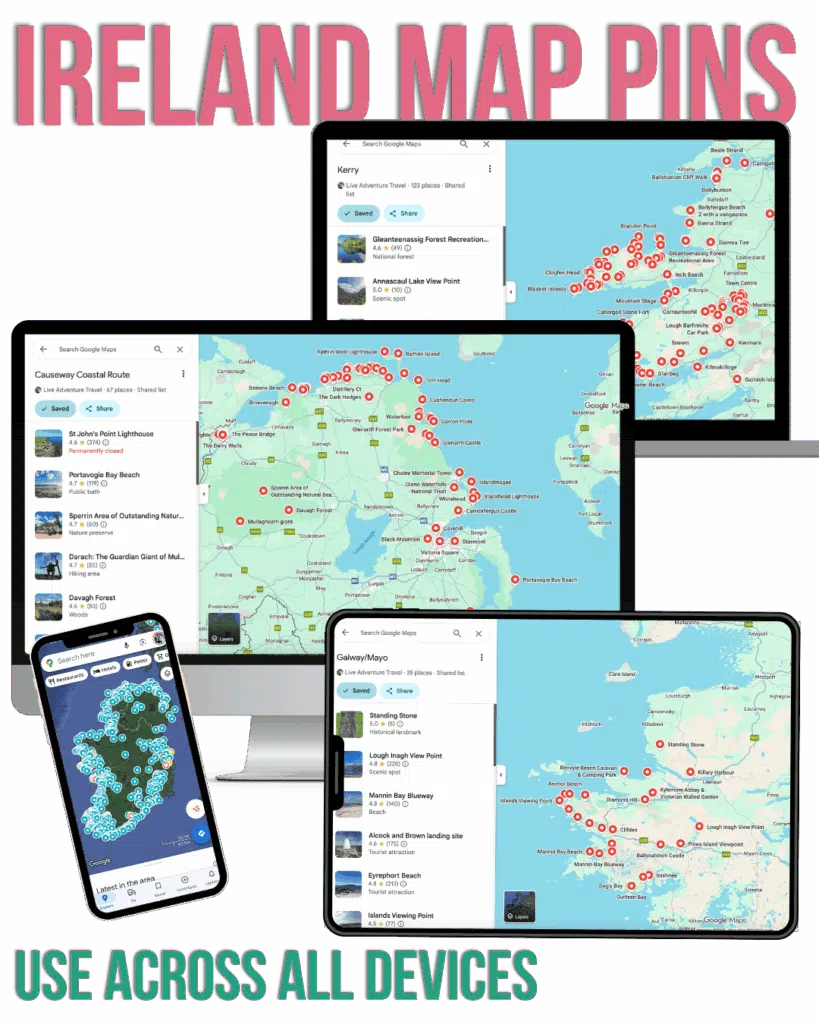
Avoid only visiting the same generic locations seen in every Ireland Travel guide…
Instead, spice up your itinerary with local hidden gems, lesser-known spots, and pull-ins that most drive past.
Sign up below for free access to my hand-picked Google Map Pins.
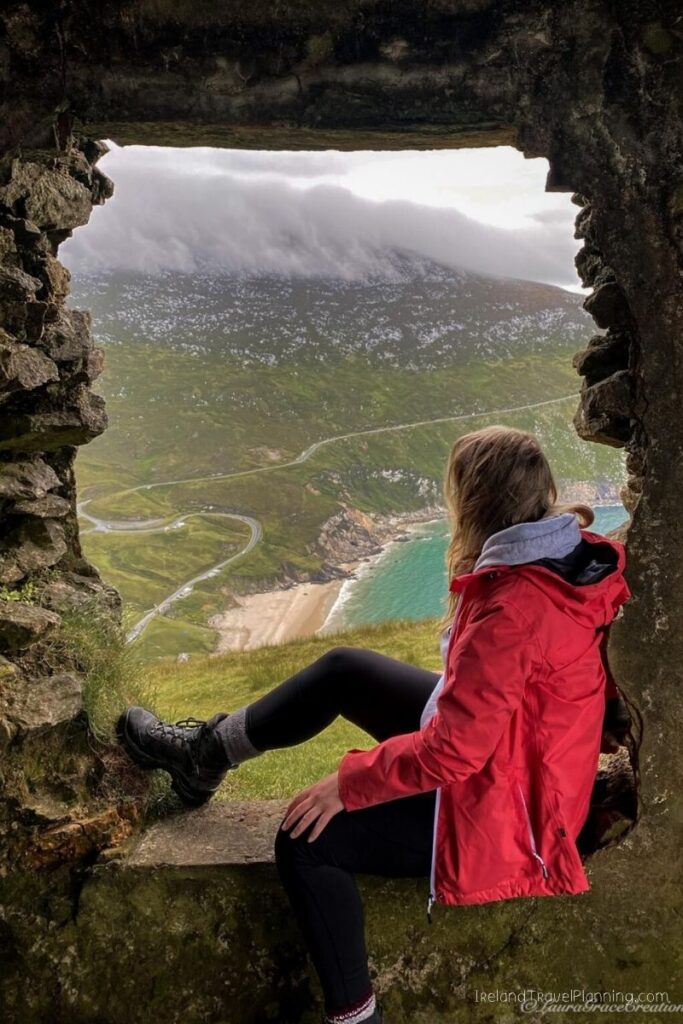
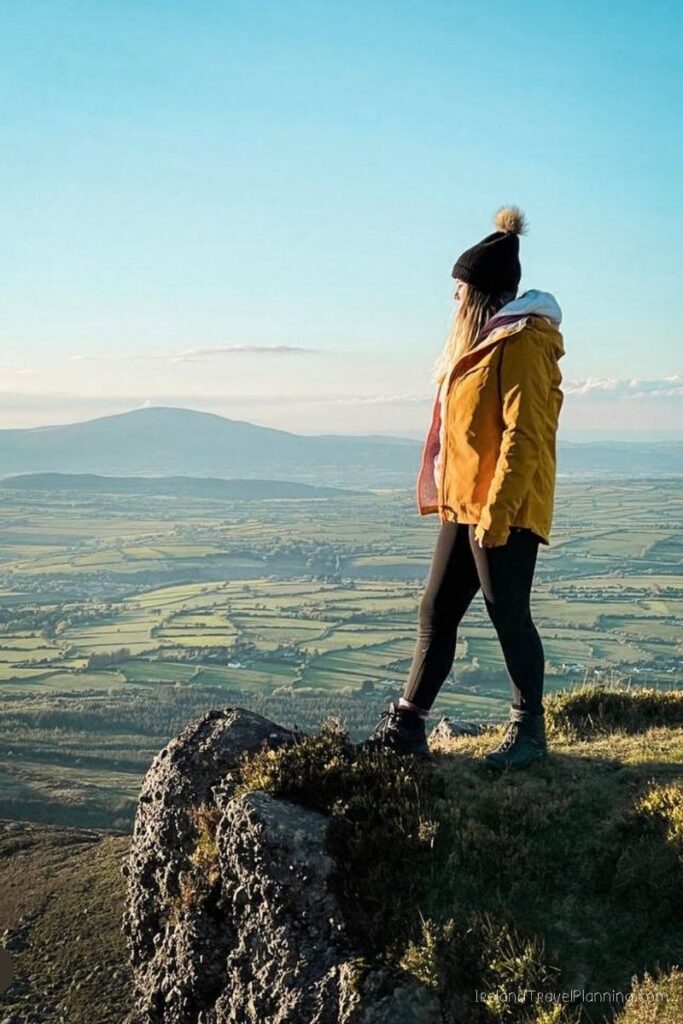
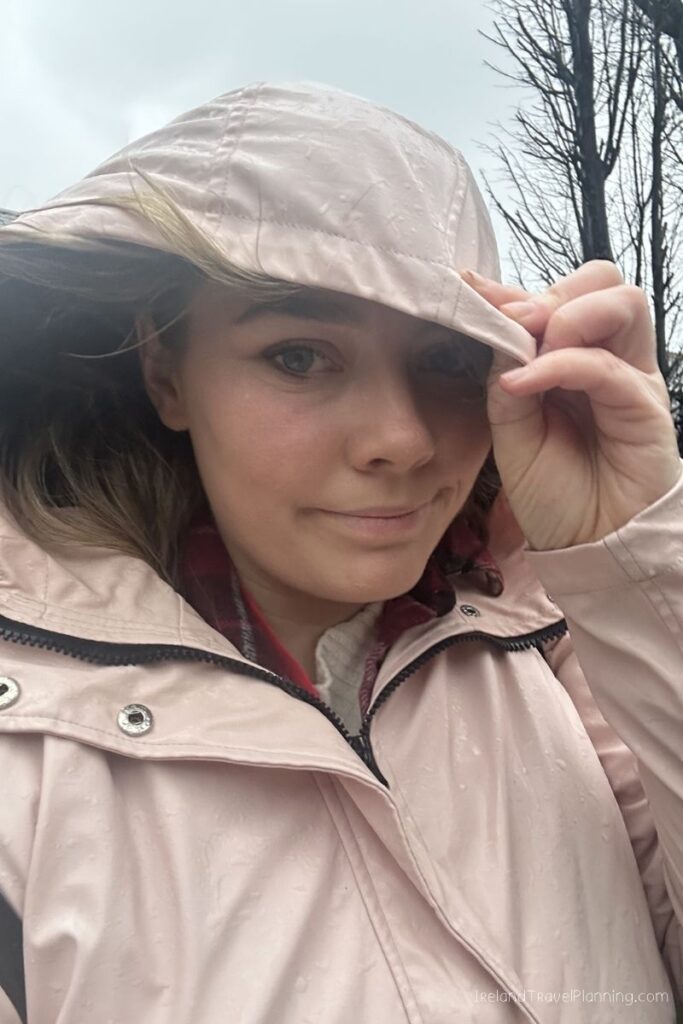
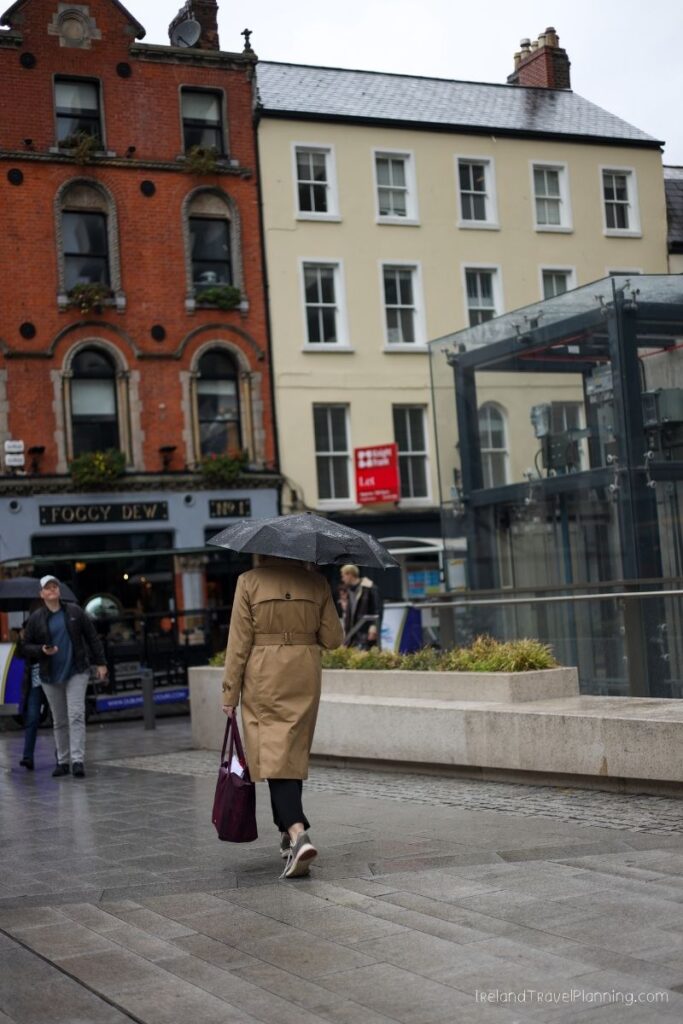

What Clothes to Pack for Ireland
You really don’t need a huge amount of clothing for Ireland. I’d focus on pieces you can mix, match and layer rather than trying to plan a completely different outfit for every day.
For most trips, I’d pack:
- 4 to 5 tops, with a mix of short and long sleeves (depending on time of year)
- 1 to 2 jumpers or fleeces
- 2 to 3 pairs of trousers or jeans
- 1 lighter pair of trousers for warmer months
- Pyjamas
- Underwear and socks
- One casual evening outfit if you want something slightly nicer for dinner
Ireland is quite casual, so you generally don’t need formal clothes unless you have a specific event or high-end stay planned.
I’d also avoid packing too many bulky pieces. A thick cotton hoodie might feel cosy, but once it gets damp it can take forever to dry, which is why lighter layers usually work much better here.
In summer, I’d still pack trousers and a warm layer rather than assuming you’ll be living in shorts. We do get lovely weather, but Irish summer can be very optimistic about the word ‘summer’.
In colder months, add a warmer insulated layer, scarf, gloves and a hat rather than completely changing the rest of your wardrobe.
Pack for Ireland
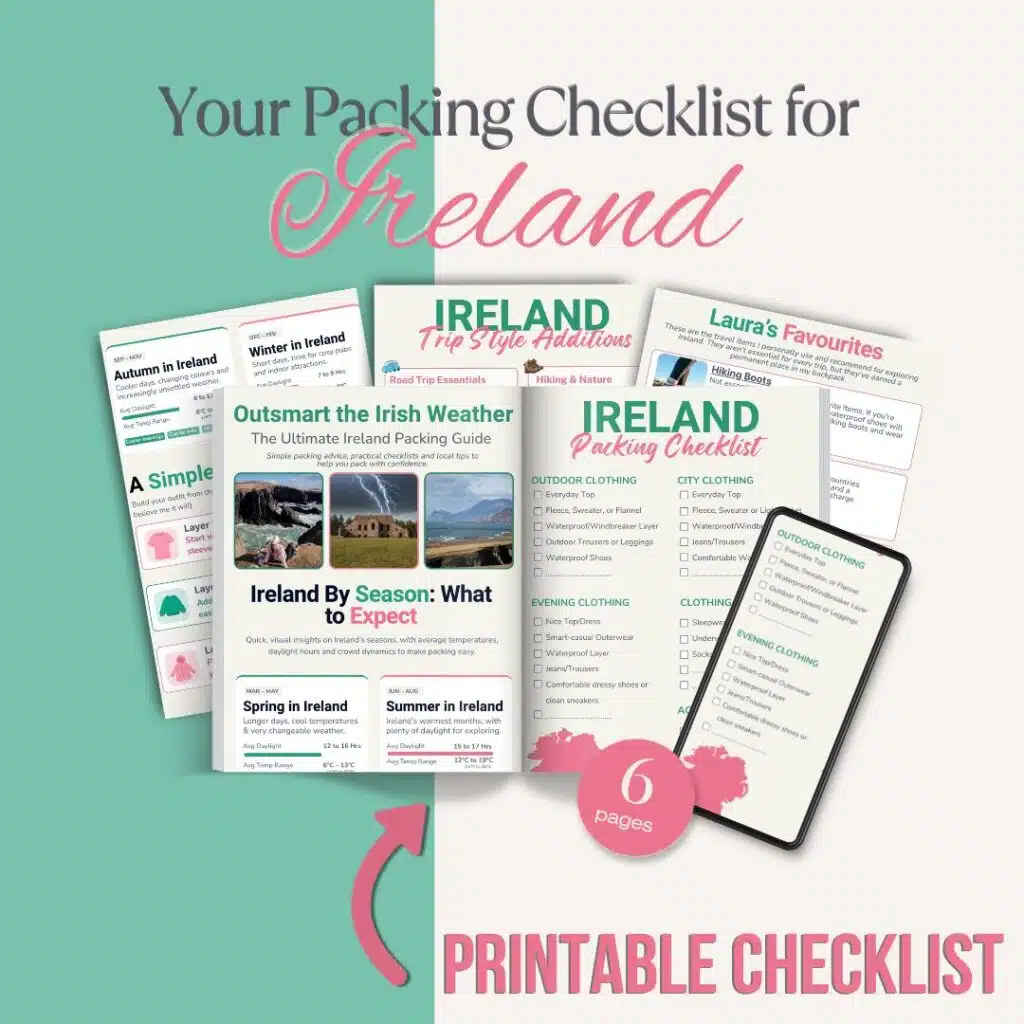
Never Wonder “Did I Forget Something?”
A printable Ireland packing guide created by a local, so you know exactly what to bring for Ireland.
✔ Complete packing checklist
✔ Seasonal additions
✔ Hiking & road trip essentials
✔ Local recommendations
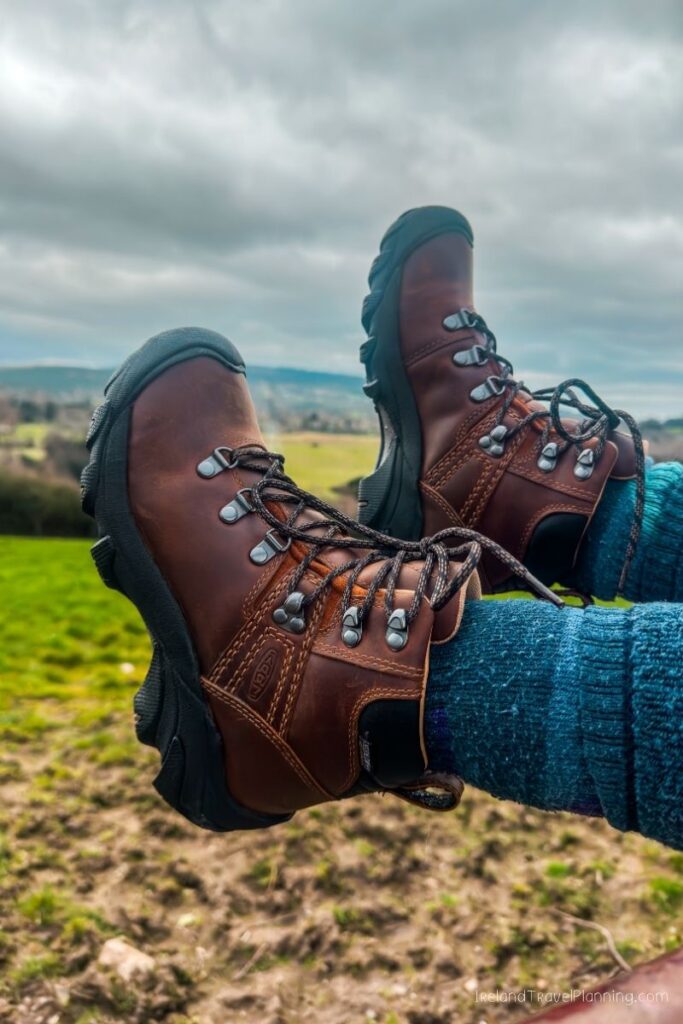
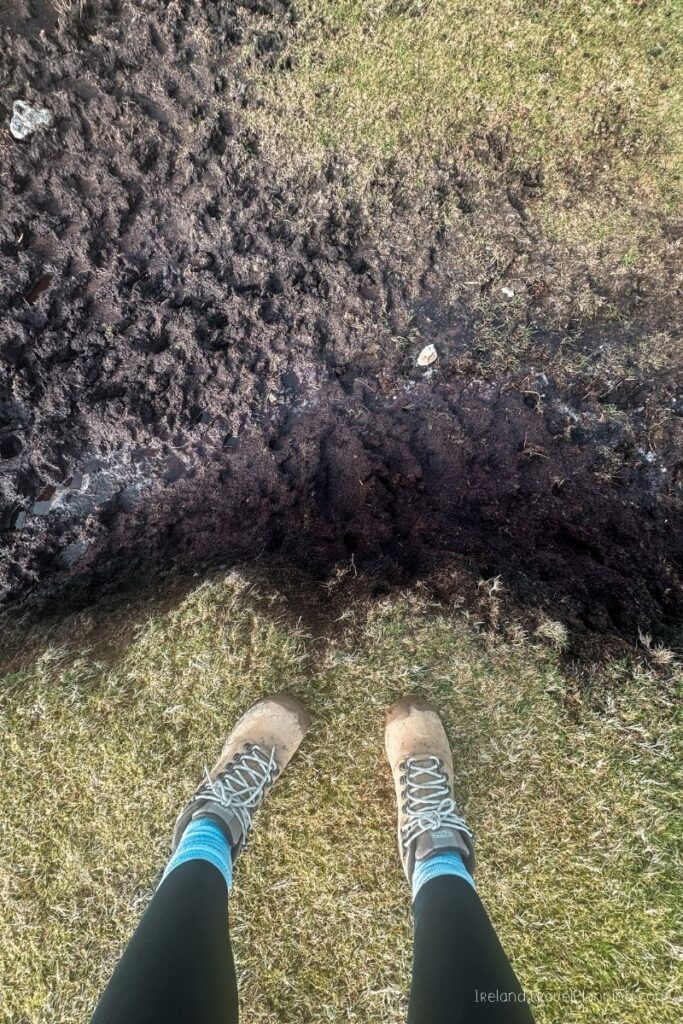
What Shoes to Pack for Ireland
Shoes are one of the easiest things to get wrong when packing for Ireland, mainly because so many of our attractions involve wet grass, uneven ground, cobblestones or muddy paths.
For most trips, I’d bring two pairs at most:
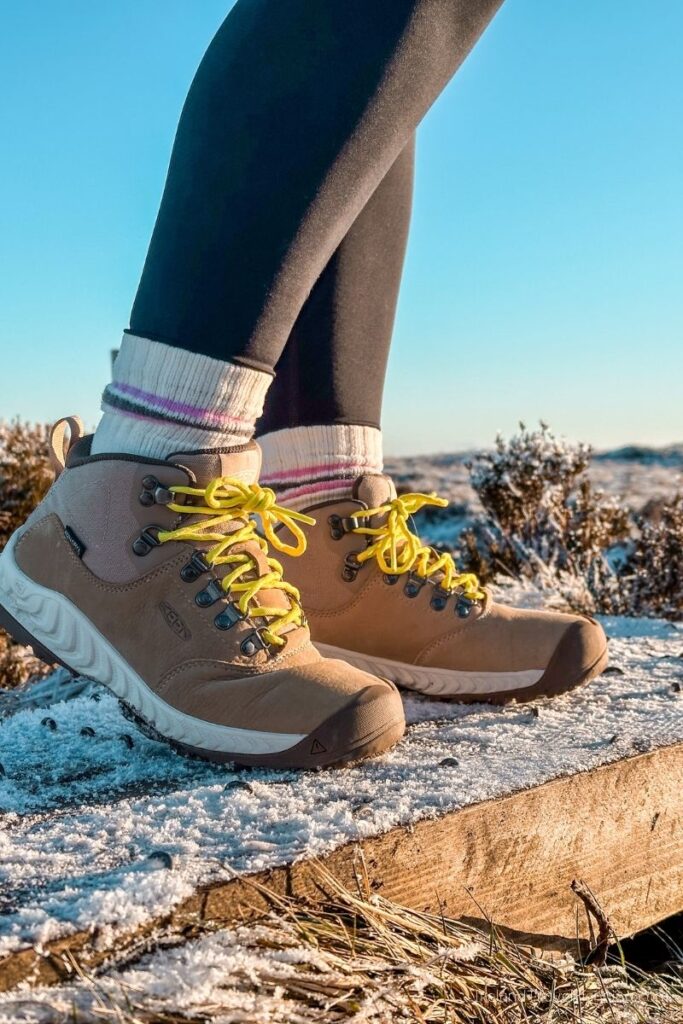
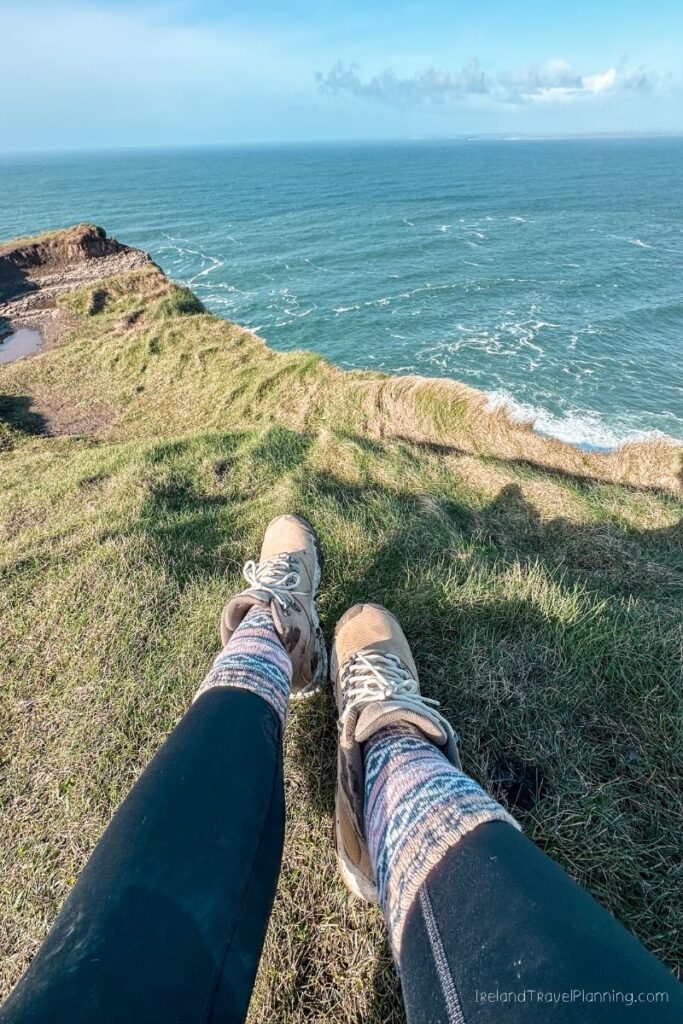
- Comfortable waterproof walking shoes or light hiking shoes for sightseeing, coastal walks and countryside stops
- A casual pair of trainers or shoes for cities, dinners and drier days
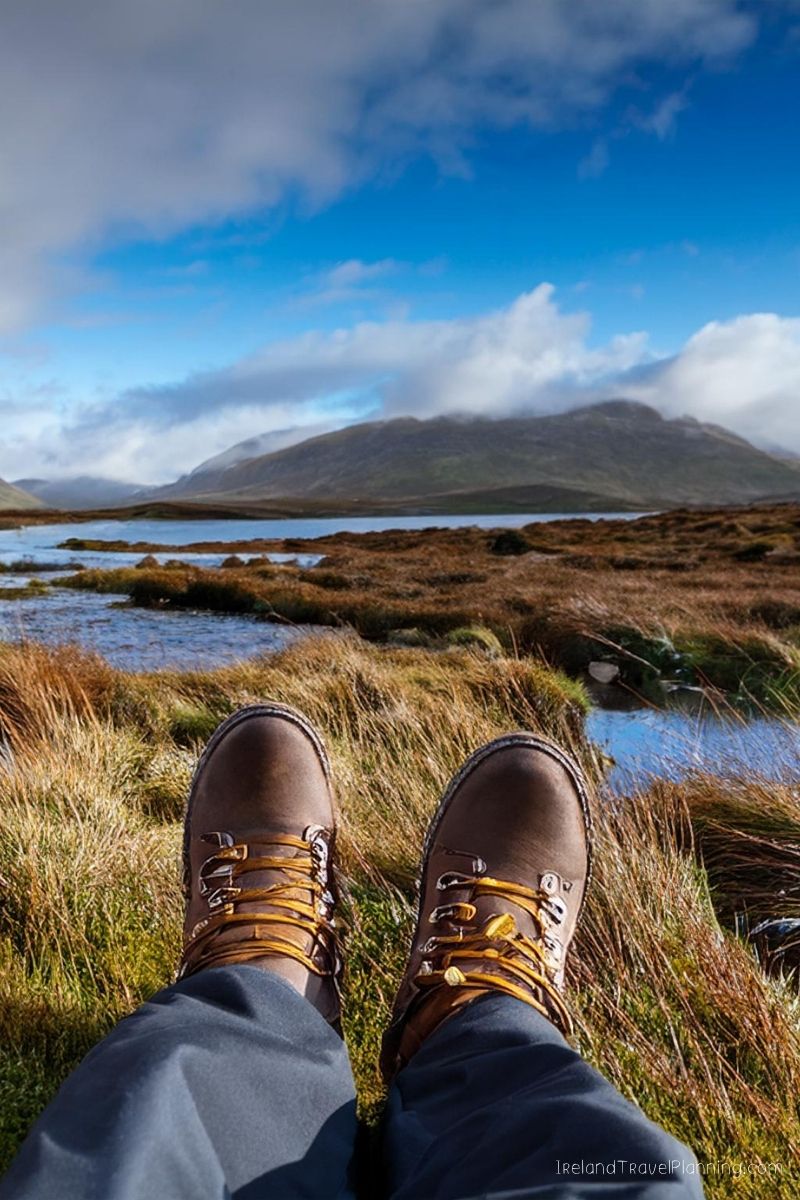
Hiking boots aren’t necessarily needed if you’re sticking to cities, pull-in viewpoints or easier walks. But in saying that, I would still recommend waterproof shoes or some sort.
I absolutely love mine because they keep my feet dry without feeling like I’m walking around in heavy boots all day. You can also get waterproof hiking sneakers (like these ones), which are a much lighter option.
Or, if you already own a comfortable pair of boots with decent grip, you do not necessarily need to go out and buy hiking boots just for Ireland.
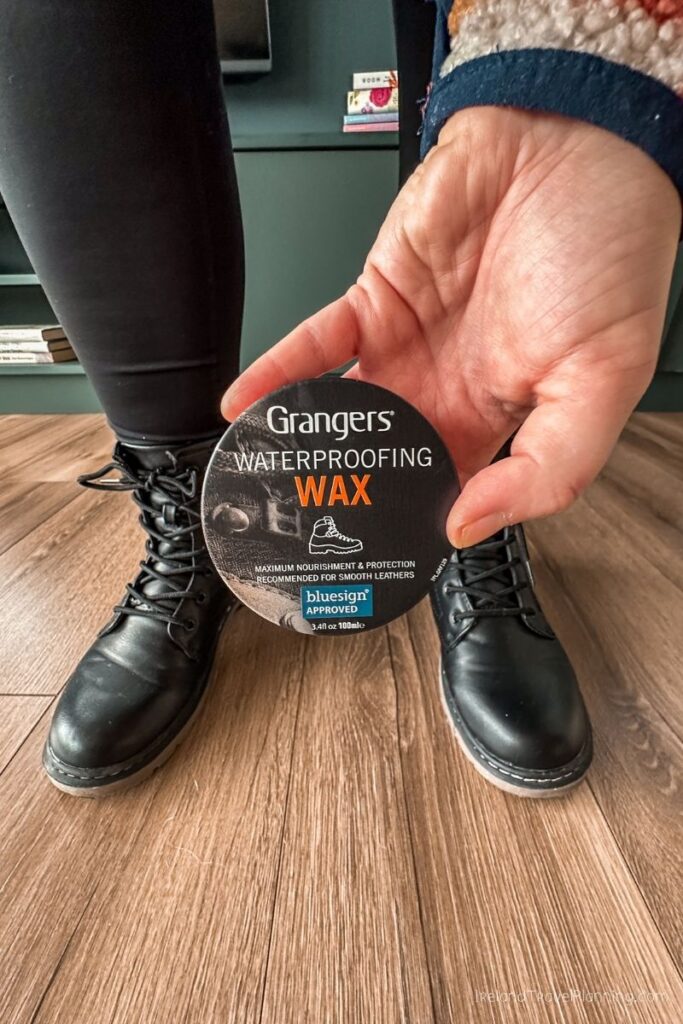
You can use a waterproofing wax on suitable boots to give them extra protection from wet grass, puddles and light rain. It can be a handy option if you already have shoes you know are comfortable and you are unlikely to use hiking boots again after the trip.
I’d just make sure the boots themselves have good grip and are suitable for the kind of walking you plan to do.
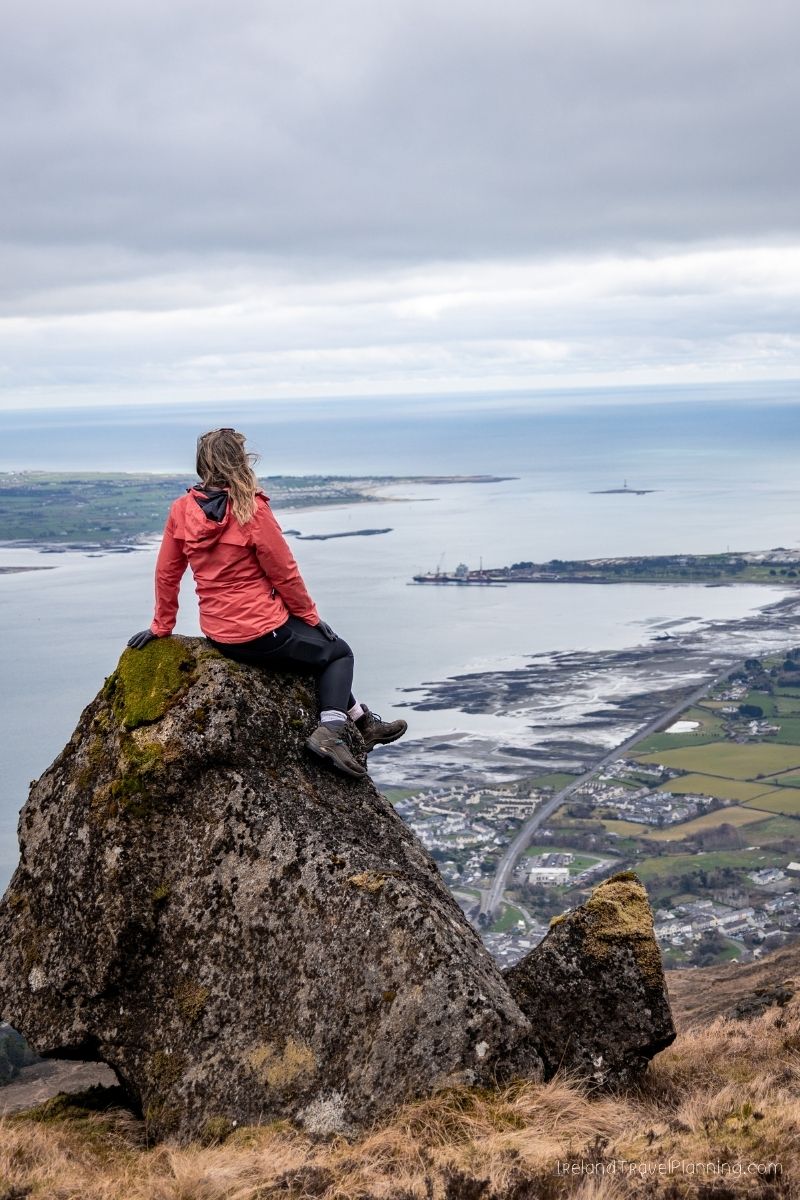
If you are planning proper hikes, then I definitely recommend hiking boots with good grip. Ireland’s terrain can be boggy, wet and uneven, and rolling an ankle is easier than you might think.
Hiking poles (these ones fold up nice and small) are also quite common here. If having that extra bit of stability would make you feel more confident on uneven ground, there is absolutely nothing unusual about bringing or using them.
I’d also be cautious about relying entirely on canvas trainers or very light white runners. They look grand leaving the hotel, but wet grass has a remarkable ability to humble optimistic footwear.
Whatever you bring, prioritise comfort. You’ll probably do far more walking in Ireland than you expect.
NEED A LAST-MINUTE PACKING FIX?
You'd be surprised how many visitors regret not packing waterproof trousers (like these) or a universal travel adapter (like this). That's why I created this Amazon essentials list for those last-minute packing needs.
Waterproof Gear for Ireland
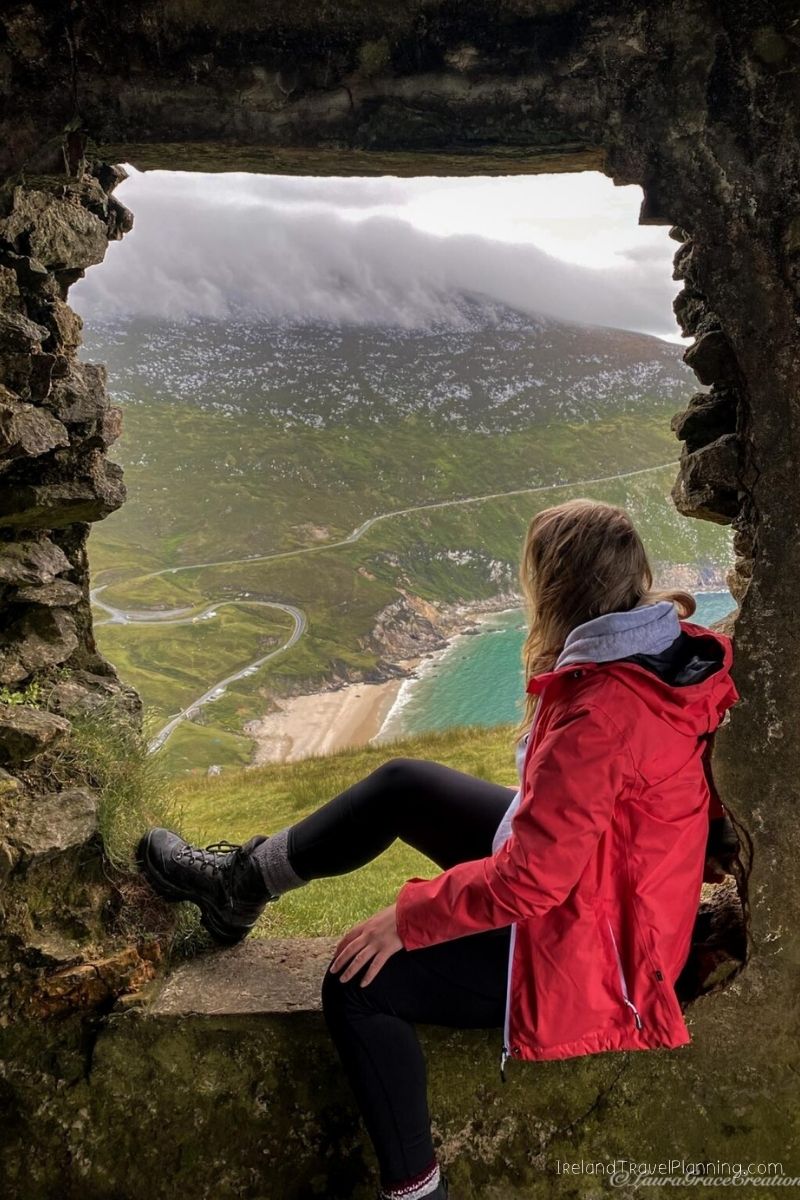
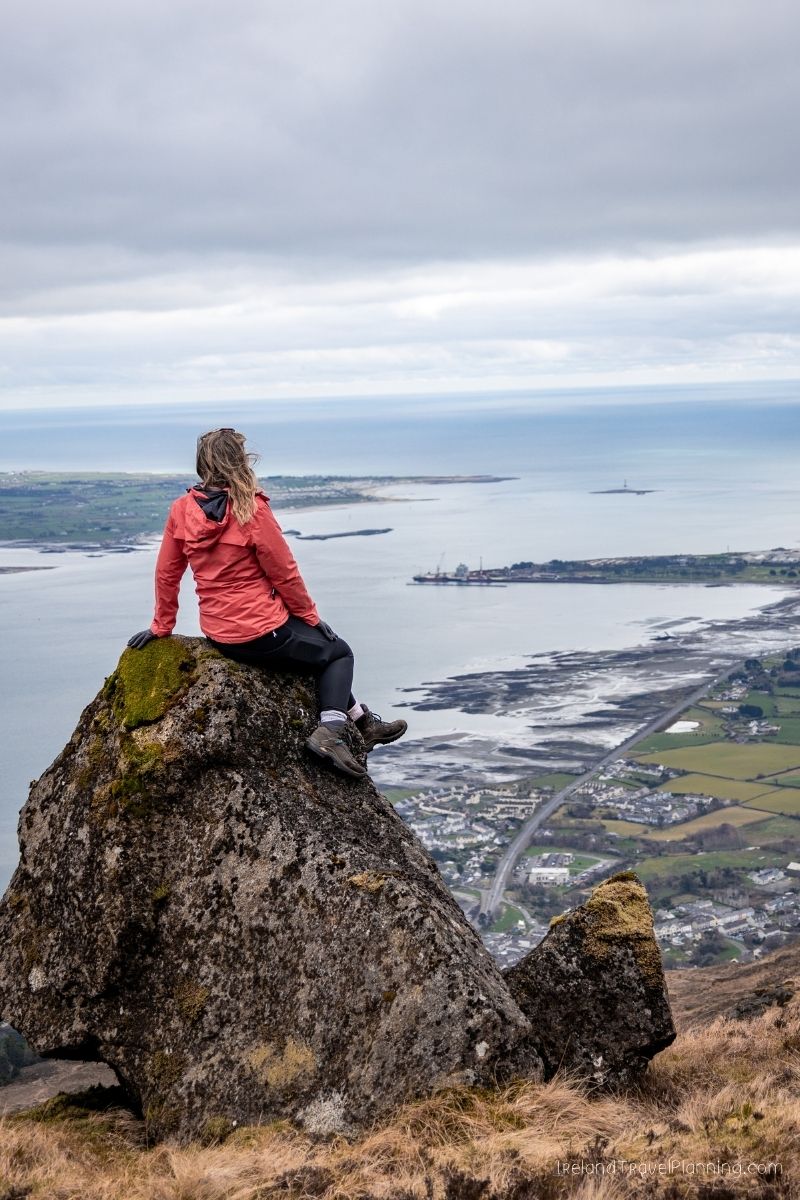
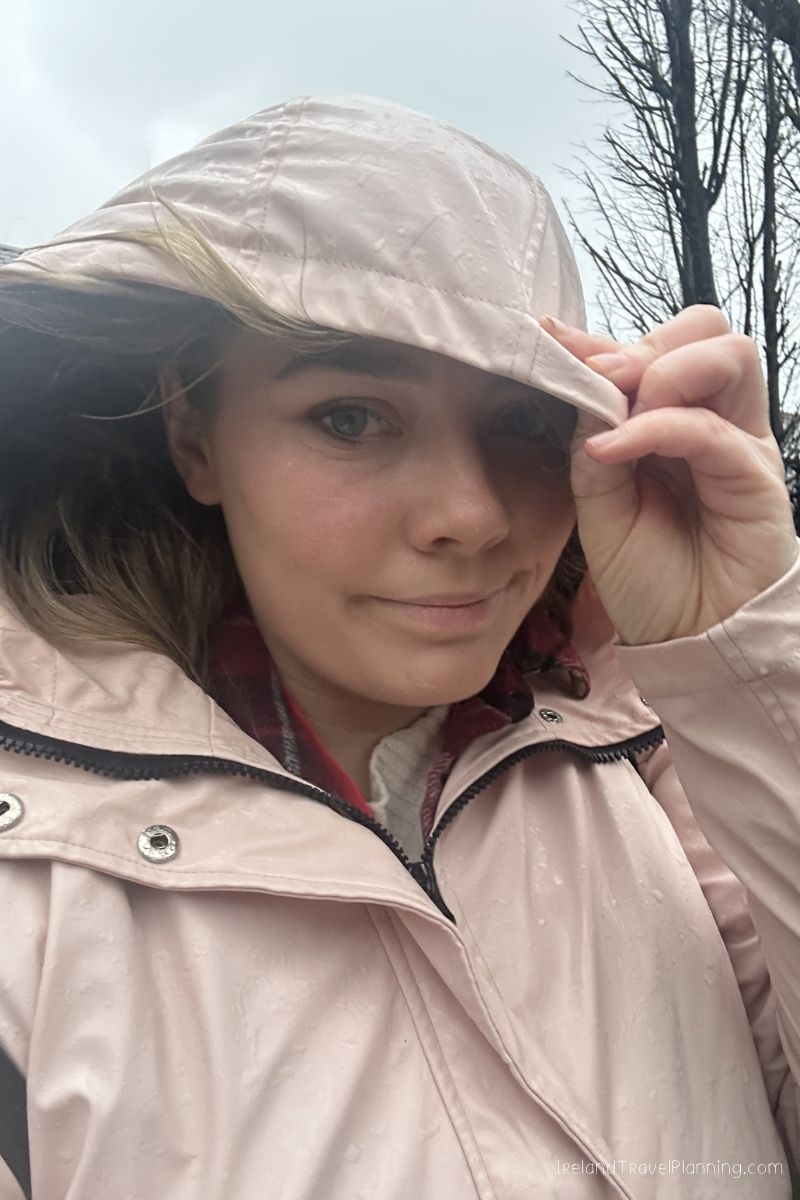
A proper waterproof jacket is the one thing I would not compromise on.
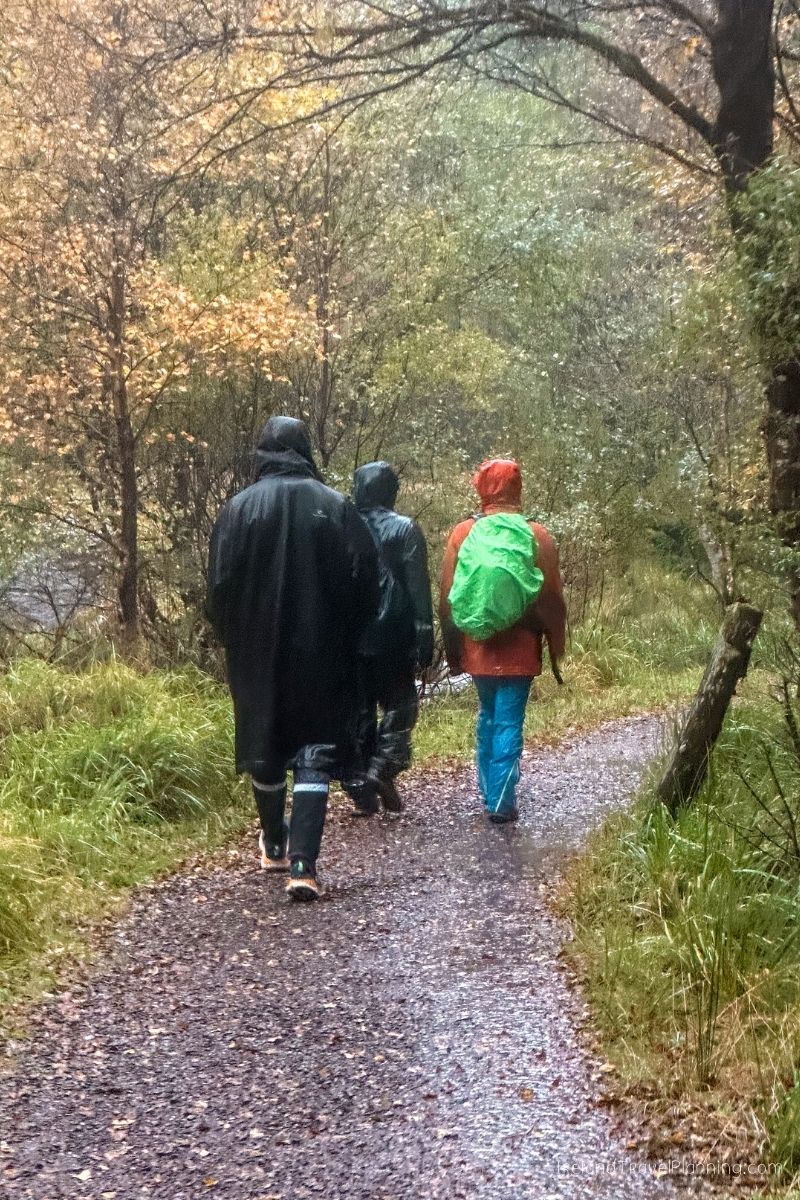
Ireland’s rain is often light and on-and-off rather than dramatic, but if you are sightseeing all day, even a few showers can leave you cold and miserable if your jacket is only water-resistant.
The good news is that you can get highly packable waterproof jackets (like this one) that fold down small enough to keep in your day bag. They are easy to throw over a jumper or fleece when the weather turns without taking up half your suitcase.
I’d always choose one with a hood too, especially if you are travelling along the coast where the wind can make an umbrella fairly useless.
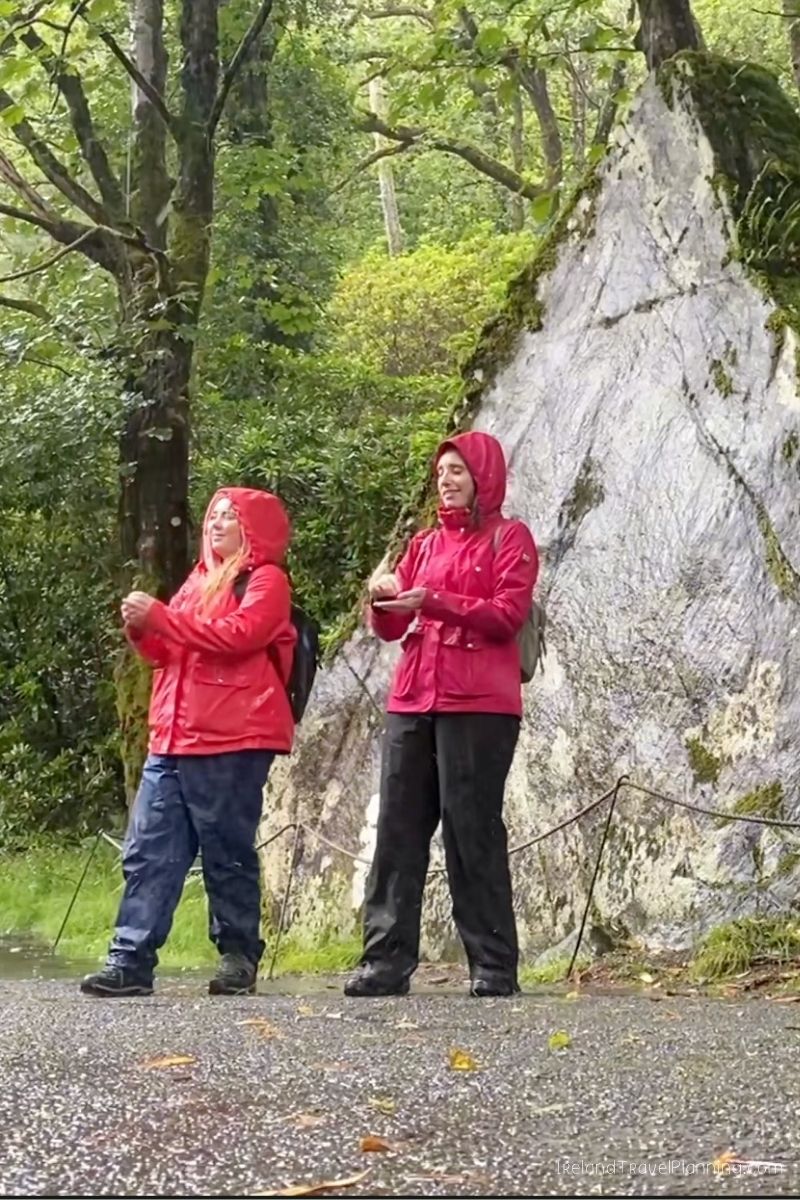
Waterproof trousers are probably the packing recommendation I get the most pushback on.
I’ve even had locals tell me they’ve lived in Ireland their entire lives and have never owned a pair. And fair play to them, but as a local, you can look out the window when it’s lashing rain and decide today is a lovely day to stay inside.
When you’re visiting Ireland for a week or two, you don’t have that luxury. If the weather happens to be awful during your trip, a lightweight pair of waterproof trousers (like these ones) means you can still get outside without spending the rest of the day in soaking wet clothes.
And rain does not automatically ruin Ireland. Some of the most dramatic landscapes look incredible in moody weather, especially along the coast. It is much easier to appreciate that when you’re warm and dry rather than wondering how long it takes socks to dry on a hotel radiator.
Believe me, I’m speaking from experience. Travelling around Ireland is my job, so unlike most locals, I’m regularly outside whether the forecast behaves itself or not. I have pretty much lived in Waterproof trousers throughout my career and own multiple pairs, mainly because my organisational skills cannot be trusted to ensure one pair is anywhere to be found 🤣
I personally don’t recommend relying on an umbrella in Ireland. Our wind has a habit of making them fairly pointless, particularly along the coast.
But if you are someone who likes having one, go for a wind-resistant umbrella rather than a cheap lightweight one. It can still be handy for city days when the weather isn’t too wild.
Quick waterproof checklist
- Proper waterproof jacket with a hood
- Waterproof trousers if you’re spending lots of time outdoors
- Waterproof or water-resistant footwear
- Compact wind-resistant umbrella for city days, if you like using one
- Spare socks for longer outdoor days
🚨 DON'T SKIP INSURANCE: I can't stress this enough, but travel insurance is an absolute must! Thankfully, VisitorCoverage is a great tool when comparing affordable plan options.
What to Keep in Your Day Bag in Ireland
Your day bag matters more in Ireland than you might think, especially if you are out sightseeing from morning until evening.
The weather can change, you may be nowhere near your main luggage, and if you are on a guided tour, you might not be able to access your suitcase again until you reach your accommodation.
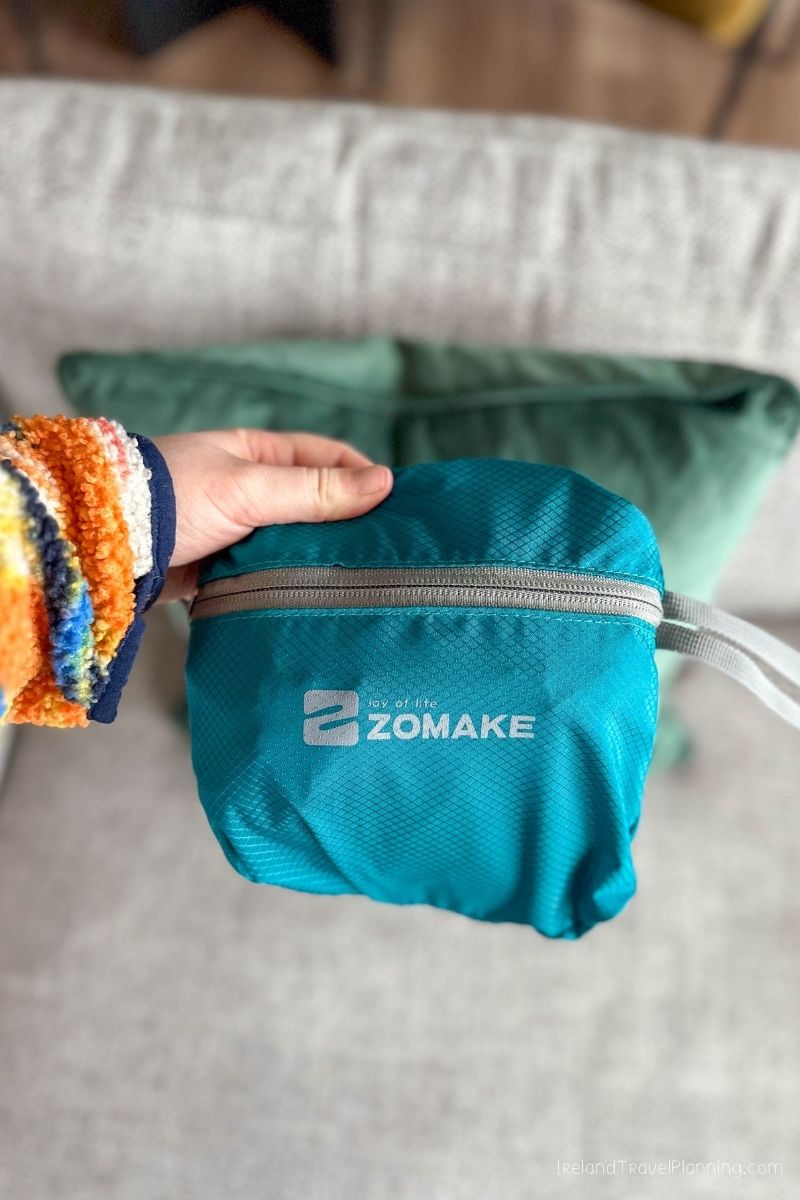
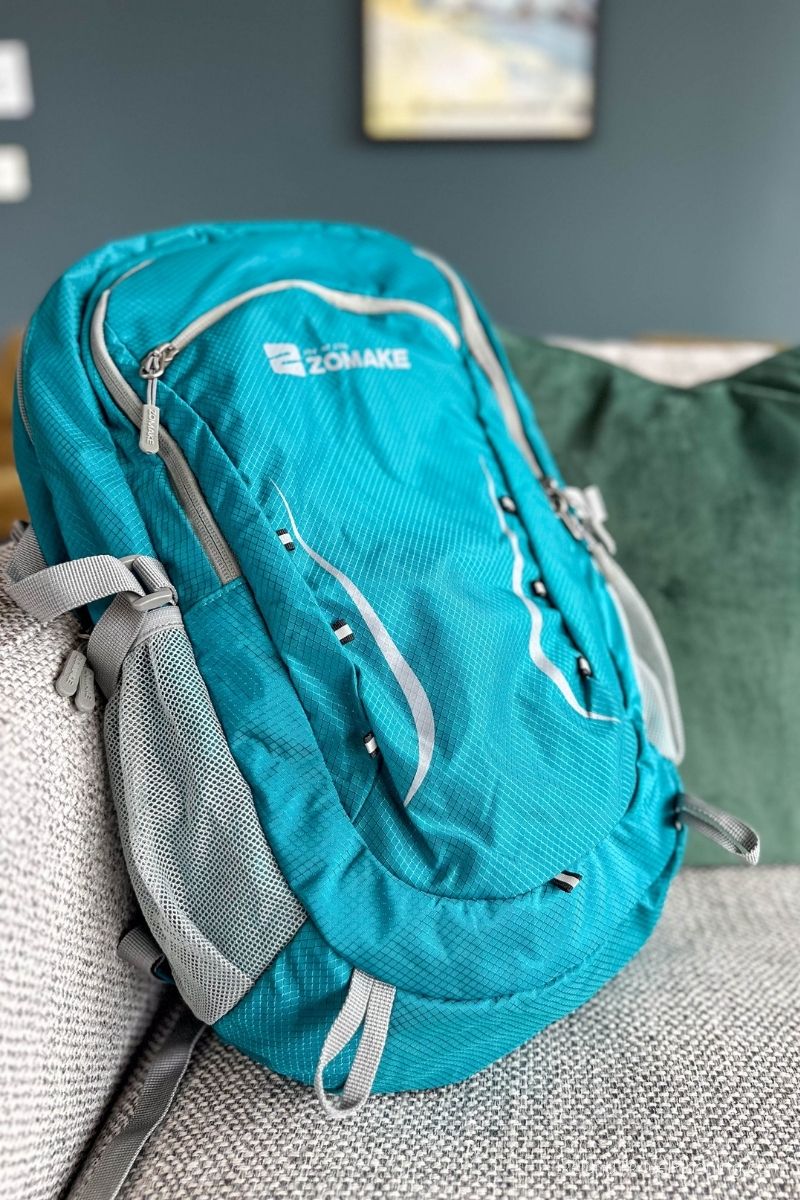
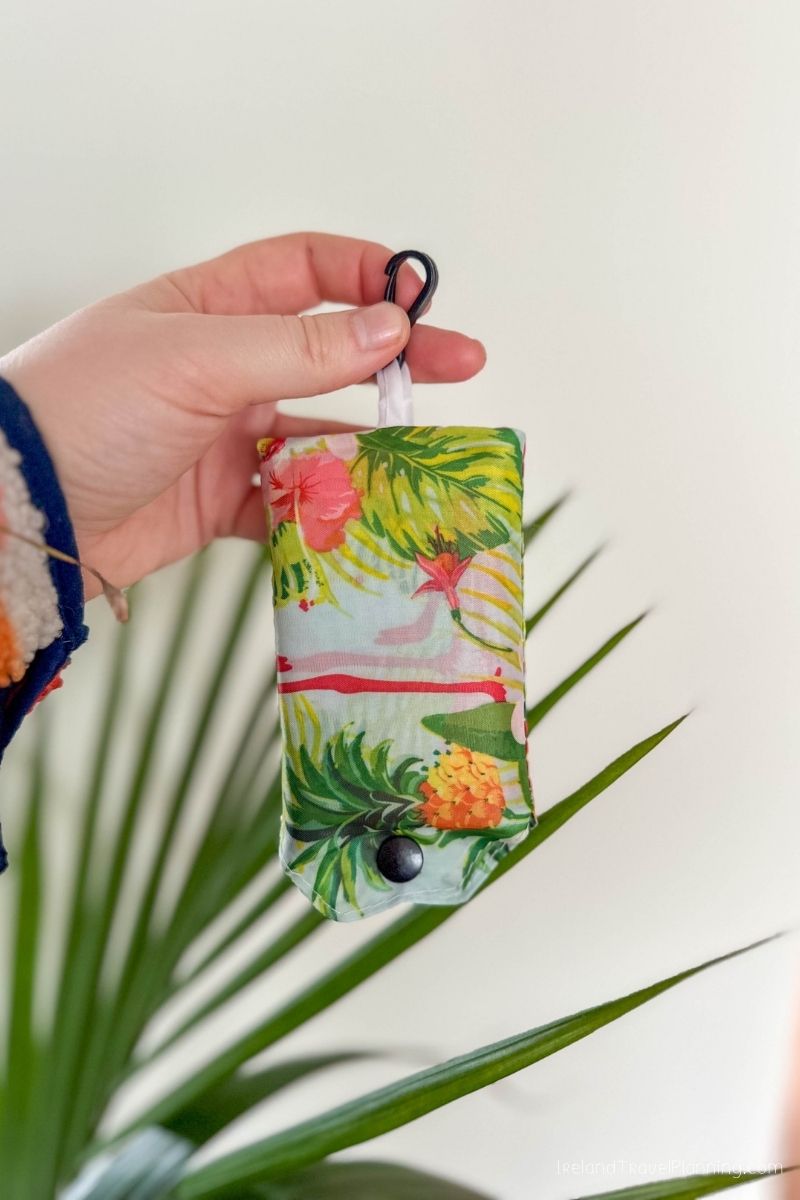
I really like packable backpacks (like this one) for Ireland. They fold down tiny inside your main luggage but open into a proper day bag once you arrive.
That extra space is surprisingly useful because you’ll probably spend the day taking layers on and off. It means you have somewhere to put your fleece or waterproof jacket instead of carrying everything around in your hands.

I’d keep it practical rather than stuffing it with half your belongings. For most days, you really only need enough to deal with weather changes, keep your phone alive and stay comfortable.
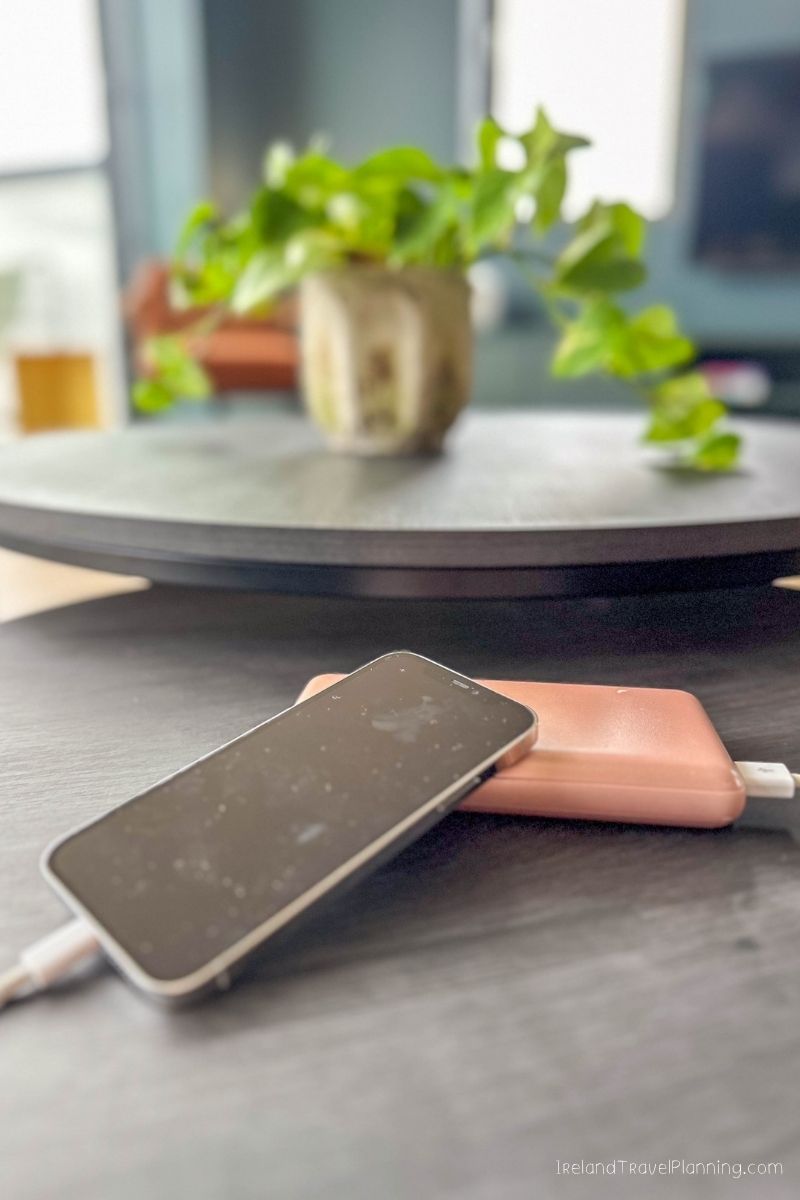
A power bank is one of those things I would bring with you rather than planning to buy once you arrive. Chargers, power banks and batteries are easy enough to find in Ireland, but they can be noticeably more expensive than what many visitors are used to paying at home.
Between Google Maps, photos, videos and checking opening times, your battery can disappear far quicker than expected.
It is much easier to arrive with one you already trust than realise halfway through your trip that you need to buy one at tourist-area prices.
I’d also keep a light warm layer and your waterproof jacket within easy reach rather than buried at the bottom of the bag. There is nothing worse than trying to dig through everything while the rain has already started.
Quick day bag checklist
- Waterproof jacket
- Light jumper, fleece or warm layer
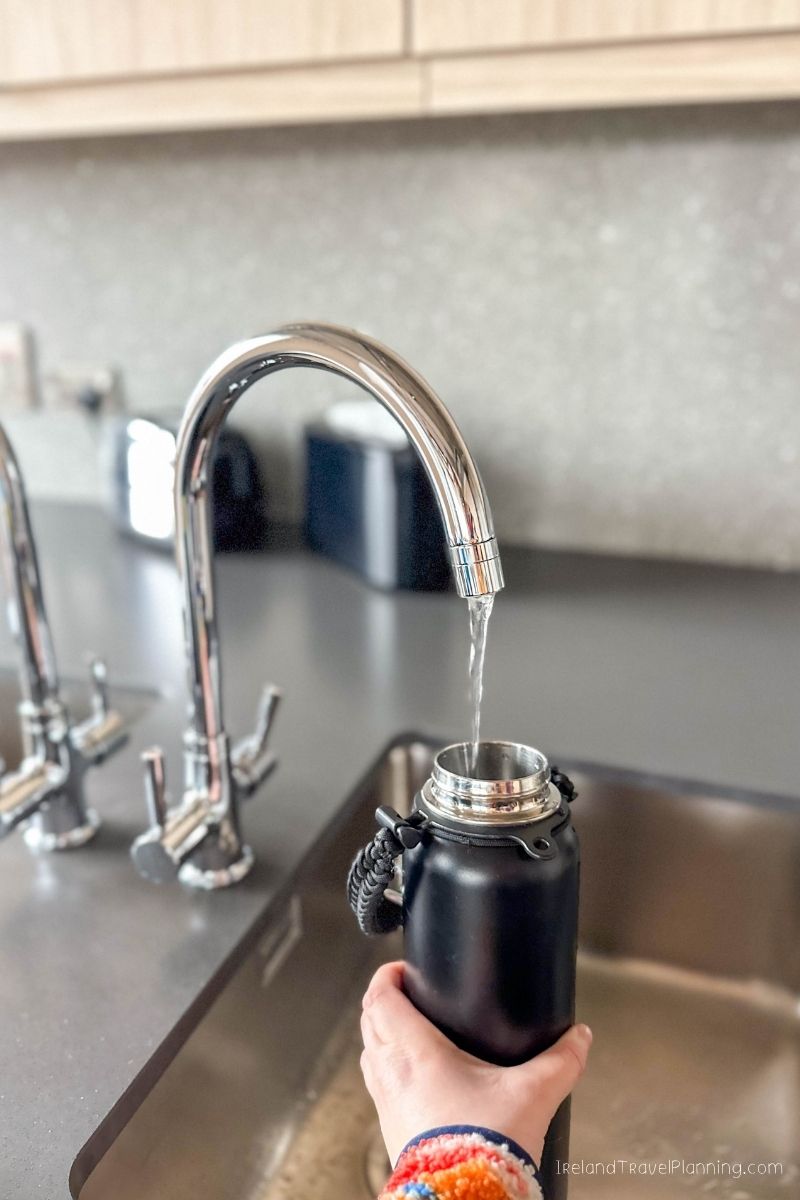
- Reusable water bottle
- Phone
- Small power bank and charging cable
- Prescription medication
- Sunscreen
- Sunglasses
- Lip balm
- Small snack
- Tissues or hand sanitiser
- Spare socks if you are spending the day outdoors
- A small first aid kit and a tick remover.
You do not need to carry all of these every single day. A Dublin sightseeing day will look very different from a windy afternoon on the Aran Islands, so adjust it around where you are actually going.
If you are spending time hiking, walking through long grass or visiting areas with sheep or deer, I’d consider getting a small first aid kit and a tick remover.
Ticks are present in Ireland, so it is just another small outdoor precaution that is handy to have with you rather than needing it when you are miles from anywhere.
Toiletries, Medication and Health Essentials
You can buy most basic toiletries easily once you arrive in Ireland, so I would not use valuable suitcase space on huge bottles of shampoo, shower gel or anything else you can pick up in Boots or a supermarket.
One small thing that can catch visitors out is face cloths, or washcloths.
They are not guaranteed in every Irish hotel. Some places do provide them, particularly because international visitors often expect them, but they are nowhere near as standard as bath towels and hand towels.
If you use one every day, I’d bring your own rather than assuming there will be one waiting in the bathroom.
The things I would be more careful about are prescription medication, anything you use every day, and products that are difficult to replace if your luggage goes missing.
Keep prescription medication in your hand luggage, ideally in its original packaging, and bring enough for the full trip. I’d also keep a photo or copy of your prescription details on your phone, just in case.
If you are prone to motion sickness, pack something for that too. Irish roads can be narrow and winding, and ferry crossings to the islands can get choppy, so this is one of those little things that is much better to have before you need it.
A small first aid kit and a tick remover can also be handy if you are hiking or spending a lot of time outdoors, but you do not need to pack half a pharmacy.
Quick toiletries and health checklist
- Prescription medication
- Prescription details or a photo of them
- Toothbrush and toothpaste
- Deodorant
- Skincare and any personal products you rely on
- Sunscreen
- Lip balm
- Motion sickness medication, if needed
- Painkillers or basic medication you normally use
- small first aid kit and a tick remover.
- Glasses, contact lenses and solution
- Menstrual products, if needed
- Face/Wash cloth
If you forget something basic, you will generally be able to replace it easily once you are here, so this is one section where I would definitely avoid overpacking.
Avoid only visiting the same generic locations seen in every Ireland Travel guide…
Instead, spice up your itinerary with local hidden gems, lesser-known spots, and pull-ins that most drive past.
Sign up below for free access to my hand-picked Google Map Pins.
Electronics, Adapters and Phone Essentials
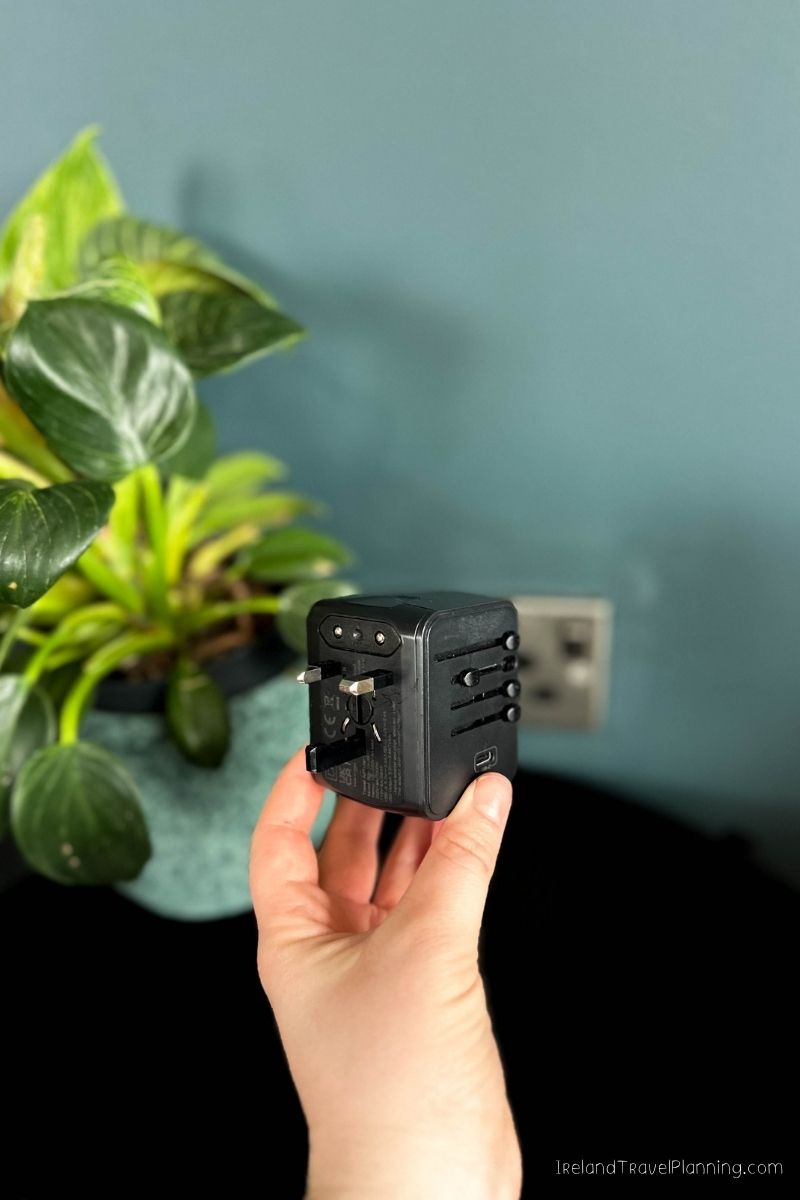
The main thing to remember is that Ireland uses Type G plugs, the same three-pin style used in the UK.
A general ‘European adapter’ is usually the two-pin continental version, which will not work here. Rather than buying an adapter that only works in Ireland and the UK, I normally recommend a universal international travel adapter (like this one).
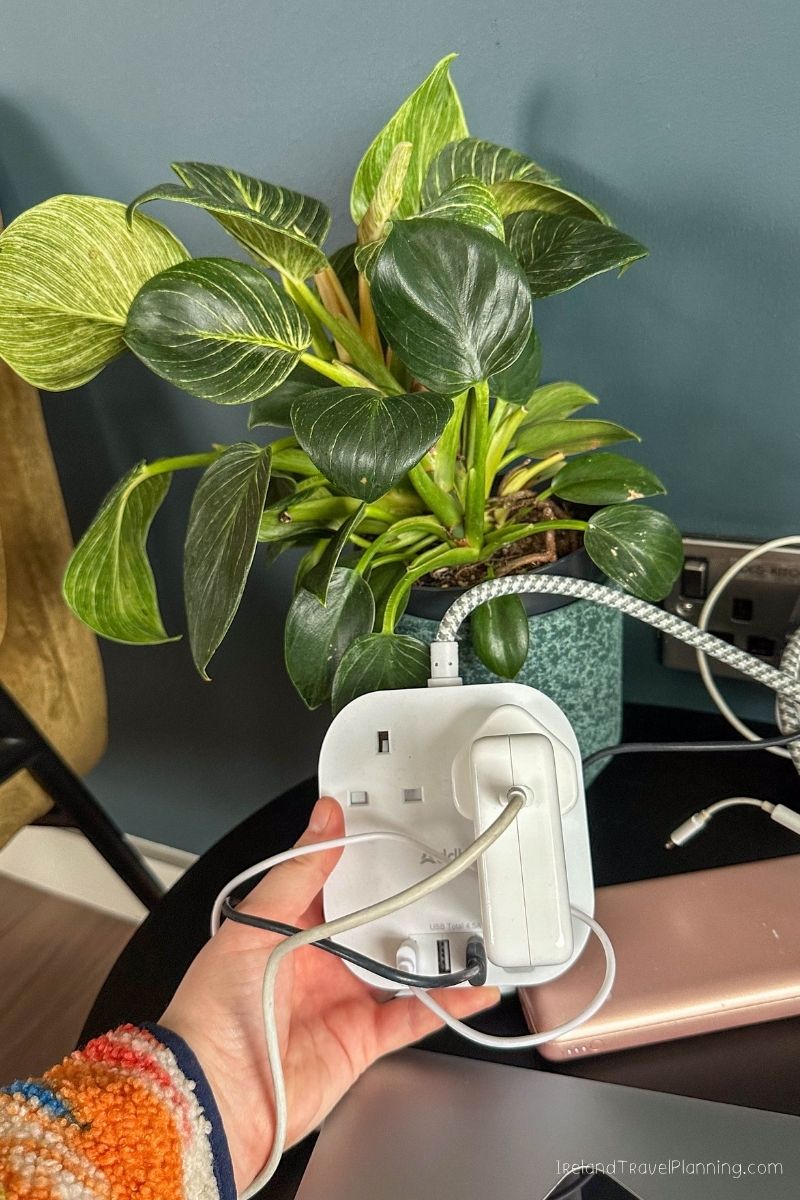
My universal travel adapter has USB, USB-C and normal plug outlets, and it is honestly one of the most useful travel purchases I’ve made. I’ve had it for years, use it constantly when I travel, and even use it at home when I need extra charging ports.
It also means you have something you can use for future trips rather than another adapter disappearing into a drawer the second you get home.
I also like bringing an extension lead when I travel because it means I can charge multiple devices from one adapter instead of hunting around the room for spare sockets.
Before packing hair tools, check the voltage carefully. Ireland uses 230V, and while phones and laptops are usually fine, some US hair dryers and straighteners are not. Most hotels provide a hair dryer anyway, so I would usually leave that at home.
For phone data, an eSIM is one of the easiest options if your phone supports one. Just make sure the plan you choose covers the right area if you are visiting both the Republic of Ireland and Northern Ireland.
Quick tech checklist
- Phone
- Phone charger
- Universal international travel adapter
- Small power bank
- Charging cables
- extension lead, if useful
- Camera and spare battery, if bringing one
- Memory cards
- Headphones
- eSIM or mobile data plan
- Phone mount if you are renting a car
The goal here is not to bring every gadget you own. It is just to make sure the things you do bring will actually work once you get here.
❌ AVOID EXPENSIVE ROAMING CHARGES: An affordable eSIM plan is the perfect solution! Airalo eSIMs work seamlessly across Ireland with their quick, easy and affordable plans use the code IRELAND10 for 10% off. (ROI Deals & ROI & NI Plans)
Travel Documents and Money to Pack for Ireland
This is the boring section until you forget something important, so it is worth getting sorted before you leave.
A few of these Ireland travel essentials are easy to overlook because they are not the exciting part of packing, but they are the things you’ll notice very quickly if you forget them.
Keep your passport, travel insurance details, accommodation confirmations and any pre-booked tickets somewhere easy to access. I also like having digital copies saved on my phone rather than relying on internet access when I need them.
If you are renting a car, bring your physical driving licence and keep your rental confirmation handy too.
Ireland is very card-friendly, so you do not need to arrive with a huge amount of cash. I would still carry a small amount of euros for things like rural parking, honesty boxes, smaller businesses or the odd place where cash is simply easier.
If you are travelling into Northern Ireland, remember that the currency changes to pounds sterling.
Quick documents and money checklist
- Passport
- Boarding passes or flight details
- Travel insurance details
- Accommodation confirmations
- Pre-booked tour or attraction confirmations
- Physical driving licence if renting a car
- Car rental confirmation
- Credit or debit cards
- Small amount of euros in cash
- Pounds sterling if visiting Northern Ireland
- Copies or photos of important documents
- Emergency contact details
- Saved itinerary or route notes
I would also save key information offline where possible. It is a small thing, but it makes arrival days and road trips feel much less chaotic.


How to Pack for Ireland by Season
Your Ireland packing list does not need to change completely every month. The basic layers stay the same, and then you add or remove a few things depending on the season.
Spring
March, April and May can be a real mix of sunshine, cold spells, wind and rain.
I would pack your usual three layers, plus a slightly warmer jumper or fleece. A waterproof jacket is still essential, and I would not assume May automatically means warm weather.
Summer
June, July and August are generally the mildest months, but Irish summer does not always mean shorts and T-shirts.
Bring lighter tops, trousers, your waterproof jacket and at least one warm layer for evenings and cooler days. Sunglasses and sunscreen are worth packing too, even if the forecast looks a bit miserable.
Autumn
September can still feel quite mild, but October and November usually bring cooler temperatures, more wind and wetter days.
This is when I would add a warmer fleece or packable down jacket, particularly later in the season. They give you a surprising amount of warmth without taking up much room in your suitcase, which makes them ideal for layering under your waterproof jacket.
Winter
December, January and February need more warmth, but I still would not build your whole suitcase around one giant coat.
I usually recommend a packable down jacket for winter because you get plenty of warmth without sacrificing half your suitcase. Layer it underneath your waterproof outer jacket, then add a hat, gloves and scarf depending on how cold you tend to feel.
Quick seasonal add-ons
- Spring: Warmer jumper or fleece, light scarf
- Summer: Lighter tops, sunglasses, sunscreen
- Autumn: Fleece or packable down jacket, scarf, light gloves
Winter: Packable down jacket, hat, gloves, scarf, warmer socks
The main thing is to check the forecast shortly before you travel rather than trying to predict Irish weather months in advance. It enjoys proving people wrong.
If you’re still choosing your travel dates, the best time to visit Ireland really depends on the type of weather, daylight and crowds you’re happiest travelling with.
My Ireland Travel Guides are free to access. If they’ve helped you plan your trip, a virtual tip goes a long way in helping me continue to create them.
What to Pack for Different Types of Ireland Trips
What to pack for Ireland will change slightly depending on how you’re actually travelling, but the basics stay the same.
If you are renting a car
A Phone mount is genuinely useful, especially if you are using Google Maps or offline maps throughout the trip and I’d get familiar with the basics of driving in Ireland before you arrive too.

I’d also keep sunglasses, charging cables, water and a few snacks within easy reach. If you are prone to motion sickness, pack something for that too because some Irish roads are very bendy.
Quick self-drive add-ons
- Physical driving licence
- Car rental confirmation
- Phone mount
- Charging cable
- Offline maps
- Sunglasses
- Motion sickness medication, if needed
- Water and snacks
If you are hiking
You do not need to pack for an expedition unless you are actually doing one.
For most hikes, good footwear, waterproof layers, a packable day bag, water and a warm layer will cover you. I’d also bring a small small first aid kit, a tick remover and head torch if there is any chance you will still be out near sunset.
Quick hiking add-ons
- Waterproof walking shoes or hiking boots
- Waterproof trousers
- Small first aid kit and a tick remover.
- Reusable water bottle
- Snacks
- A head torch
- Midge repellent in warmer months
- Extra socks
If you are mostly visiting cities
For Dublin, Galway, Cork or Belfast, comfort matters more than specialist outdoor gear.
A waterproof jacket, comfortable walking shoes and a packable day bag will usually be enough. I’d also bring one slightly nicer outfit if you want it for dinners or evenings out, but Ireland is generally very casual.
If you are travelling along the west coast
This is where I would take wind and rain a little more seriously.
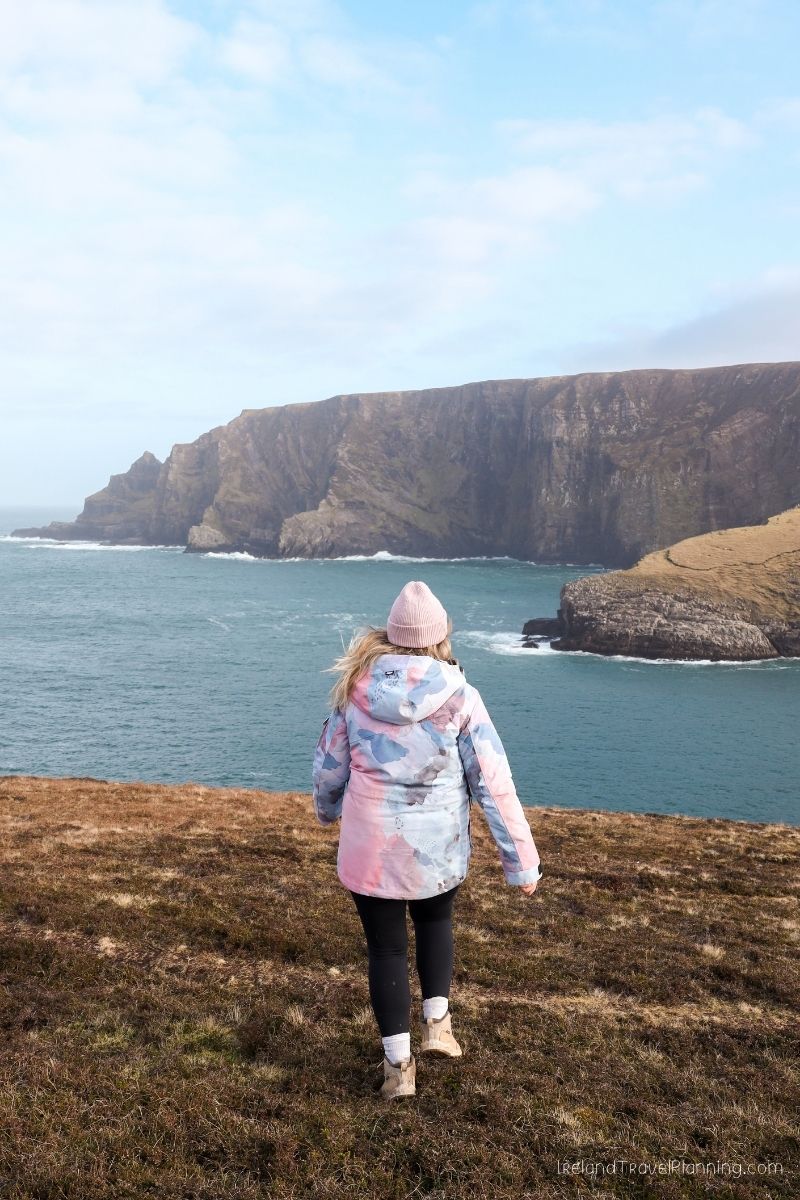
Places like Kerry, Donegal, Galway, Dingle and the Aran Islands can feel much more exposed than a city break, so a proper waterproof jacket, secure hood and warm layer matter far more than an umbrella.
The wind along the Atlantic has very little respect for your hair, your umbrella or your plans.
What Not to Pack for Ireland
One of the easiest ways to overpack for Ireland is to prepare for every possible version of the weather.
You really do not need a suitcase full of bulky coats, dressy outfits and ‘just in case’ shoes.
Things I would usually leave at home
- A bulky winter coat, unless you are travelling in the colder winter months
- Multiple pairs of shoes, two good pairs are enough for most trips
- Heels, unless you have a specific event planned
- Lots of formal clothes, Ireland is generally very casual
- A hair dryer, most hotels and B&Bs provide one
- Large bottles of basic toiletries, these are easy to buy here
- A flimsy umbrella, especially if you are heading anywhere exposed
- Too many ‘summer’ outfits, even in July or August
I would also be careful with US hair tools unless you have checked that they are dual voltage. Ireland uses 230V, so this is one of those things that can become an expensive mistake very quickly.
The same goes for shoes you have never worn before. New hiking boots might seem like a sensible purchase before your trip, but breaking them in on an Irish trail is not the memory you want to bring home.
If you are unsure about something basic like shampoo, toothpaste, snacks or an extra pair of socks, remember that you can buy all of those easily once you arrive.
The things worth prioritising are the harder-to-replace items, like prescription medication, broken-in footwear, proper waterproof gear and Universal international travel adapter.
Drive in Ireland
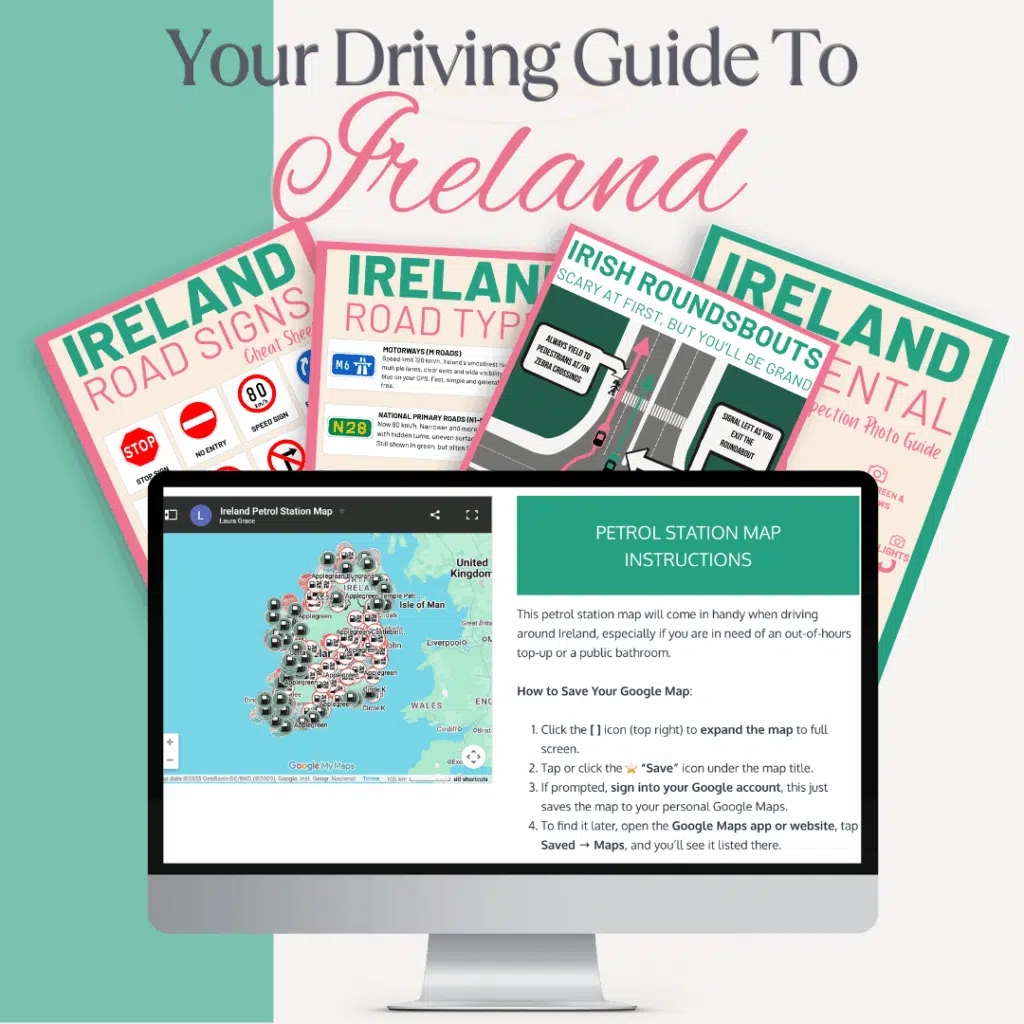
Feeling nervous about driving in Ireland? You’re not the only one… and you don’t have to figure it out alone.
The Ireland Driving Toolkit is a practical guide with clear local advice and no guesswork.
✔️ Custom Google Maps with petrol stations and toll roads mapped out.
✔️ Cheat sheets for roundabouts, road signs and km to miles.
✔️ Straightforward tips on tolls, navigation and what to expect on different road types.
Plus, the small local details most guides skip, but make all the difference once you’re here.
A Simple One-Week Ireland Packing List
These are the Ireland packing essentials I’d start with for a typical week-long trip, then adjust slightly depending on the season and what you’ll actually be doing.
For a longer trip, I’d still start with roughly the same amount and plan to do a load of laundry rather than doubling everything.
Clothes
- 4 to 5 tops
- 1 to 2 jumpers or fleeces
- 2 to 3 pairs of trousers or jeans
- 1 lighter pair of trousers in warmer months
- 1 casual evening outfit
- 7 to 8 pairs of underwear
- 7 to 8 pairs of socks
- Pyjamas
- Hat, scarf and gloves if needed for the season
Shoes and weather gear
- Comfortable waterproof walking shoes
- One casual pair of shoes or trainers
- Proper waterproof jacket with a hood
- Waterproof trousers if spending lots of time outdoors
Everyday essentials
- Packable day bag
- Reusable water bottle
- Prescription medication
- Basic toiletries
- Sunscreen and lip balm
- Phone and charger
- Universal international travel adapter
- Small power bank
- Passport and travel documents
For most people, that is a very solid starting point.
You can add specialist items for hiking, driving or winter travel, but I would resist filling every spare corner of your suitcase with things you might need. Ireland has shops too, I promise.
Final Packing Check Before You Leave
Before you finish packing for Ireland, I’d do one last check for the things that are hardest to fix once you’ve left home.
Ask yourself whether you have something for rain, something warm, comfortable shoes, the correct adapter and anything that would be difficult to replace once you arrive.
Think of this as the last part of your Ireland packing checklist, rather than another excuse to add five more ‘just in case’ items.
Final Ireland packing check
- Waterproof jacket with a hood
- Comfortable, broken-in shoes
- Warm layer
- Clothes you can mix and match
- Universal international travel adapter
- Phone charger and power bank
- Prescription medication
- Passport and important travel documents
- Appropriate extras for hiking, driving or the season
- Enough room left for anything you might buy in Ireland
And if you are still staring at the suitcase wondering whether you have forgotten something, that is exactly why I created my Ireland Packing Checklist.
It gives you a proper tick-through version of everything you need, including the 3-layer outfit formula, seasonal and trip-style add-ons, a packing progress tracker and a last-minute airport check.
The weather may still act the maggot while you are here, but at least your suitcase will make sense.
Yes. Jeans are completely normal in Ireland and work well for sightseeing, pubs and casual dinners. Just remember that wet denim takes a while to dry, so I wouldn’t rely on jeans alone if you’re spending a lot of time outdoors.
Yes, particularly if you’re visiting for a week or so and are happy to repeat layers. Limiting bulky clothes and extra shoes makes a much bigger difference than cutting practical things like your waterproof jacket.
Not for every trip. Comfortable waterproof walking shoes are enough for cities, viewpoints and easier walks, but I’d bring proper hiking boots with good grip if you’re planning mountain or boggy trails.
Not everyone needs them, but I recommend a lightweight pair if you’ll be hiking, walking outdoors for long periods or visiting exposed areas. They take up very little space and can save you spending half the day in wet trousers.
Ireland uses Type G plugs with three rectangular pins. A universal adapter is handy, especially if you travel regularly, but remember that an adapter changes the plug connection, not the voltage.