

How to use public transport in Dublin as a tourist? (A Local’s Breakdown)
Ireland Travel Planning uses affiliate links, including Amazon Associates. If you buy through these links, I may earn a small commission at no extra cost to you. I use a mix of my own photos and paid stock images across the site. (Disclosure Policy)
Visiting Dublin for the first time can be a bit confusing when it comes to public transport. Between Dublin Bus, the LUAS, the DART, LEAP Cards and different payment options, it's easy to feel like you're missing something.
The good news is that once you know how the system works, getting around Dublin is actually straightforward. I'll show you the easiest way to pay for public transport, how to use each service, and a few local tips that'll save you money and confusion.
A Simple Breakdown on using Public transport in Dublin as a tourist
The easiest way for tourists to use public transport in Dublin is with a standard LEAP Card.
It works on Dublin Bus, the LUAS and the DART, gives you cheaper fares than buying individual tickets, includes the 90-minute fare, and automatically caps your daily and weekly spending.
QUICK TIPS for IRELAND
AVOID HIGH ROAMING CHARGES
Airalo eSIMs work seamlessly across Ireland with quick, affordable data plans. Use code IRELAND10 for 10% off your plan (ROI Deals & ROI & NI Plans)
AIRPORT TRANSFER MADE EASY
Welcome Pickups is my go-to for reliable rides from the airport straight to your accommodation. I'd advise booking in advance for peace of mind.
DISCOVER UNIQUE activities
Check out GetYourGuide & Viator for unique things to do, like a DIY Claddagh Ring Workshop or a street food walking tour with a local.
DON’T SKIP INSURANCE!!
I can't stress this enough, but travel insurance is an absolute must! Thankfully, VisitorsCoverage is great for comparing affordable, trusted insurance plans to find one that actually suits your needs.
AVOID OVERPAYING FOR CAR RENTALS
Before booking your rental, I'd advise checking out comparison tools like DiscoverCars to ensure you're getting the best deal on the market.
NEED A LAST MINUTE PACKING FIX?
You'd be surprised how many visitors regret not packing waterproof trousers (like these) or a universal travel adapter (like this). That's why I created this Amazon essentials list for those last minute packing needs.

Local travel resources you might find handy
Before we dive in, a quick note. I’m Laura Grace, a local Irish travel expert, and if you’re planning a trip to Dublin, these guides will make the rest of your visit much easier.
- Unspoken Rules of Dublin – the small things locals don’t say out loud, but visitors really need to know.
- Two-Day Dublin Itinerary – how to see the city properly without rushing or cramming too much in.
- Free Things to Do in Dublin – simple ideas that actually fit around real sightseeing days.
- Packing for Ireland – what’s genuinely useful here, and what just takes up space in your suitcase.
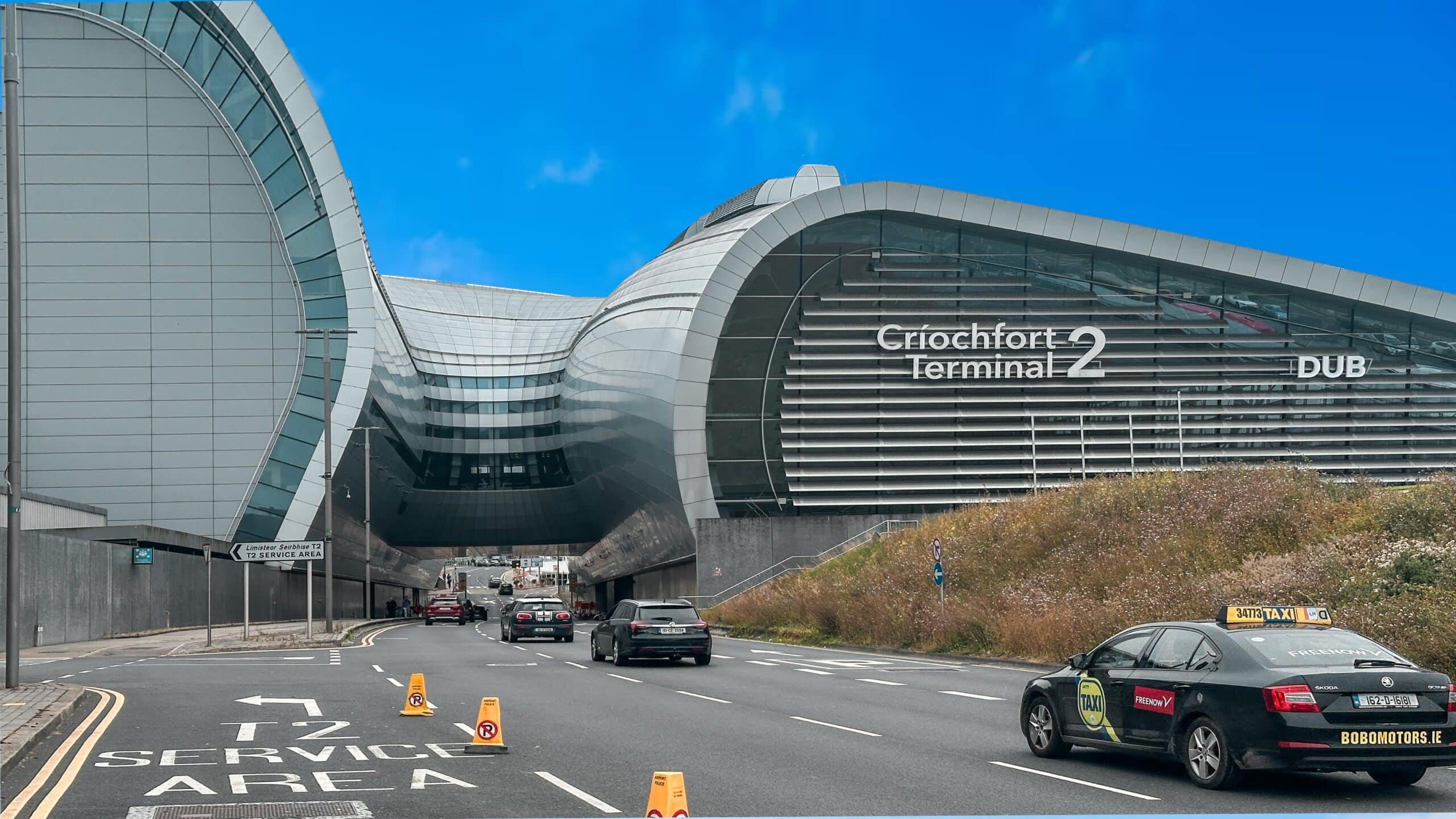
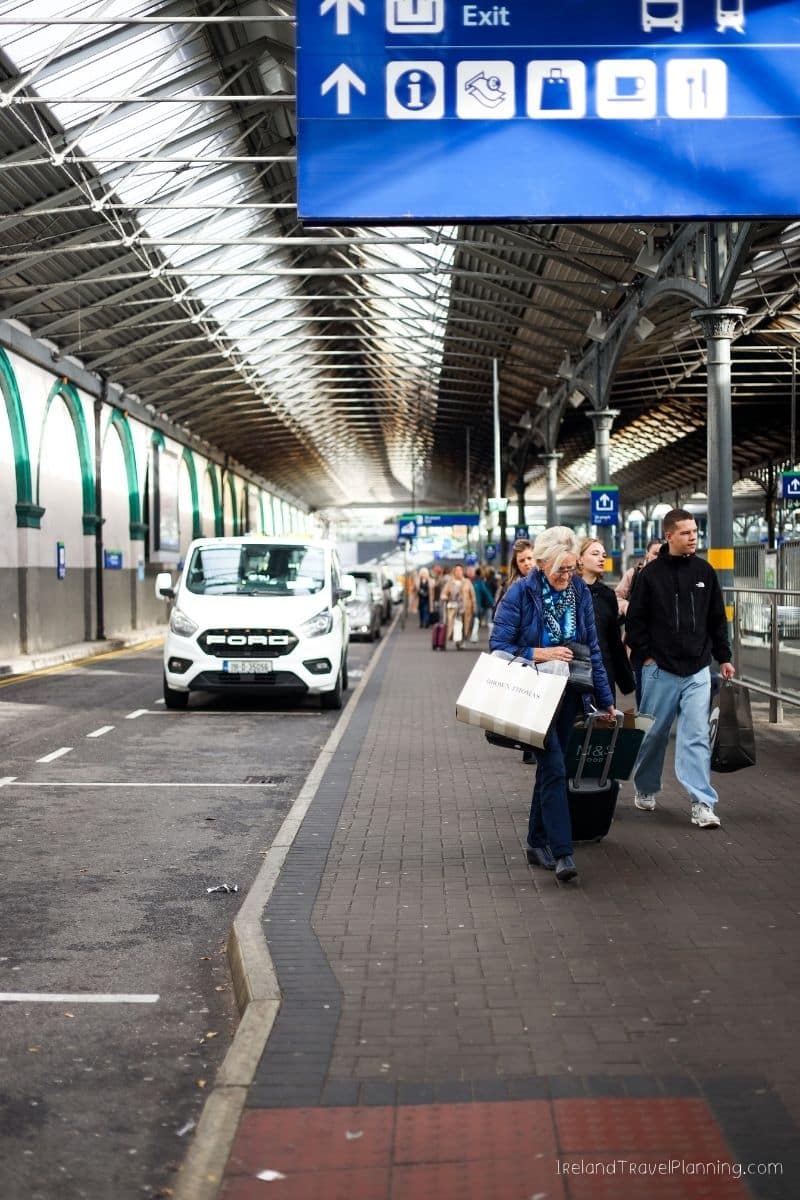
- Dublin Airport to the City – There are multiple ways to get to and from the airport, the best one is always dependent on your individual travel style.
- Dublin Public Transport Local Breakdown – You'd be surprised how many tourists end up feeling confused because the Dublin bus drove straight by them even though they were standing at the bus stop.
They’re all written with first-time visitors in mind, and they pair nicely with exploring Dublin beyond the obvious spots.
Or alternatively, you can check out my Free Ireland Resource Library if you’d like to dig deeper after this post.


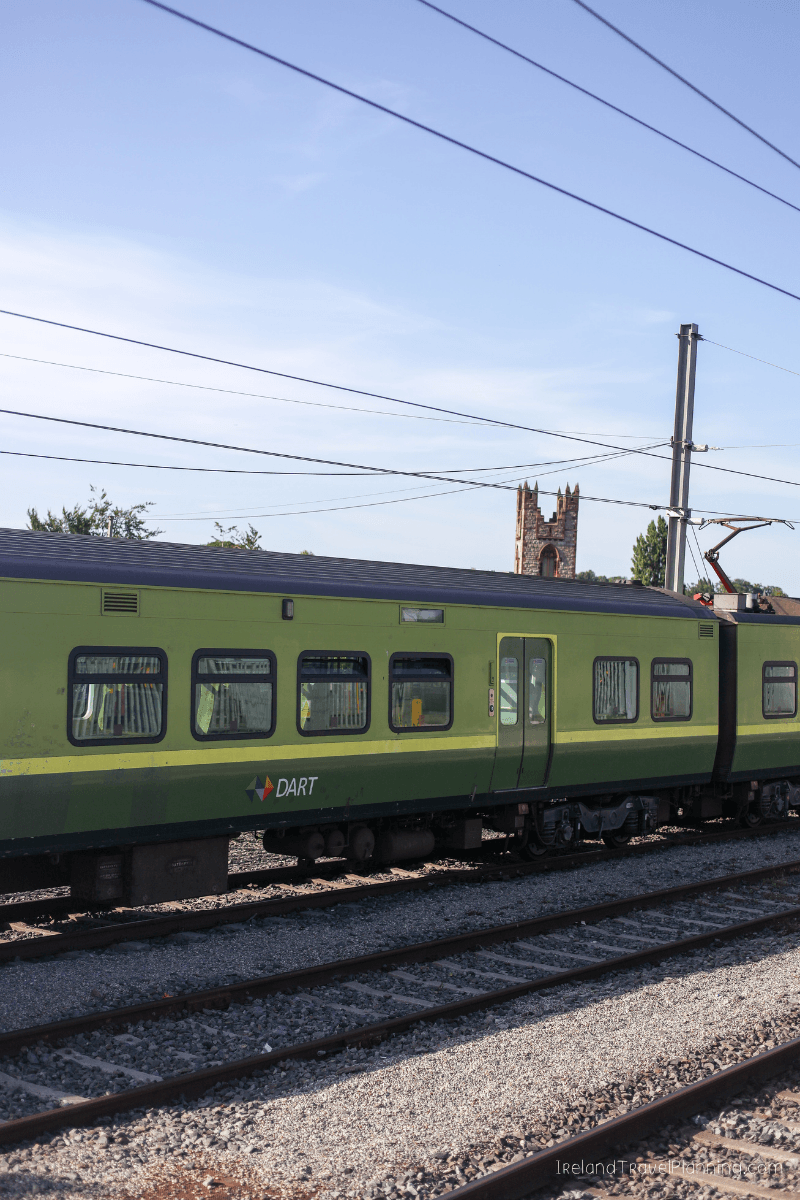
Public Transport Options in Dublin: Understanding the Dublin Transport System
There are three main types of public transport in Dublin: the DART, the LUAS, and Dublin Bus. Together they make up Dublin's public transport system for both locals and visitors.
The DART
Is a train system that connects the city with coastal areas such as Howth, Dun Laoghaire, and Bray. These towns are popular for day trips, and the DART is the most convenient way to reach them.
My favorite being a trip out of Howth. One experience a lot of people don’t realise they can do there is a boat trip around Ireland’s Eye, which gives you a completely different view of the coastline.
Or you can simply spend a lovely evening out by the coast, admiring a not-so-visited side of Dublin.
Dublin Bus
Is the city’s primary public transport service, offering routes to most tourist attractions, suburban areas and Dublin Airport. Whether you’re staying in the heart of the city or exploring beyond, there are plenty of routes to choose from.
If you're trying to squeeze Dublin's highlights into a one-day itinerary, knowing which buses and LUAS stops serve the main attractions can save a surprising amount of walking.


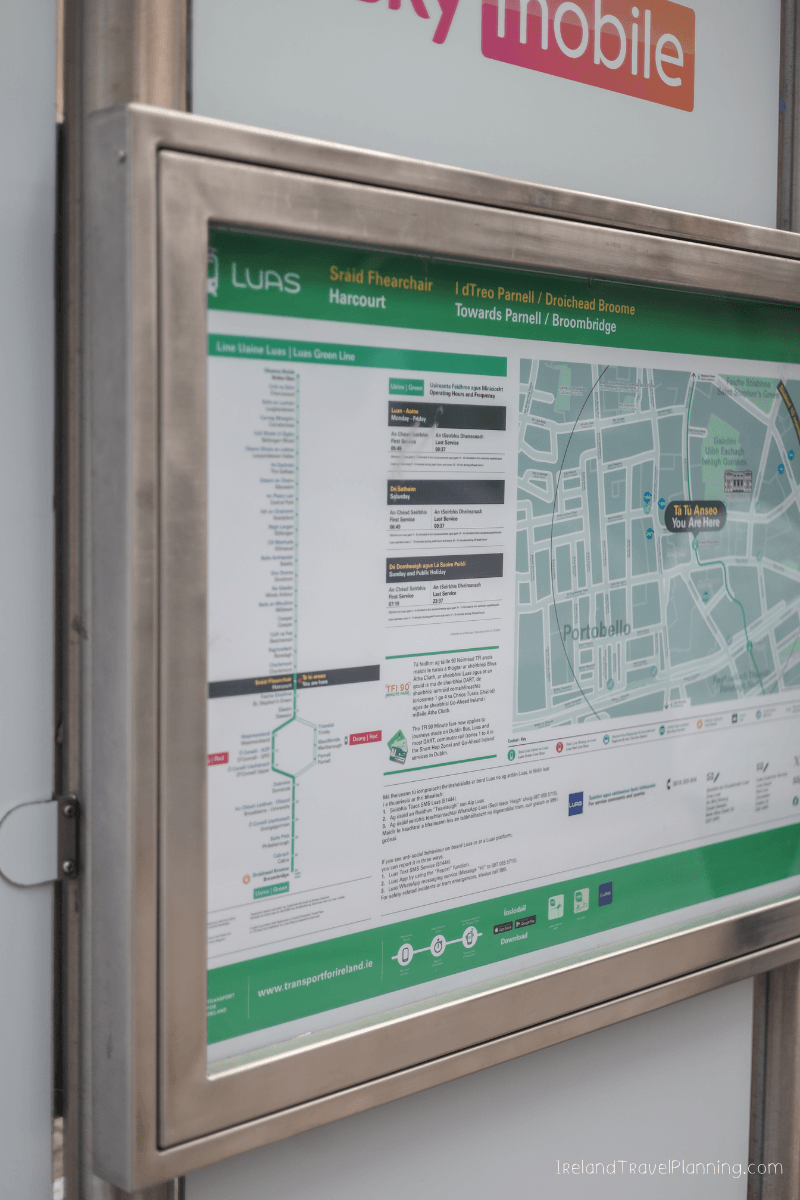

The LUAS
Dublin’s tram system is a great alternative to an underground subway. It has two lines:
- The Green Line, which runs north to south through the city, connecting places like St Stephen's Green, Dundrum and Brides Glen.
- The Red Line, which runs east to west, serving Heuston Station, Busáras, Connolly and The Point.
Both are easy to use and clearly signposted, so don't let the different lines put you off.
Or, if you are….
Arriving after a long flight, travelling with children, or landing late at night, there's absolutely nothing wrong with skipping public transport on day one.
A pre-booked airport transfer can make that first journey into the city a lot less stressful. I usually go with Welcome Pickups when abroad. And it saves you having to tackle Dublin's transport system the moment you arrive.
Feeling like there's a lot to remember?
That's exactly why I created my Dublin App.
Instead of bookmarking ten different websites, it puts the practical side of Dublin in one place, including transport, airport transfers, attractions, public toilets, pharmacies, supermarkets, safety information and plenty of local tips I wish more visitors knew before arriving.
It's basically the city in your pocket, and makes exploring Dublin far less overwhelming.
Avoid only visiting the same generic locations seen in every Ireland Travel guide…
Instead, spice up your itinerary with local hidden gems, lesser-known spots, and pull-ins that most drive past.
Sign up below for free access to my hand-picked Google Map Pins.
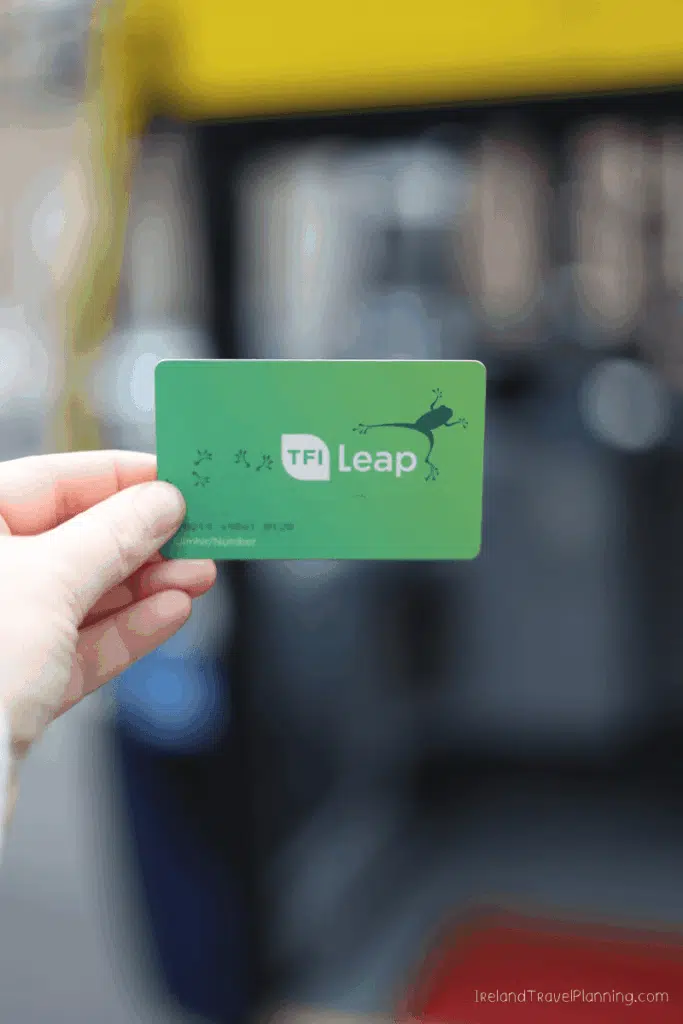
LEAP Card: Your Key to Easy Travel
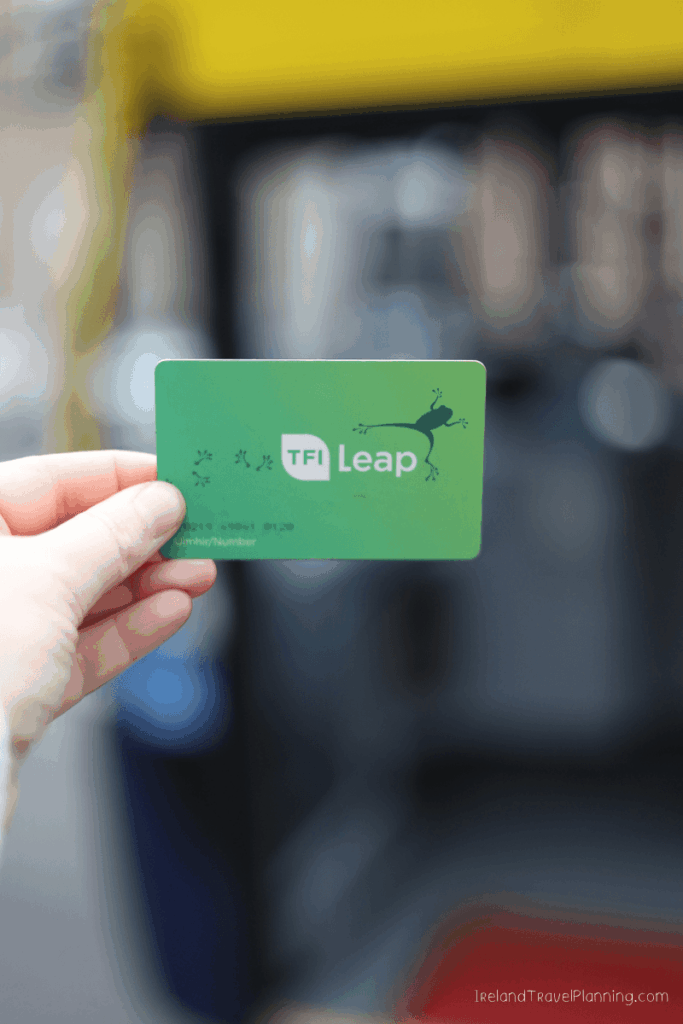
Before diving into how to use each mode of transport, let’s talk about the LEAP Card, a handy smart card that works across all three transport types.
If you're only taking one or two journeys, buying individual tickets is perfectly fine. But if you're planning to explore Dublin for the day or a few, the standard LEAP Card is almost always the better option.
It automatically gives you cheaper fares, includes the 90-minute fare, and once you reach the daily cap you won't pay any more for additional journeys.
The LEAP Card can be used across Dublin's public transport network, as well as in many other major cities and towns throughout Ireland.
Getting a LEAP Card is one of the easiest ways to use public transport in Dublin. It's the payment option I recommend to most tourists because it's cheaper and far less hassle than buying individual tickets.
I also explain exactly how the LEAP Card works inside my Dublin App, along with the easiest ways to get around the city depending on where you're staying, so you don't have to keep piecing information together from different websites.
Where to Get a LEAP Card
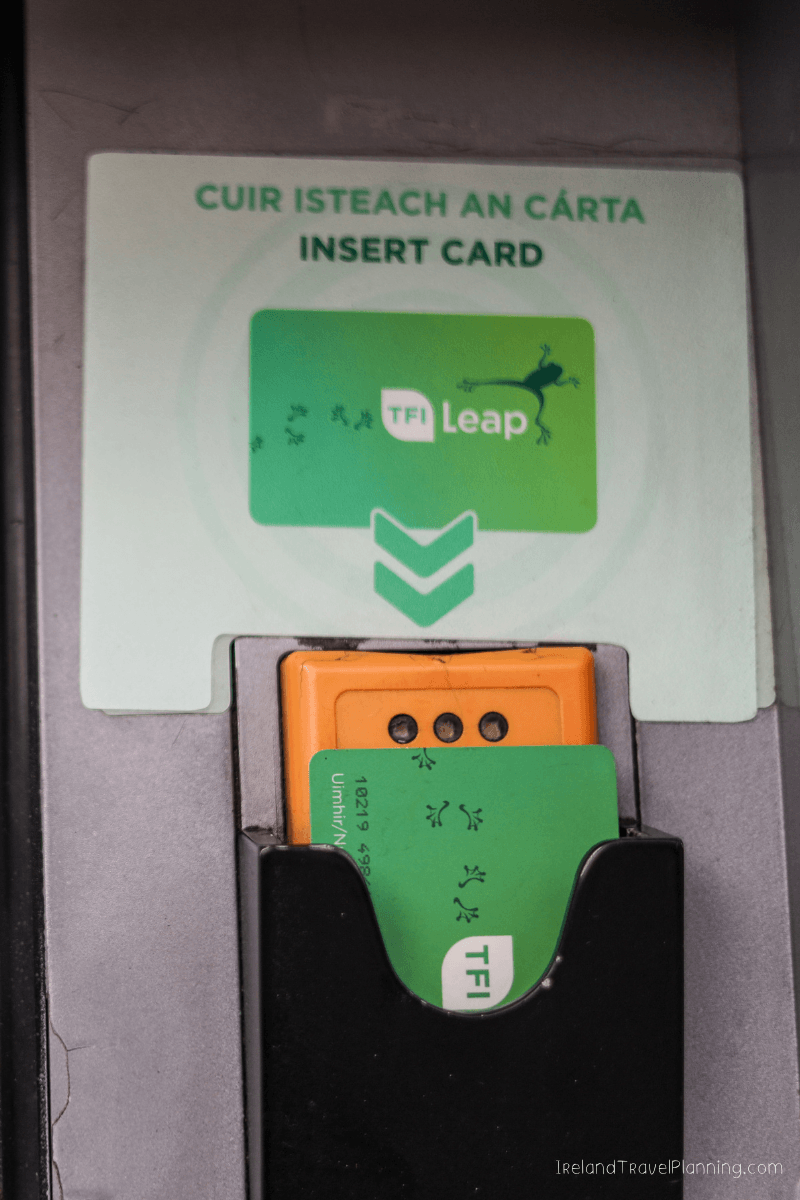
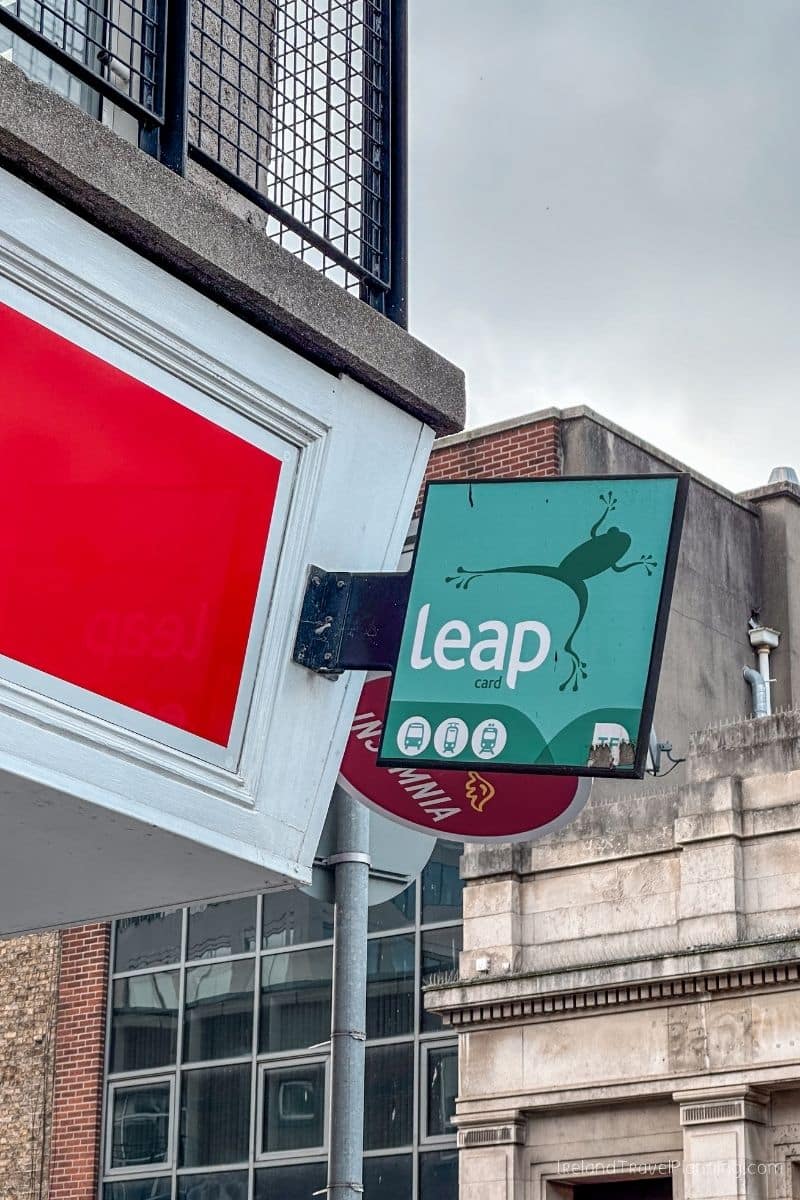
The easiest way to get one is from convenience stores such as SPAR, Centra and many newsagents.
Most have a LEAP Card sign in the window, and you can also check the LEAP website for nearby retailers.
Topping Up On the Go
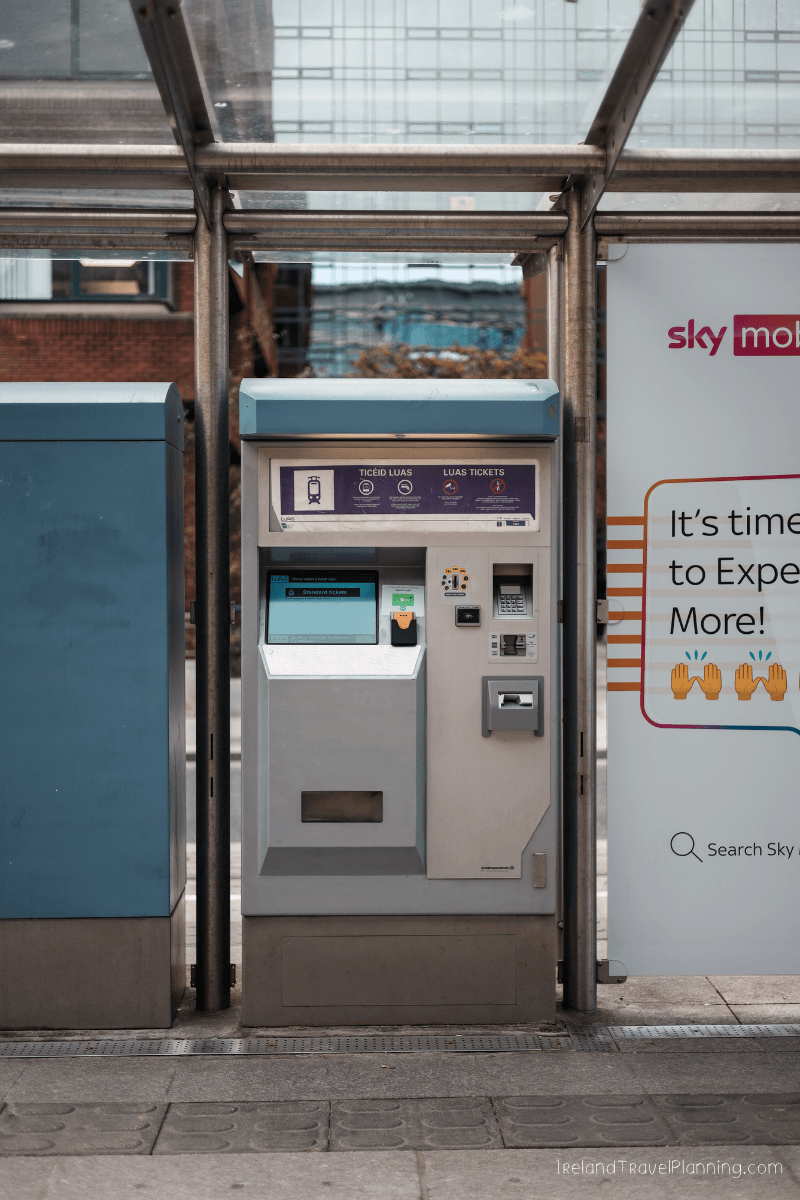
If you find yourself running low on credit, you can top up your LEAP Card using the LEAP app on your phone, in Newsagents or at ticket machines found at LUAS stops and many DART stations.
Can I just tap my bank card?
This catches a lot of visitors out. Unlike cities such as London, you can't simply tap your debit or credit card on Dublin Bus, the LUAS or the DART and expect the cheapest fare. You'll either need a LEAP Card or buy an individual ticket, depending on the service you're using.
Cost and Top-Up Options
A LEAP Card costs €5, and I suggest topping it up with €10 or €20, depending on how long you’ll be in the city. You can also order a LEAP Card online ahead of time and have it delivered, which saves you the hassle of finding one when you arrive.
Explore Dublin
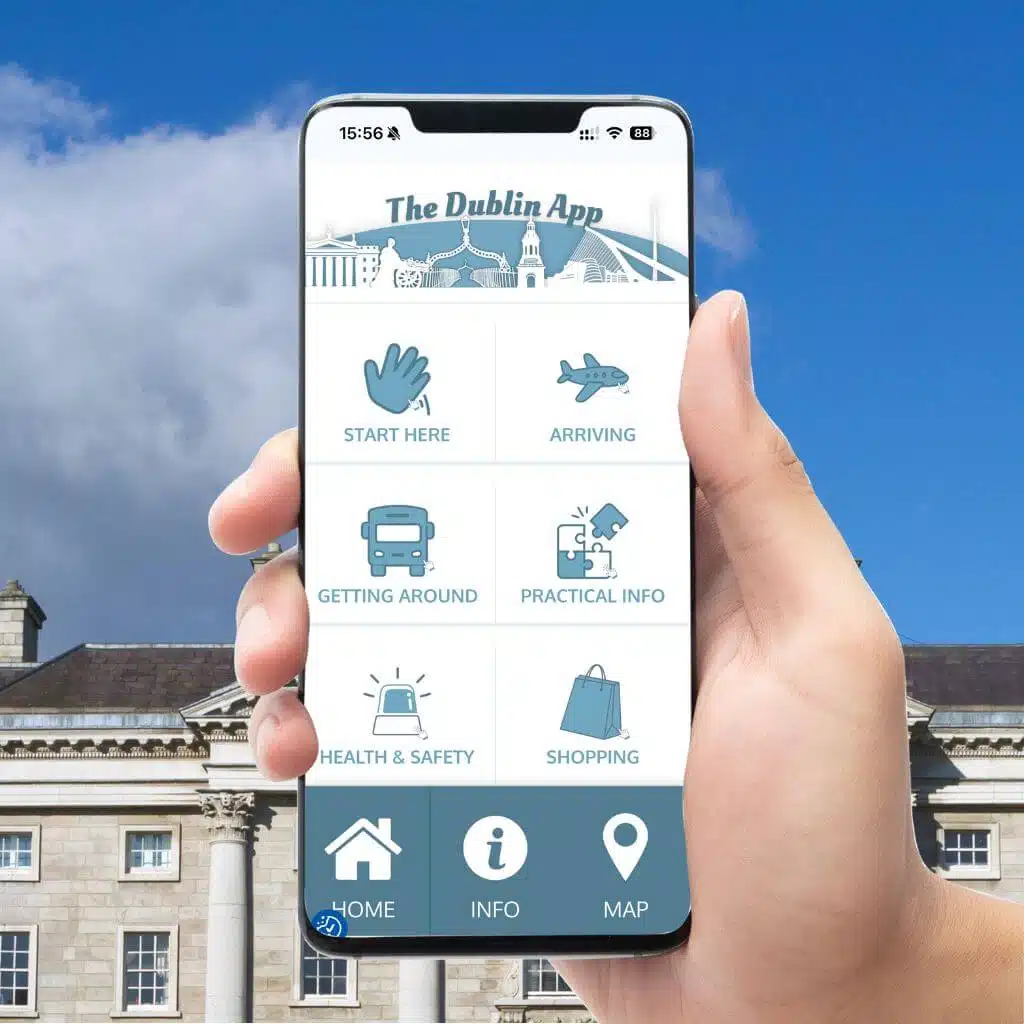
Arriving in Dublin and not sure where to start? It’s the small, practical things that tend to catch people out. The Dublin App is designed to give you clear, easy access to the information you actually need, all in one place.
✔️ A live location map showing key locations across the city
✔️ Practical information like ATMs, public restrooms & pharmacies
✔️ How to and from the airport and using public transport
✔️ Quick access to booking links & resources on the go
It’s everything you don’t realise you need… until you’re standing in the middle of the city trying to figure it out.
Benefits of Using the LEAP Card
One of the biggest advantages of the LEAP Card is that you don't need to buy individual tickets for every journey.
Simply tap your card on the validator when you start your journey and, where required, tap again when you finish.
You won’t need to worry about purchasing individual tickets each time you ride.
Daily Fare Cap
LEAP users benefit from fare caps. For example, the most an adult can pay in a single day is €8.
Once you reach the daily fare cap, you can continue travelling for the rest of the day without paying any extra.
Just remember to keep tapping on and off where required so you still have a valid ‘ticket'.

TFI 90-Minute Fare
With the LEAP Card, you can travel across as many Dublin Buses, LUAS trams, or DART trains as you like within a 90-minute period for just €2.
Tourist LEAP Card
You'll probably come across the Tourist LEAP Card while researching your trip.
Personally, I'd skip the Tourist LEAP Card unless you've already worked out you'll be using public transport constantly every day.
Most visitors don't end up spending enough to justify it because the standard LEAP Card's fare caps already keep costs surprisingly low.
The standard LEAP Card is easy to top up, works beyond Dublin, and it's much easier to buy.
Now, this does come down to your own personal travel style, so it could be worth weighing up the pros and cons of both.
🚨 DON'T SKIP INSURANCE: I can't stress this enough, but travel insurance is an absolute must! Thankfully, VisitorCoverage is a great tool when comparing affordable plan options.

How the capped system works
Daily Caps
Start at 4:30 AM and reset at 4:29 AM the next day.
Weekly Caps
Run from 4:30 AM on Monday to 4:29 AM the following Monday. Any amounts spent do not carry over after the reset. Even after hitting the cap, continue to touch on and off as usual to ensure your trips are registere, but you won’t be charged further travel credit.
TFI 90 Minute Fare
Lets you travel across multiple Dublin transport services (bus, LUAS & most DART routes) for up to 90 minutes at a single flat fare with fares for Adults being €2, Young Adults (19–25)/Students €1 and Children €0.65.
Multi-Services Fare Caps (At the time of writing, Feb 2026):
| Service | Passenger Type | Daily Cap | Weekly Cap (Mon-Sun) |
|---|---|---|---|
| Multi-Services | Adult | €6.00 | €24.00 |
| Young Adult/Student | €3.00 | €12.00 | |
| Child | €1.95 | €7.80 |
❌ AVOID EXPENSIVE ROAMING CHARGES: An affordable eSIM plan is the perfect solution! Airalo eSIMs work seamlessly across Ireland with their quick, easy and affordable plans use the code IRELAND10 for 10% off. (ROI Deals & ROI & NI Plans)


Using the DART
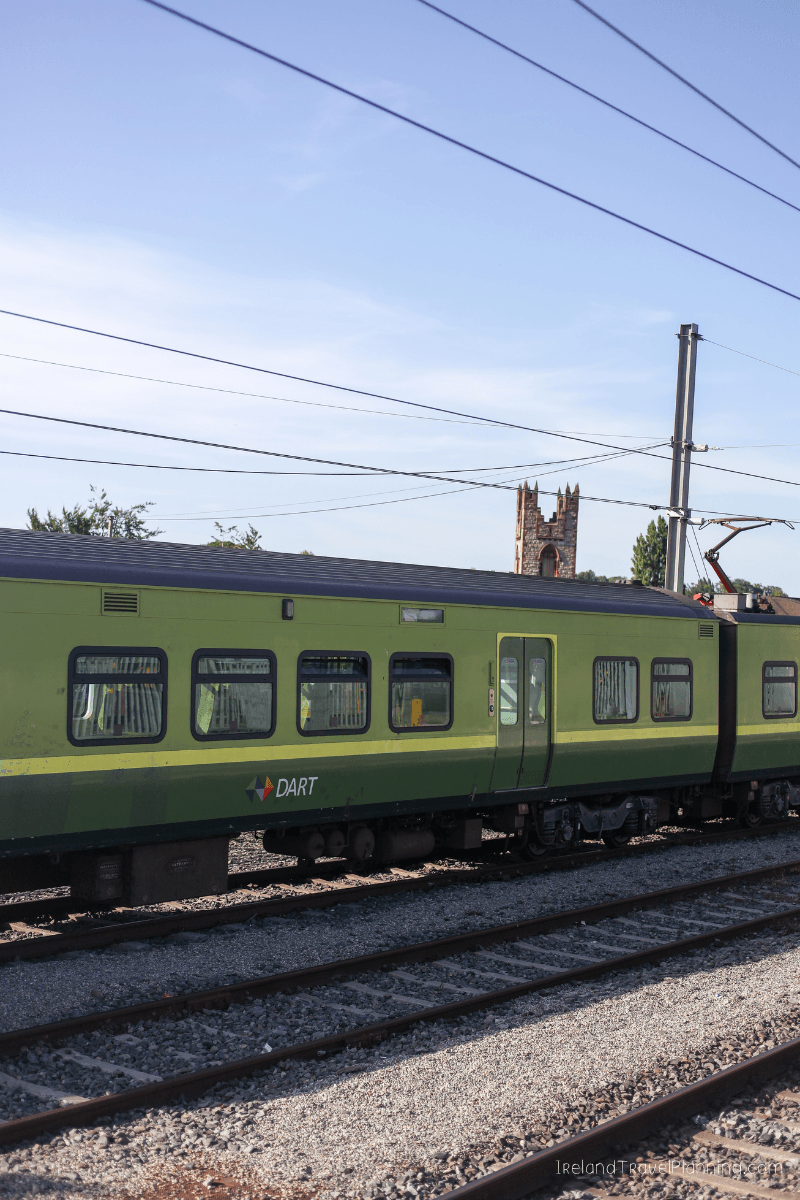
The DART serves Dublin’s coastal areas. It’s easy to use, with a few ticketing options:
Tickets
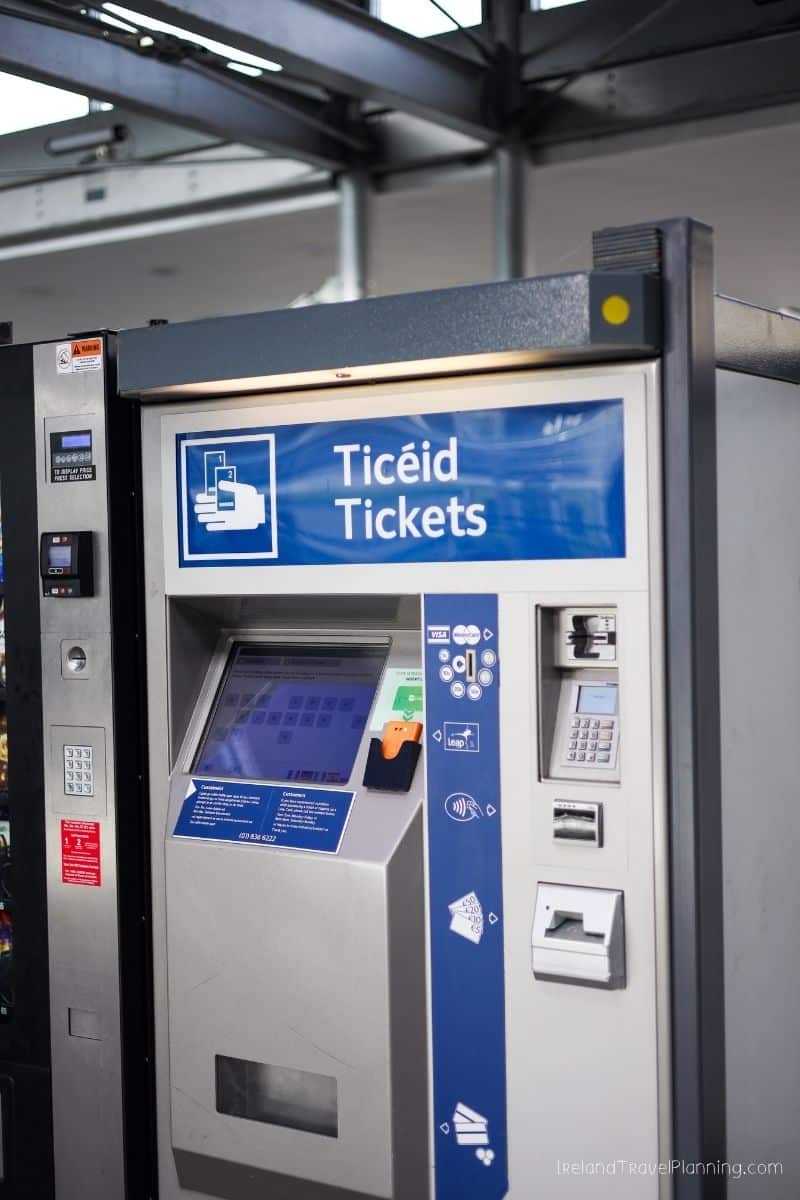
You can buy tickets at self-service machines or ticket offices in larger stations. The machines accept both cash and card, and you’ll be prompted to select your ticket type (adult, child, return, single, and your destination).
Using the LEAP Card
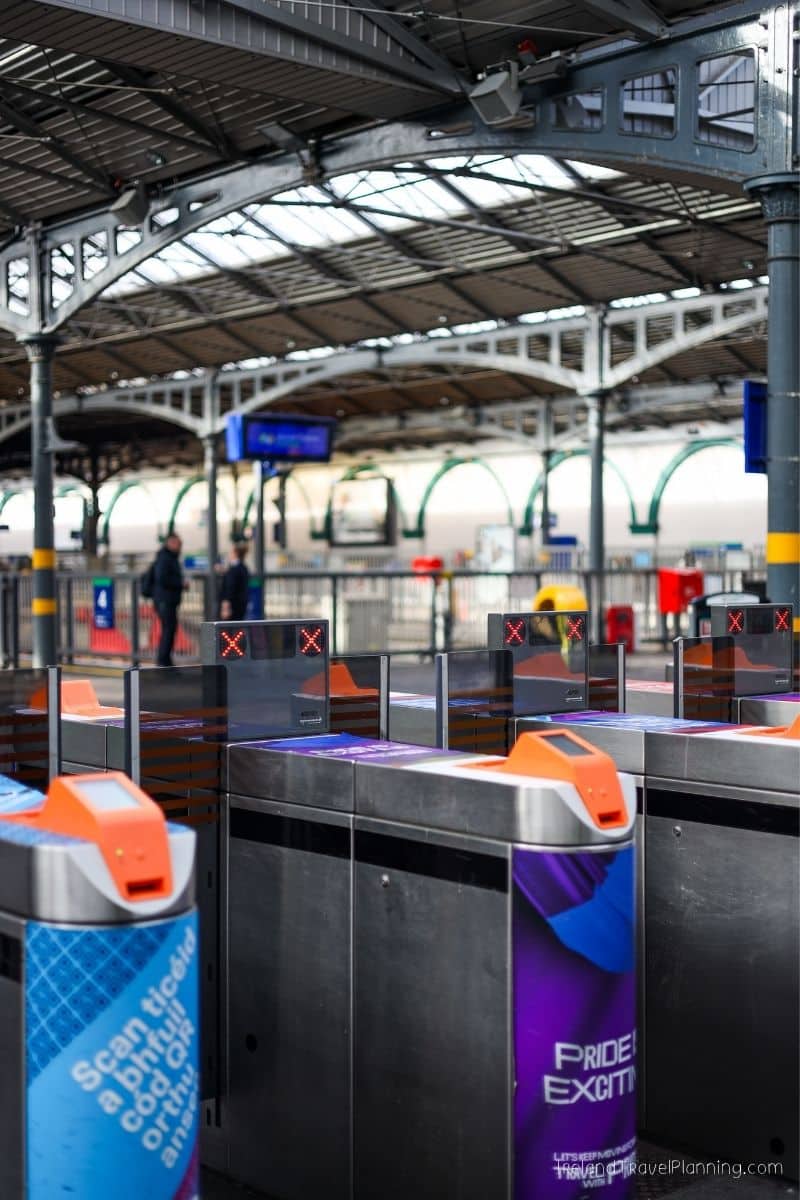
If you're using a LEAP Card, tap it on the barriers when entering and leaving the station. Even if the gates are already open, make sure you still tap your card so you're charged the correct fare.
Finding Your Train
In larger stations like Connolly, a screen will display which platform your DART is leaving from. Once on board, seats are unassigned, and each stop is announced in both English and Irish.



How to use Dublin Bus
If you're a tourist using Dublin Bus for the first time, there are a few things worth knowing before hopping on. Once you've done it once or twice, it's actually a very straightforward way to get around Dublin.
Flagging the Bus
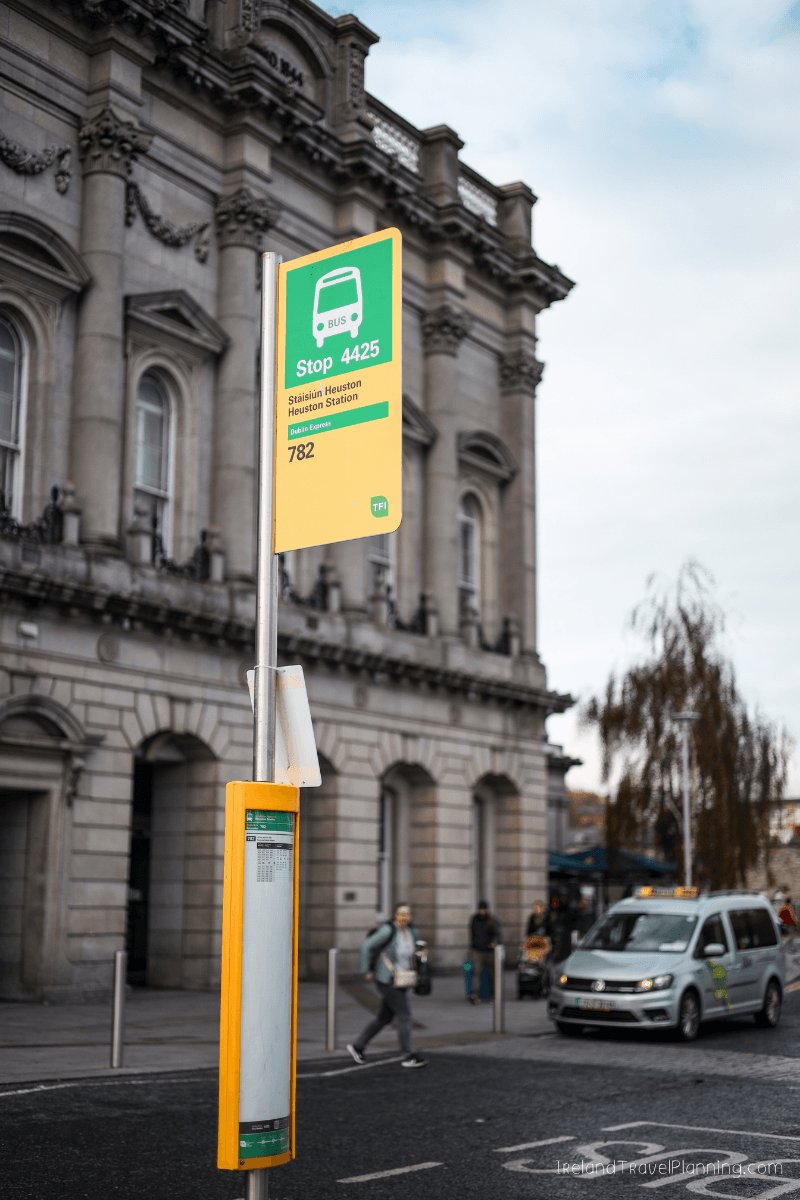
Standing quietly at the stop and assuming the driver will stop automatically is one of those little mistakes first-time visitors make all the time.
You’ll need to flag it down by putting your hand out as it approaches, or it will drive right past you! And you'll be left there standing, scratching your head, completely confused.
We've all been there. It's not a fun experience, especially when you have somewhere to be.
Digital Displays
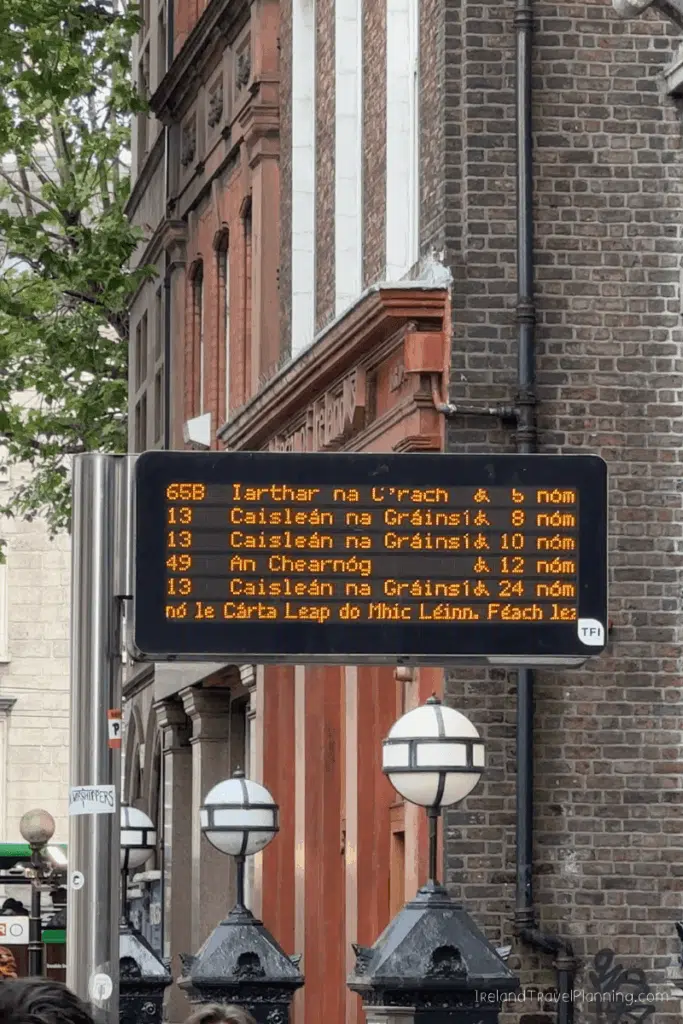
Many Dublin Bus stops have live departure screens showing when the next bus is due.
They're really handy, although Dublin Bus timings can occasionally be… optimistic.
Don't be surprised if a bus suddenly disappears from the display. It happens more often than we'd like. Locals call them ‘ghost' buses.
The LUAS tends to be a little more reliable.
How to Pay for Dublin Bus:
You can still pay cash on Dublin Bus, but there are a few catches. You must use the exact fare in coins because drivers don't accept notes or give change.
For most visitors, using a LEAP Card is much easier and usually works out cheaper.
You can either pay with exact change in coins (no notes or change is given) or use your LEAP Card. It's surprisingly one of the few places in Ireland where cash is still needed.
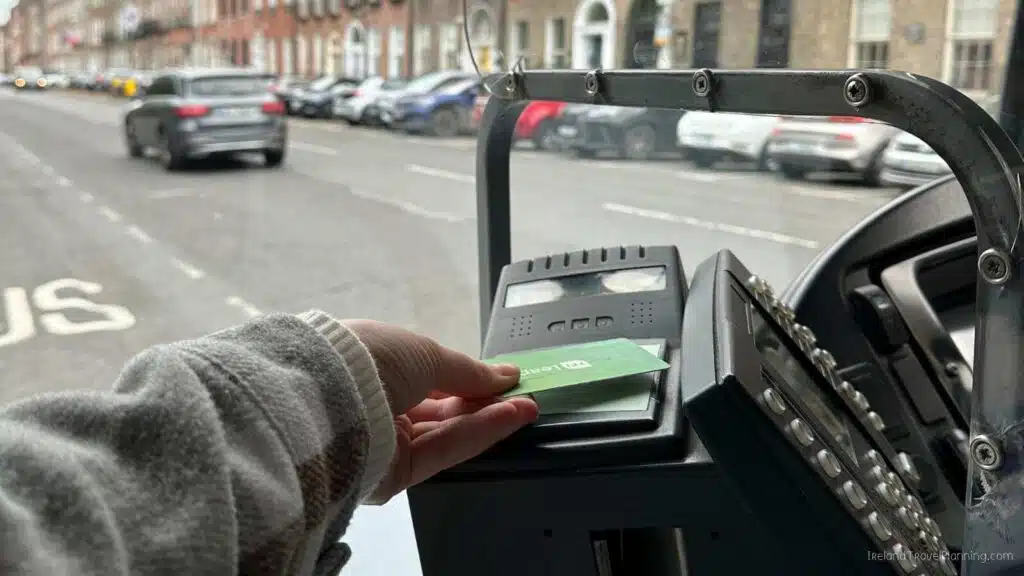
There are two LEAP validators on most Dublin Buses.
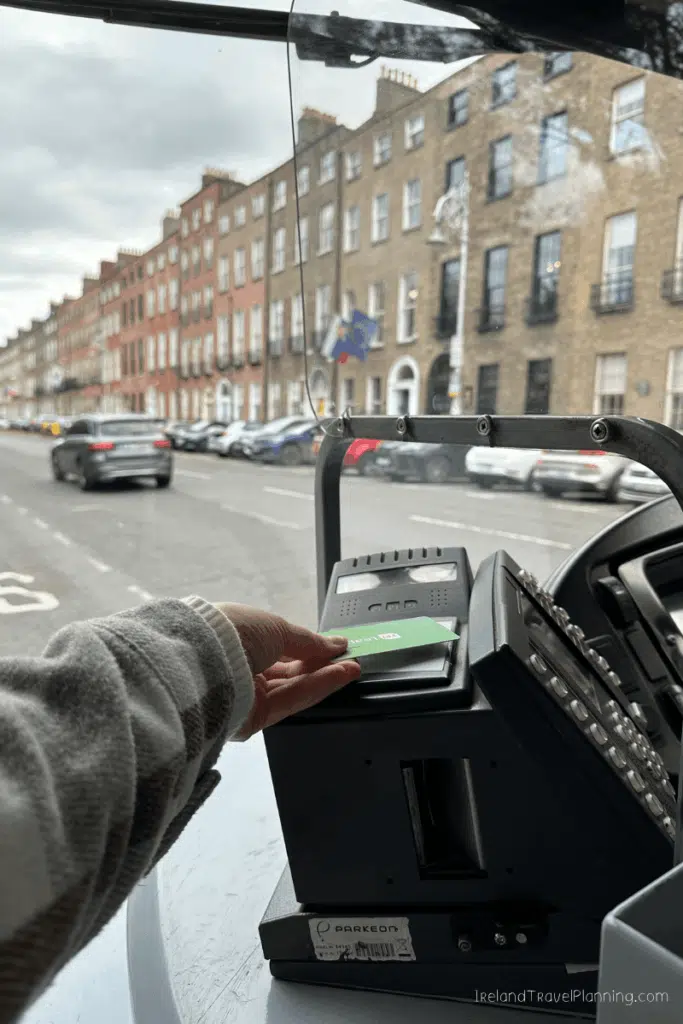
The first is beside the driver. This is used if you're taking a shorter journey and want to pay the cheaper short fare.
Simply tell the driver where you're travelling, then tap your LEAP Card on the validator beside them.
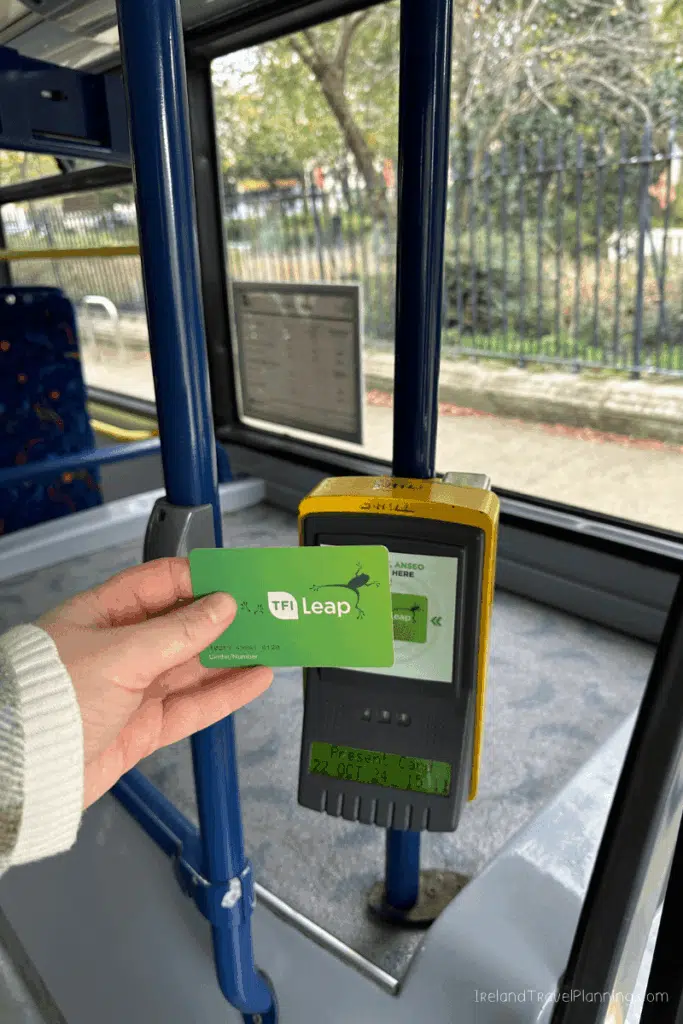
If you're making a standard journey using the TFI 90 Minute Fare, use the validator on the right-hand side as you board the bus.
Simply tap your LEAP Card as you get on. Unlike the DART or LUAS, you don't need to tap off when you leave the bus.
If you're unsure, just ask the driver. They're used to helping visitors.
Getting Off the Bus
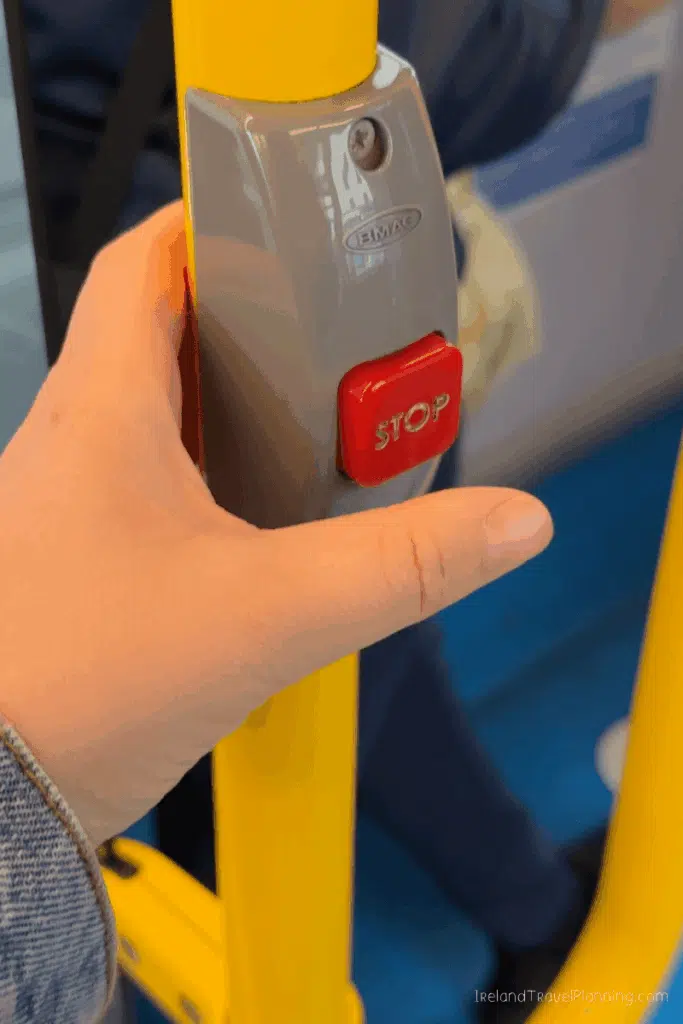
Stops are announced in both English and Irish. When you want to get off, press the red stop button, and the bus will pull over at the next stop.
Most passengers exit through the back door, and it’s common to thank the driver as you leave.
There is no need to tap off the bus, as the fare is automatically charged when you tap on.
Explore Dublin
Arriving in Dublin and not sure where to start? It’s the small, practical things that tend to catch people out. The Dublin App is designed to give you clear, easy access to the information you actually need, all in one place.
✔️ A live location map showing key locations across the city
✔️ Practical information like ATMs, public restrooms & pharmacies
✔️ How to and from the airport and using public transport
✔️ Quick access to booking links & resources on the go
It’s everything you don’t realise you need… until you’re standing in the middle of the city trying to figure it out.
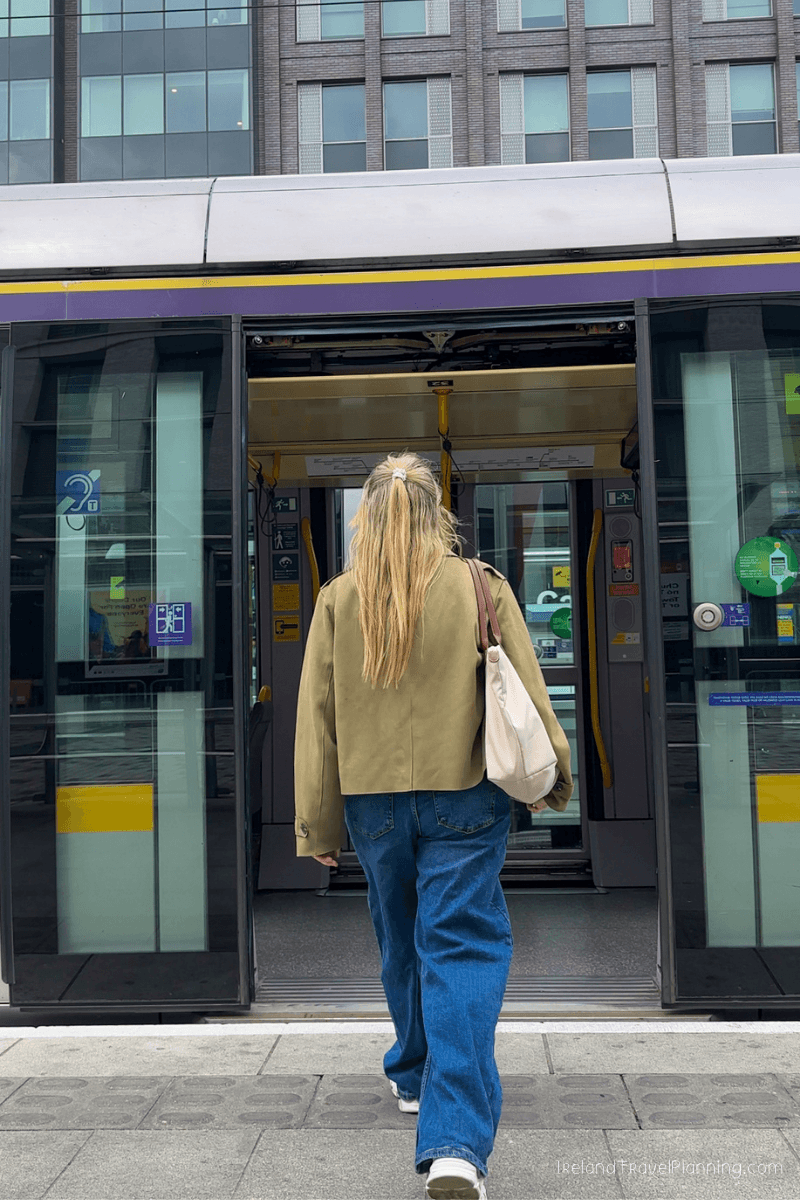
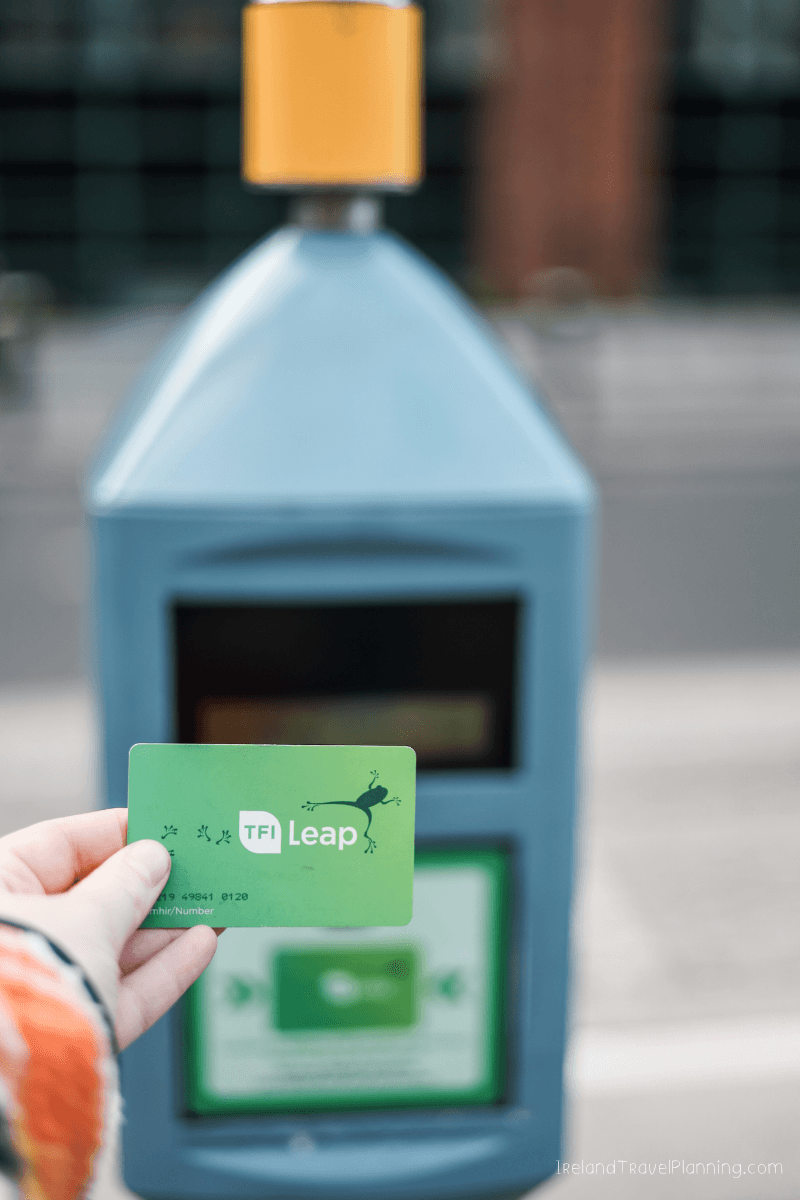



Navigating the LUAS
The LUAS is a quick and convenient way to get around Dublin, especially during busy periods.
Tickets and Payments
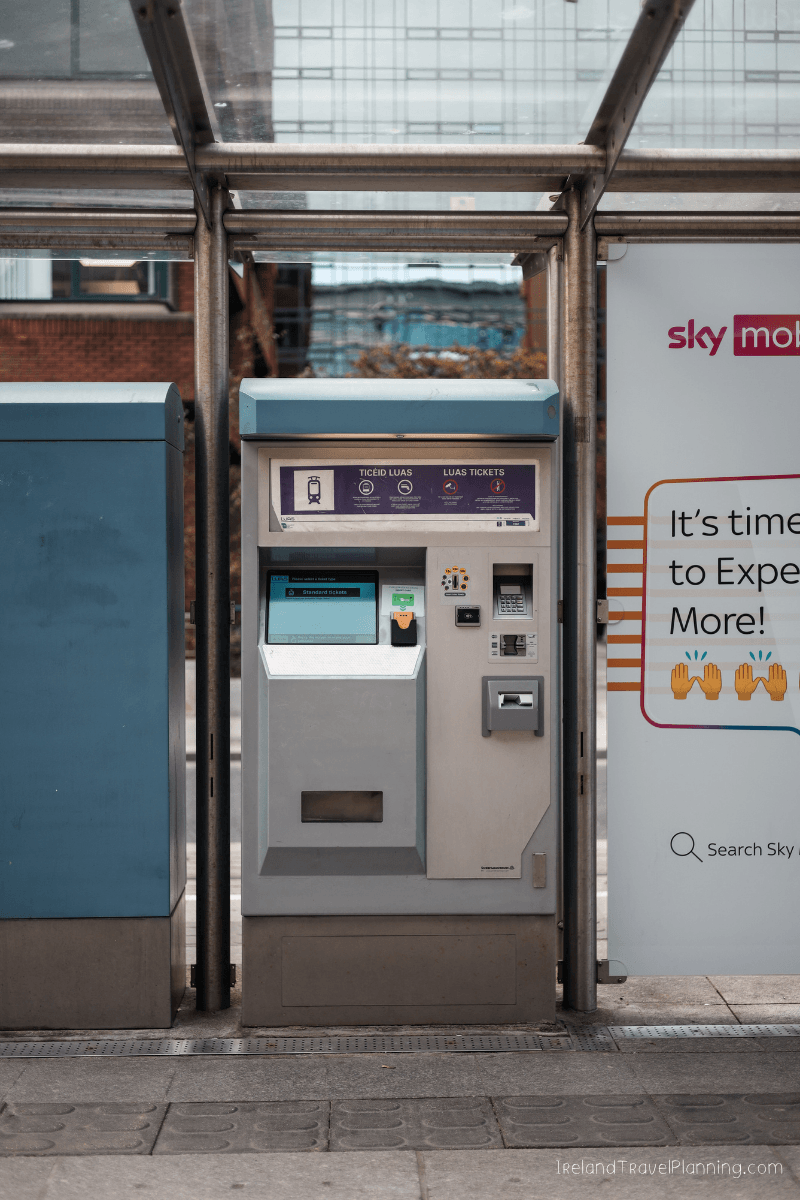
Like the DART, the LUAS has self-service ticket machines that accept cash and card payments. You can also top up your LEAP Card at these machines.
Using the LEAP Card
Before boarding, tap your LEAP Card against one of the yellow validators on the platform. Unlike the DART, there are no barriers.
When you reach your destination, remember to tap off again before leaving the platform so you're charged the correct fare.
Finding Your Stop
Each stop is announced in both English and Irish and displayed on a screen inside the tram. There’s a route map above the doors, which is handy for ensuring you’re headed in the right direction.
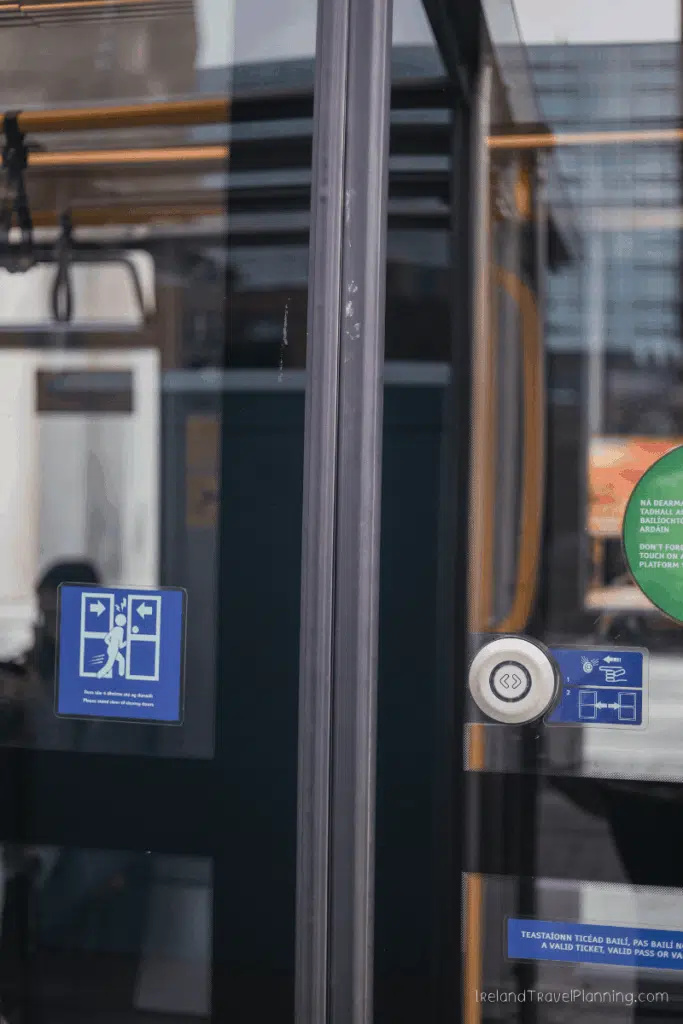
Opening the doors
The LUAS doors don't always open automatically. When the tram stops, simply press the illuminated button beside the door to open it.


Other Transport Options in Dublin
Taxis
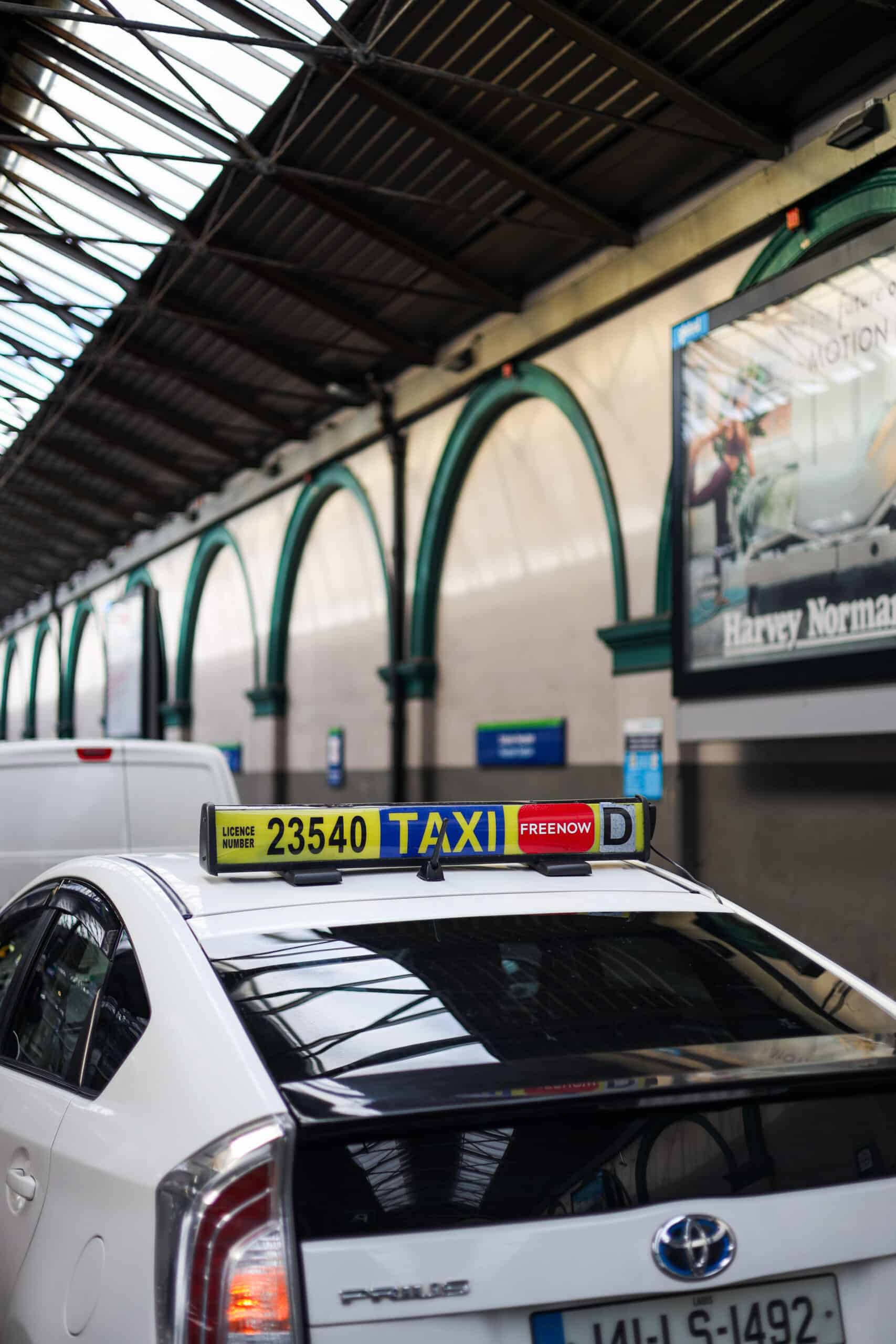
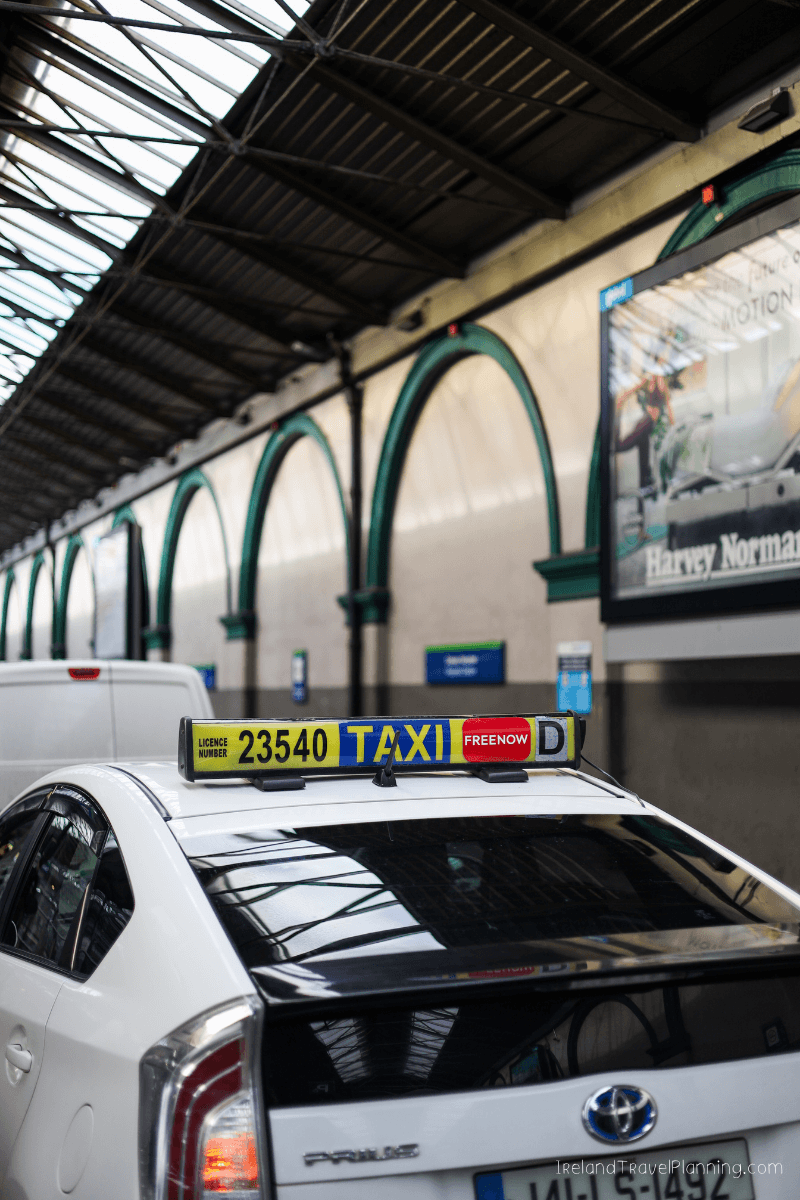
Taxis in Dublin can be expensive, but they’re sometimes necessary. To hail a taxi, you’ll need to put your arm out. If the taxi light is off, it’s already in service.
You can also use the FREE NOW app, which is the safest and most popular way to book a taxi in Dublin. All taxis are required to accept card payments.
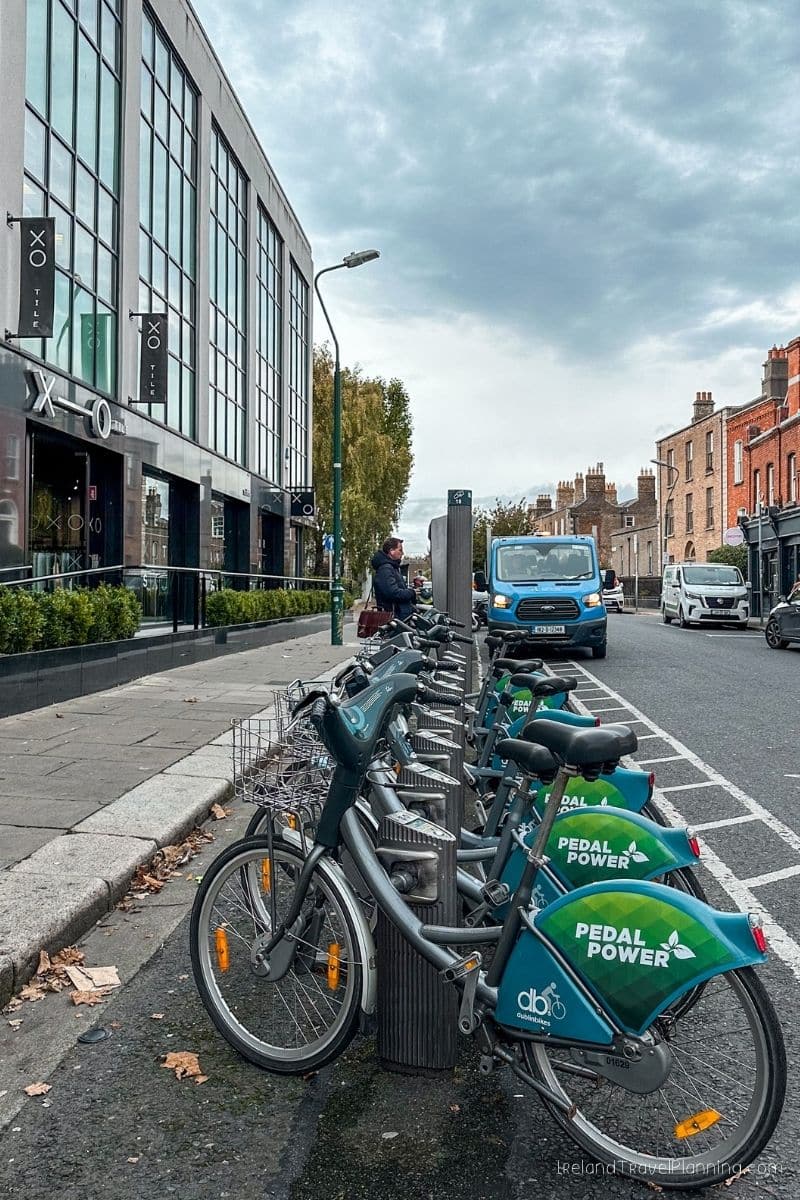
Dublin Bikes
With over 100 stations around the city, Dublin Bikes offers 30-minute rides for free, making it an affordable and quick way to get around. Everything is operated through a designated app.
Walking
While walking isn’t a transport option in the traditional sense, Dublin is a very walkable city. Most major attractions can be reached on foot within 20 to 30 minutes.
That also means many of Dublin's best free attractions and hidden gems are easy to combine into the same afternoon without constantly jumping back on public transport
I often recommend walking between attractions where possible and using public transport for longer journeys or when heading out to places like Howth or Dun Laoghaire.
And once you've got the practical bits figured out, it's a really easy place to enjoy. That's exactly what I designed the Dublin App for, helping you spend less time Googling and more time actually exploring.
Oh! And don't forget comfortable waterproof shoes and a lightweight rain jacket (like this one) make a much bigger difference than most people expect.
Dublin is incredibly walkable, but the weather can change quickly, so it's worth being prepared rather than cutting your day short because you're soaked.
If you're wondering what actually works in Irish weather, I've put together my go-to Ireland packing guide to make things a little easier. Or, my Amazon storefront is on hand for any last-minute bits.
Pack for Ireland
Never Wonder “Did I Forget Something?”
A printable Ireland packing guide created by a local, so you know exactly what to bring for Ireland.
✔ Complete packing checklist
✔ Seasonal additions
✔ Hiking & road trip essentials
✔ Local recommendations



Day Trip Options
For those wanting to take day trips outside of Dublin, there are two public transport options: Bus Éireann and Irish Rail. Bus Éireann departs from Busáras Station, while Irish Rail services leave from Connolly and Heuston Station.
However, if you’re short on time, or don't plan on renting a car, an organised tour may be a better option for visiting places like the Cliffs of Moher, Giant’s Causeway, or Wicklow National Park. I’ve linked some of the top tours below.
DISCOVER The BEST DAY TRIPS FROM DUBLIN
☘️ DISCOVER UNIQUE ACTIVITIES WHILE IN IRELAND: Check out GetYourGuide & Viator for unique things to do, like a DIY Claddagh Ring Workshop in Dublin or a street food walking tour with a local.




Practical Tips for Using Public Transport in Dublin
Using public transport is just one of those little things that becomes much easier once you understand how Ireland works a little differently.
Escalators
In Ireland, people don’t typically stand to one side on escalators. If you’re in a rush, don’t hesitate to ask the person in front to move.
Google Maps
Google Maps is an excellent tool for checking routes and transport times. Recently, live bus tracking has been added to some routes, which can be very useful.
You’ll need mobile data to use live directions while you’re out and about, so I’d sort an Airalo eSIM before arriving (use the code IRELAND10 for 10% off at checkout). It saves you relying on public Wi-Fi when you’re standing at a bus stop wondering whether the bus has vanished altogether.
Rush Hour
Be aware of rush hour in Dublin, which usually runs from 8:30 AM to 9:30 AM and 5 PM to 7 PM. During these times, buses may be full, and LUAS or DART services can get crowded.
Operation Hours
Most public transport services begin around 5am and continue until around midnight, although exact operating hours depend on the route. A handful of Dublin Bus routes operate 24 hours a day.
Accessibility
Both LUAS lines are wheelchair accessible, and Dublin Bus has wheelchair ramps, with drivers assisting as needed. For DART services, station accessibility can vary, so it's best to check the Irish Rail website ahead of time.
Avoid only visiting the same generic locations seen in every Ireland Travel guide…
Instead, spice up your itinerary with local hidden gems, lesser-known spots, and pull-ins that most drive past.
Sign up below for free access to my hand-picked Google Map Pins.
Yes. Unless you're only taking one journey, a standard LEAP Card is usually the cheapest and easiest way to use Dublin's public transport because it gives discounted fares and daily fare caps.
No. Dublin's public transport doesn't currently work like London's contactless system. You'll need a LEAP Card or an individual ticket depending on which service you're using.
Yes, but you must pay the exact fare in coins. Drivers don't accept notes and won't give change, so most visitors find a LEAP Card much easier.
For most visitors, walking combined with a LEAP Card is the cheapest option. Dublin's city centre is compact, and when you need public transport the LEAP Card keeps fares low with the 90-minute fare and daily caps.
On the LUAS and DART you should always tap on and tap off with your LEAP Card. For Dublin Bus you only need to tap on.
NEED A LAST-MINUTE PACKING FIX?
You'd be surprised how many visitors regret not packing waterproof trousers (like these) or a universal travel adapter (like this). That's why I created this Amazon essentials list for those last-minute packing needs.
📌 PIN THIS POST FOR LATER