11 Ireland Vacation Requirements you Need to Book in Advance
Ireland Travel Planning uses affiliate links, including Amazon Associates. If you buy through these links, I may earn a small commission at no extra cost to you. I use a mix of my own photos and paid stock images across the site. (Disclosure Policy)
Planning a trip to Ireland is exciting, until the tabs multiply, the advice starts contradicting itself, and you’ve no idea what you actually need to book in advance.
This isn’t another generic guide. It’s the Ireland travel checklist I give my own friends before they visit, written by a local who’s seen every first-timer mistake, from missing out on Newgrange to panicking over car rentals or realising too late that Kilmainham Gaol sold out weeks ago.
If you’ve been wondering what to pre-book for Ireland, this list covers the essentials: flights, hotels, car hire, tours, and everything else worth sorting before your trip to Ireland. It’s everything I’d tell you if we were chatting over a coffee in Dublin.
Follow this step-by-step checklist and you’ll arrive confident, not scrambling.
QUICK TIPS for IRELAND
AVOID HIGH ROAMING CHARGES
Airalo eSIMs work seamlessly across Ireland with quick, affordable data plans. Use code IRELAND10 for 10% off your plan (ROI Deals & ROI & NI Plans)
AIRPORT TRANSFER MADE EASY
Welcome Pickups is my go-to for reliable rides from the airport straight to your accommodation. I'd advise booking in advance for peace of mind.
DISCOVER UNIQUE activities
Check out GetYourGuide & Viator for unique things to do, like a DIY Claddagh Ring Workshop or a street food walking tour with a local.
DON’T SKIP INSURANCE!!
I can't stress this enough, but travel insurance is an absolute must! Thankfully, VisitorsCoverage is great for comparing affordable, trusted insurance plans to find one that actually suits your needs.
AVOID OVERPAYING FOR CAR RENTALS
Before booking your rental, I'd advise checking out comparison tools like DiscoverCars to ensure you're getting the best deal on the market.
NEED A LAST MINUTE PACKING FIX?
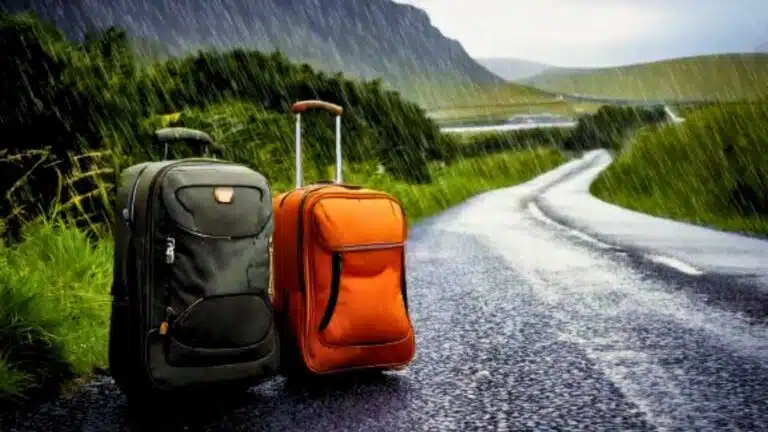
You'd be surprised how many visitors regret not packing waterproof trousers (like these) or a universal travel adapter (like this). That's why I created this Amazon essentials list for those last minute packing needs.
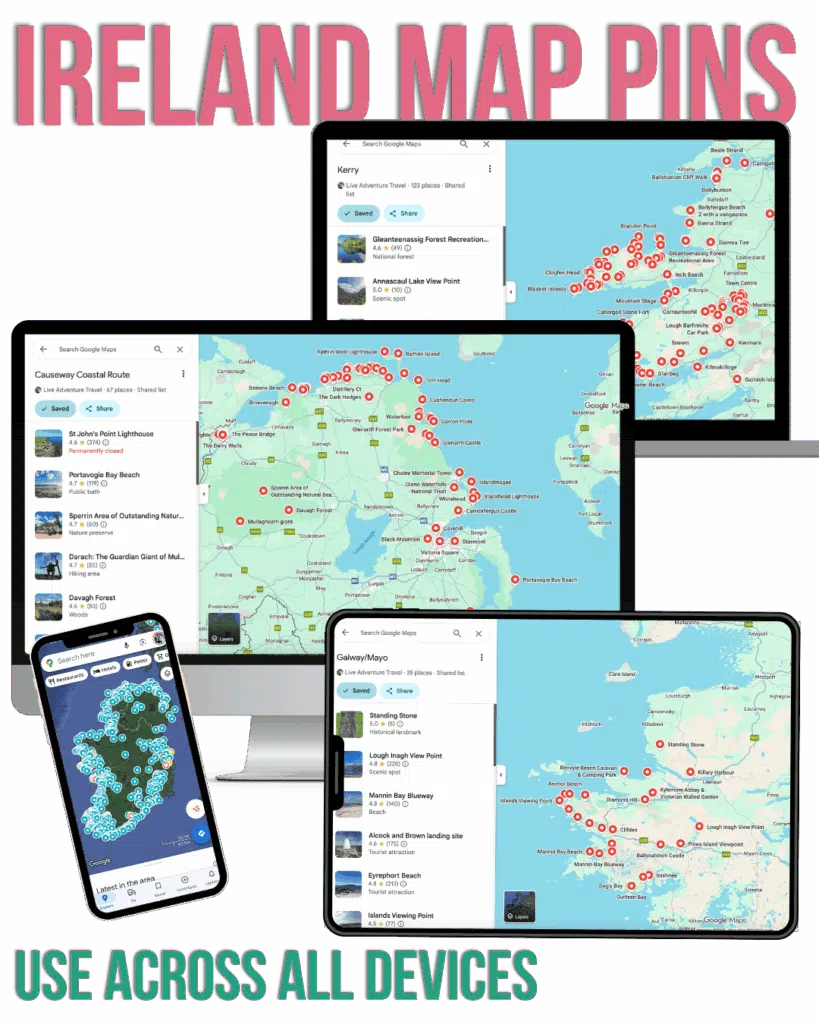
Avoid only visiting the same generic locations seen in every Ireland Travel guide…
Instead, spice up your itinerary with local hidden gems, lesser-known spots, and pull-ins that most drive past.
Sign up below for free access to my hand-picked Google Map Pins.
1. Local travel resources you might find handy
Before we dive in, just a quick note, I’m a local Irish travel expert, and if you’d prefer in-depth guides on some of the topics mentioned here, you’ll find them across my website:
- Driving in Ireland Tips – everything first-time visitors should know before getting behind the wheel.
- Renting a Car in Ireland – insurance, deposits, and what to expect at the rental desk.
- Tourist Mistakes in Ireland – common first-timer errors and how to avoid them.
- Best Time to Visit Ireland – when to go based on weather, crowds, and prices.
Or alternatively, you can check out my Free Ireland Resource Library if you’d like to dig deeper after this post.
Drive in Ireland
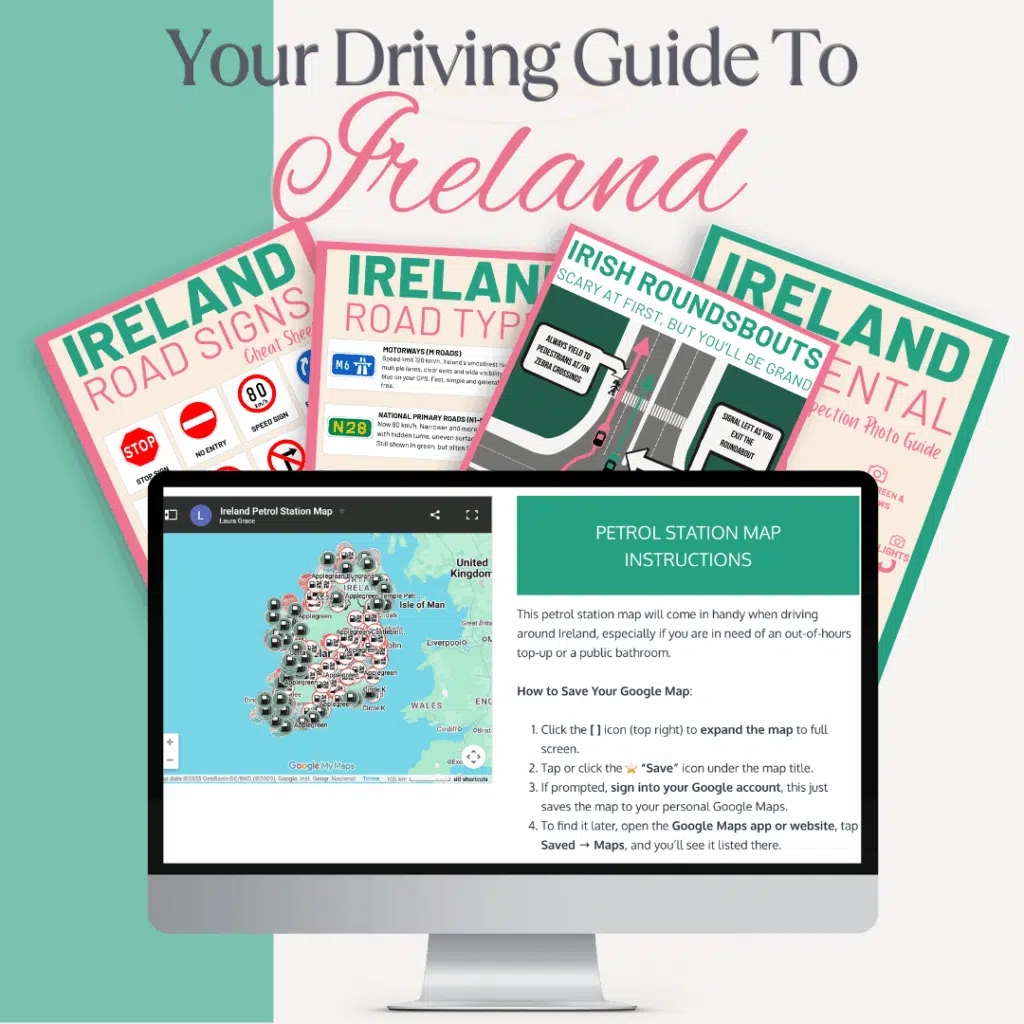
Feeling nervous about driving in Ireland? You’re not the only one… and you don’t have to figure it out alone.
The Ireland Driving Toolkit is a practical guide with clear local advice and no guesswork.
✔️ Custom Google Maps with petrol stations and toll roads mapped out.
✔️ Cheat sheets for roundabouts, road signs and km to miles.
✔️ Straightforward tips on tolls, navigation and what to expect on different road types.
Plus, the small local details most guides skip, but make all the difference once you’re here.
2. Book your flights early
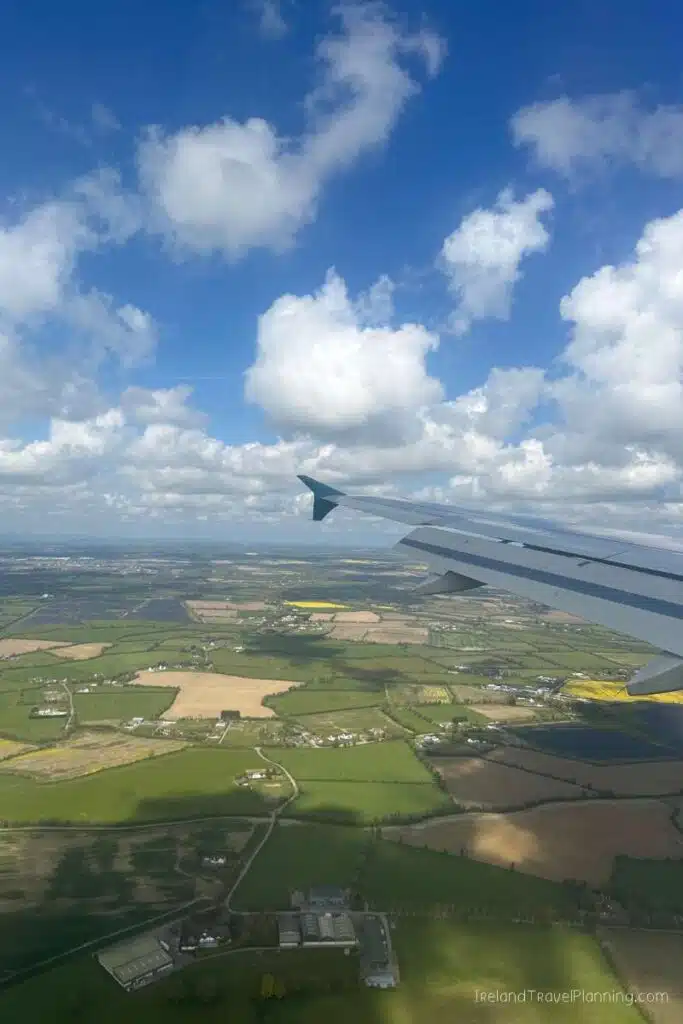
It’s absolutely essential to keep an eye on flight prices before your trip to Ireland, flights are one of the first things you should pre-book
We’ve all done it..
Spotted a great deal, taken our eye off it for a week, and suddenly it’s jumped by a couple of hundred quid. And…we don't want that to be you.
The best way to avoid mishaps like that is to use tools like Skyscanner. They show all the major airlines in one place, so you can easily compare prices and when best to visit Ireland.
You can also set up flight alerts, and they’ll ping you when prices drop, saving you from that awful “I should’ve booked it last week” feeling.
And they make it super easy to click through and book directly with the airline (I don't advise booking with 3rd party websites, it causes all kinds of difficulties).
Now, before you get too excited, double-check your passport is valid for at least six months after your return date. It’s one of those small details that causes chaos if you forget.
3. Buy travel insurance before you book anything else
If you take anything from this post, please let it be this…
Travel insurance is essential. – It's the key thing to book in advance for Ireland…
You never think it’ll be you, until it is. It’s one of those common tourist mistakes in Ireland that catches people out every year
Trust me, as someone who has been seriously hurt while abroad, I can’t stress enough how important good medical cover is.
What could have turned into a nightmare of hospital bills and an extended stay ended up being somewhat manageable (even if I couldn't see it that way at the time).
Because I had insurance, I was able to fly home and recover surrounded by friends and family instead of being stuck overseas. I can’t explain how grateful I was for that safety net.

It’s not about expecting the worst. It’s just about being prepared for real life, from simple mishaps like missed connections, lost bags, or not-so-fun ones like an unexpected fall on a cobblestone street.
Using tools like VisitorsCoverage to compare travel insurance plans makes it super easy to review multiple options in one place and find a policy that actually gives you solid cover without the hefty price tag.
Look for medical and trip protection at a minimum, those are the two that matter most if something goes wrong.
DISCOVER Your ideal
4. Pre-plan the bones of your itinerary
You don’t need to have every detail mapped out before you book your flights, but having a rough route makes the rest of your Ireland trip planning ten times easier.
A common mistake is assuming you have to fly in and out of Dublin. You don’t.
If your home country has routes to more than one Irish airport, you can easily fly into one and home from another. For example, start in Dublin and end in Shannon, it saves you from doing a full cross-country loop just to fly back out again.
Most rental car companies are great about this and will let you pick up in one location and drop off in another, often for a small fee. Use DiscoverCars to check what’s available, it compares all the big providers in one place and makes it easy to see which routes work best for your itinerary.
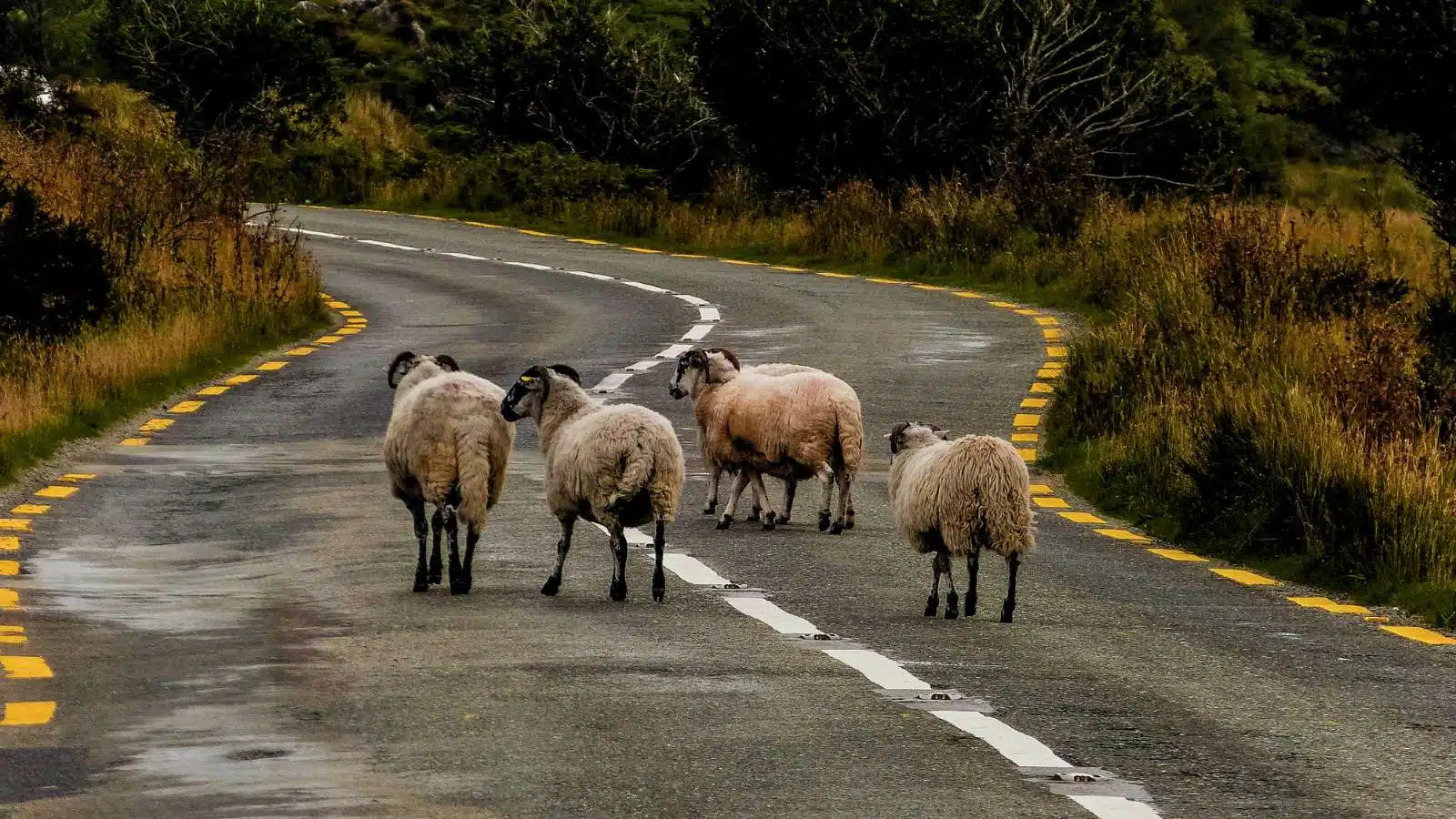
And remember, just because Ireland’s small doesn’t mean it’s quick to get around. Winding country roads, photo stops, and the odd sheep traffic jam will slow you down more than you think (Avoid common driving mishaps with my locals guide to driving on Irish Roads).
My advice? Pick one or two core places or attractions per day, then keep a few “maybe” spots in your back pocket. That way you’re not racing the clock, but you’ll still have options if the day goes smoother than expected.
And if you’re driving for the first time here, my Driving in Ireland Toolkit has printable cheat sheets, toll guides, and maps to make the whole thing easier.
DISCOVER IRELAND
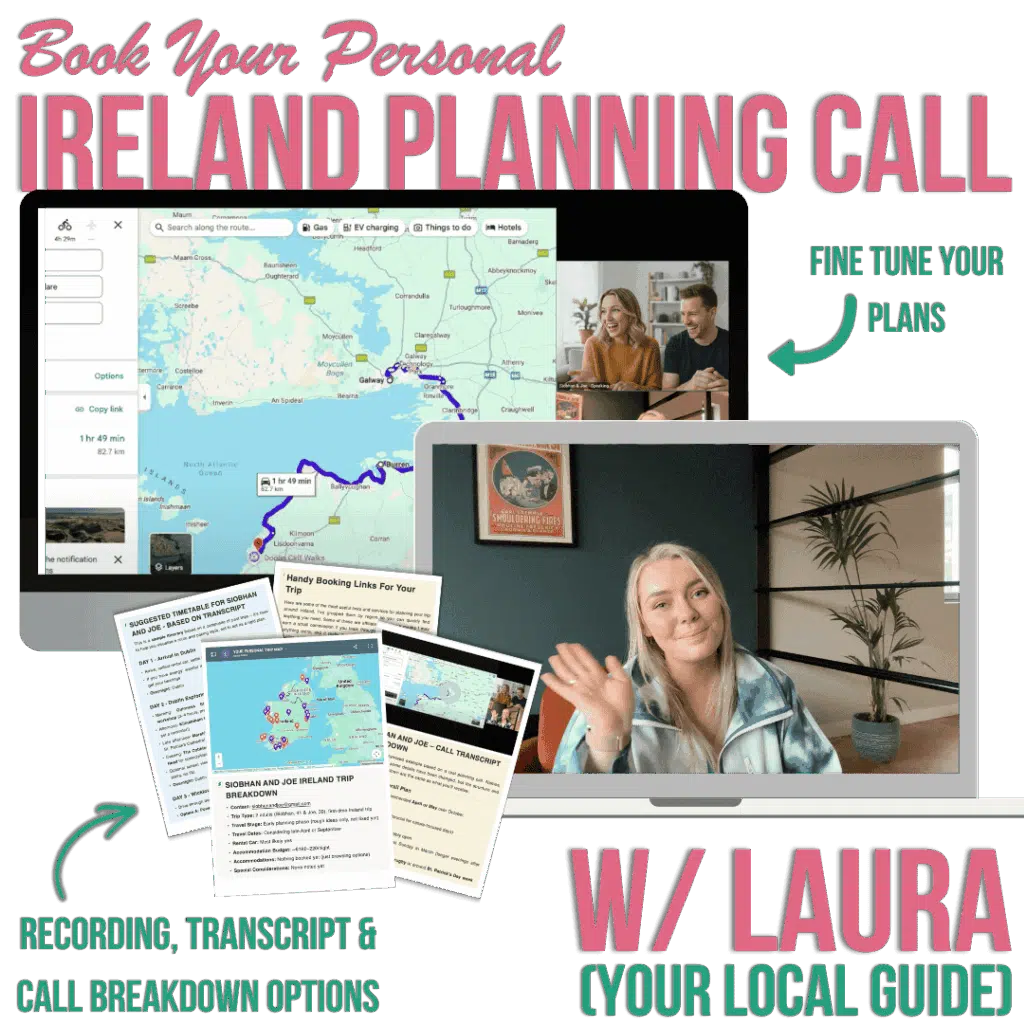
Feeling overwhelmed planning your trip to Ireland? I have just the thing for you!
As a local, I offer 1:1 Ireland travel planning calls, where we go through your trip together.
Discussing any potential mishaps, planning oversights and questions you may have.
The call is completely personalised to your trip, giving you the clarity, confidence and a solid plan to move forward with.
⚠️ Please note: During Ireland's tourism season, travel planning calls can book out several weeks in advance. Last minute trip planning may not be possible ⚠️
5. Book a Travel Planning Call WITH ME…optional, but it's a no-brainer 😉
If planning your Ireland trip has you buried in tabs, wondering if you’ve crammed too much in, or debating whether that “two-hour drive” actually means two hours (spoiler: it doesn’t…not with Irish tractors on the road).
Having a quick chat with a local might just be what you need.
I offer 1-on-1 Travel Planning Calls where you can ask all your Ireland questions, from driving routes and timing to where it’s actually worth spending the night.
Whether you’ve already mapped out a rough route or you’re still piecing it together, I’ll help you make sense of it all and steer you clear of the usual first-timer pitfalls.
It’s personal, practical, and way more fun than arguing with Google Maps.
👉 Book your Travel Planning Call here, it’s an hour that’ll save you days of confusion and a few less ‘is this a one-way system' moments in the car 😉
Avoid only visiting the same generic locations seen in every Ireland Travel guide…
Instead, spice up your itinerary with local hidden gems, lesser-known spots, and pull-ins that most drive past.
Sign up below for free access to my hand-picked Google Map Pins.

6. Book your accommodation well in advance
One question I see pop up all the time in my Free Ireland Travel Planning Facebook group is:
“How far in advance do we really need to book our accommodation, or can we just go with the flow?”
It’s a fair question. And technically, yes, you can wing it. But the reality? You’ve no idea what kind of options you’ll end up with.
Even in the quieter months, prices can spike for what’s left, and in summer, popular towns book up faster than you’d think.
So while “go with the flow” sounds romantic, it usually ends in “go with what’s left.”
If you’re visiting anywhere like Killarney, Galway, Dingle, or Dublin, I’d call it a no-brainer pre-book your accommodation before visiting Ireland. Espeically in busy places.
It’ll save you money, stress, and a few questionable motels along the way.
I tend to use Booking.com to check what’s available in each area, it’s easy to filter by free cancellation and see a full range of hotels, B&Bs, and guesthouses in one place. You can also cross-check reviews on Tripadvisor if you want to see competitive prices across booking platforms.
And if you’re dreaming of a castle stay, think Ashford Castle or Kilkea Castle, book as soon as you know your dates. Those places are magical, but they’re also magnets for weddings, tours, and last-minute honeymooners.
❌ AVOID EXPENSIVE ROAMING CHARGES: An affordable eSIM plan is the perfect solution! Airalo eSIMs work seamlessly across Ireland with their quick, easy and affordable plans use the code IRELAND10 for 10% off. (ROI Deals & ROI & NI Plans)
7. Choosing how you’ll get around
Figuring out how to get around Ireland can feel like a bit of a puzzle.
There are three main ways to do it, drive yourself, rely on public transport, or join organised tours. Each has its perks (and headaches).
If you’re planning on driving…
I advise booking your rental as soon as possible. The later you leave it, the higher the price climbs and if you want an automatic, act fast. Most cars in Ireland are manual, so automatics get snapped up early.

I tend to use DiscoverCars to compare prices across different providers. It saves trawling through individual websites and lets you actually see who’s offering the best deal.
It is also important to make sure your licence is valid for use in Ireland, some countries require an International Driving Permit, others don’t. It’s one of those things that’s better checked before you’re standing at the rental desk.
And when you’re packing for Ireland, don’t forget a credit card that allows a hold of around €2,000–€3,000. I know, it’s crazy…just the reality of Irish car rentals.
Pre-book your car rental as early as possible, then relax knowing the hard part’s sorted.
PLANNING ON RENTING A CAR IN IRELAND?
I highly recommend keeping an eye on the rental prices ahead of time by using comparison tools like Discover Cars to find the best prices on the market.
If relying on public transport…
It is important to understand a few key things…
For trains, check Irish Rail for routes, prices, and times. You can book directly on their site or app, it’s the best way to get between cities like Dublin, Cork, and Galway.
For buses, use Bus Éireann or Transport for Ireland for local routes. You can also check Busbud to compare intercity options, it doesn’t list every service, but it’s handy for longer trips.
You can also find full city transport info in my public transport in Dublin guide if your trip starts in the capital.
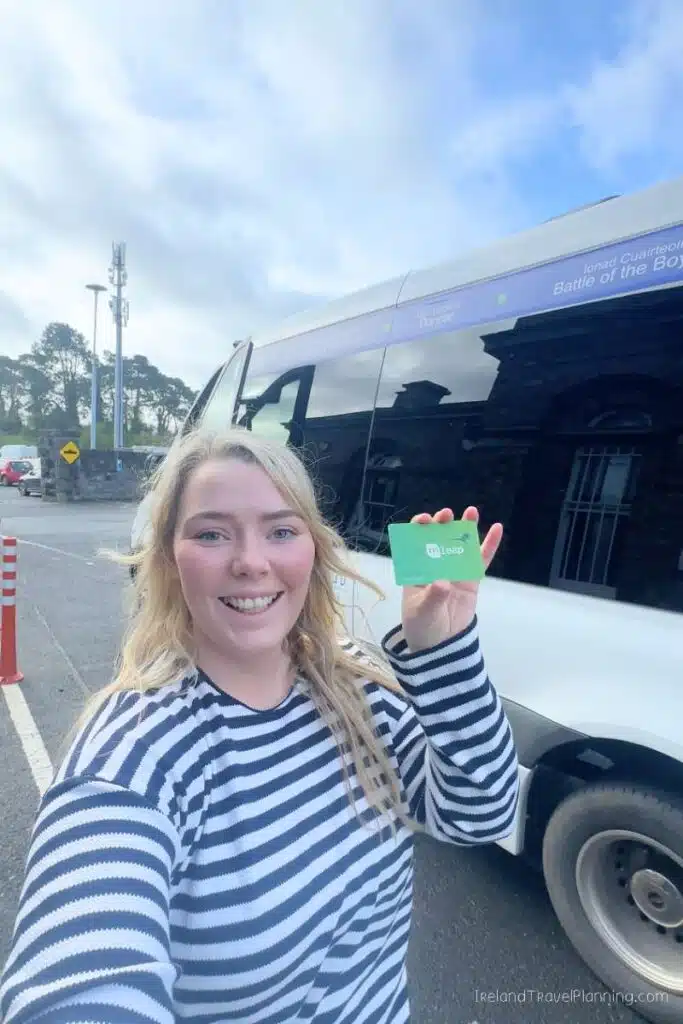
If you’ll be using city transport, grab a Leap Card. It’s Ireland’s contactless system and works in most major cities and bigger towns. Just note that some local bus routes don’t accept card payments, it’s one of the few places in Ireland where you’ll still need cash.
If you prefer guided experiences, check GetYourGuide and Viator to see what’s on offer, there are brilliant small-group and day-trip options across the country.
When planning your bases, stick to towns with good connections for day trips. For example when visiting Kerry it's a great idea to stay in Killarney, as the iconic town gives you easy access to join Ring of Kerry tours or explore the Dingle Peninsula with tours like this.
If joining tour groups…
If you’re thinking of joining a multi-day or all-inclusive tour, make sure to shop around before you book.
There are loads of great options out there, but what’s included can vary a lot, and sometimes the wording can be a bit sneaky. Always check if meals, entrance fees, or optional excursions are extra.
Take your time comparing prices and itineraries, and make sure the pace actually suits you. Some tours move every night, while others give you breathing room to enjoy the scenery.
A little research now can save you a few surprises (and a lot of fine print) later.
☘️ DISCOVER UNIQUE ACTIVITIES WHILE IN IRELAND: Check out GetYourGuide & Viator for unique things to do, like a DIY Claddagh Ring Workshop in Dublin or a street food walking tour with a local.
8. Sort your phone and internet before your trip to Ireland
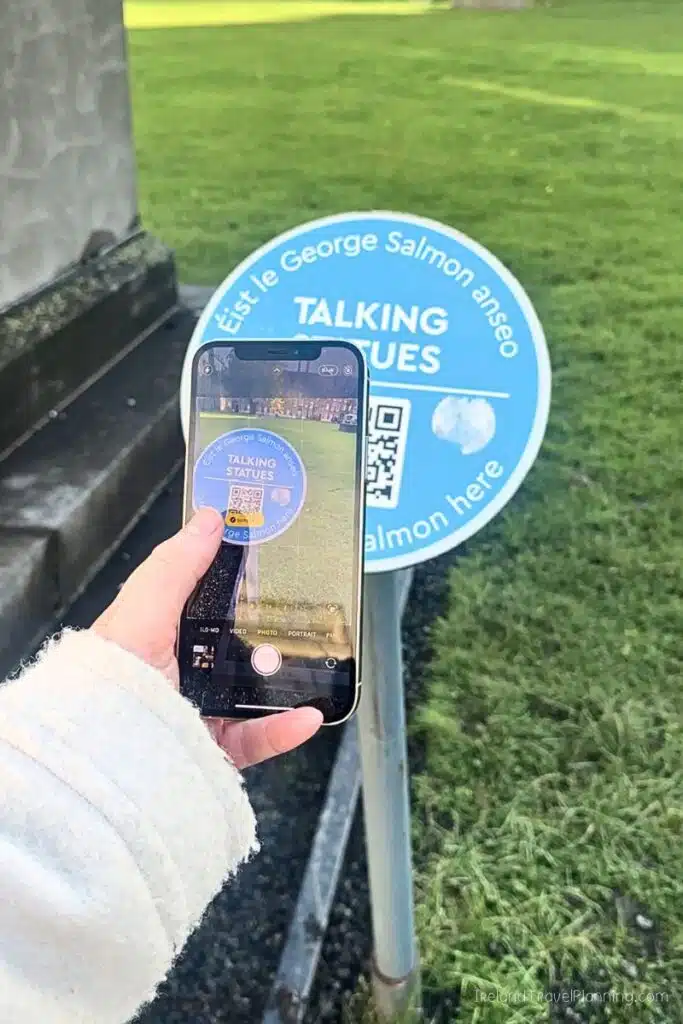
My personal preference is using an eSIM like Airalo, it’s quick to set up, works instantly when you land, and I’ve a sneaky discount for you (use code IRELAND10 for 10% off).
If you’re visiting both Northern Ireland and the Republic, make sure you choose plans like this one that cover both. If you’re only visiting the Republic, this plan will do the job perfectly.
If you’d rather stick with your own provider, double-check your roaming rates and that your plan actually includes Northern Ireland, as some don’t. And honestly, most can’t match the value of an eSIM.
Before you go, save Google Maps offline for key areas, mobile signal can still vanish in rural spots and pack a Universal plug adapter and portable charger. They’re simple things, but they’ll save you more than once.
9. Get your money sorted
Ireland is mostly cashless these days, but small towns, local cafés, and taxis still appreciate cash.
Bring at least one chip-and-PIN card and a backup, just note that American Express isn’t widely accepted. Some places take it, but plenty don’t.
It’s worth withdrawing around €100–€150 in cash for small purchases, parking machines, and leaving tips (especially in smaller restaurants and pubs).
A little cash goes a long way here, and saves you awkward moments at the till.
Avoid only visiting the same generic locations seen in every Ireland Travel guide…
Instead, spice up your itinerary with local hidden gems, lesser-known spots, and pull-ins that most drive past.
Sign up below for free access to my hand-picked Google Map Pins.
10. Plan your airport transfer
It’s worth knowing exactly how you’ll get from the airport to your first stop before you land, trust me, it’s not something you want to figure out after an overnight flight.
If you want the smoothest, most stress-free arrival, book a Welcome Pickups transfer in advance. They’ll track your flight and meet you in arrivals, so there’s no scrambling for taxis or apps.

Otherwise, check the Aircoach and Dublin Express timetables before flying. Both are easy options for getting from Dublin Airport into the city centre.
And if you’re renting a car, confirm your pick-up time and location ahead of time. Not every rental desk runs 24/7, and you don’t want to start your trip waiting in a dark car park with your suitcase and a sense of regret.
🚨 DON'T SKIP INSURANCE: I can't stress this enough, but travel insurance is an absolute must! Thankfully, VisitorCoverage is a great tool when comparing affordable plan options.

11. Should you pre-book tours and attractions before your trip to Ireland?
One question I get all the time is what tours and attractions to pre-book before visiting Ireland, and which ones you can leave until you arrive.
The short answer? Not always, but for the big ones, absolutely yes. Some of Ireland’s headline experiences sell out weeks in advance.
Here are the main ones to plan ahead for:
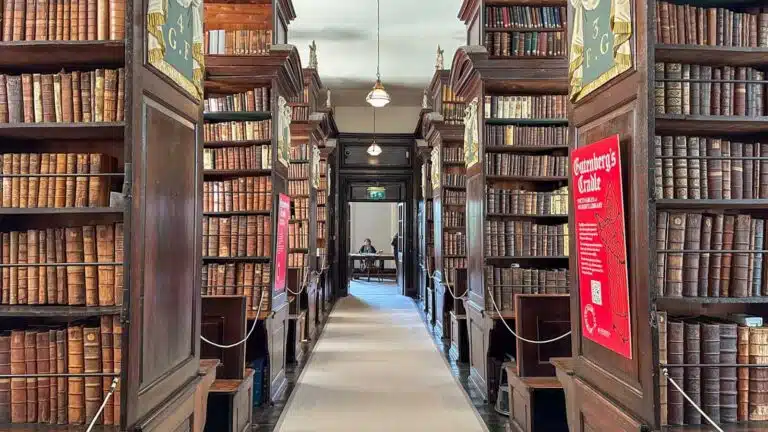
- The Book of Kells Experience – tickets open about 28 days in advance.
- Kilmainham Gaol (Dublin) – opens 28 days ahead and sells out within hours.
- Brú na Bóinne (Newgrange/Knowth, Meath) – timed entry; book around a month ahead.
- Skellig Michael (Kerry) – reserve months in advance; weather can
- cellations are common.
For everything else, like the Guinness Storehouse, distilleries, and smaller castles, you can usually book a few days in advance once you’re in Ireland.Just avoid same-day bookings in July or August.
It’s also worth browsing GetYourGuide and Viator for the areas you’re visiting. You’ll get a good sense of what’s on offer, and to be honest, if you already know your travel dates, it’s best to lock things in early to get the ideal time slot.
Keep in mind that some experiences only run on select days, for example, one of my favourite Dublin activities, designing your own Claddagh ring, operates on limited dates each week. Those little details are worth checking before you plan your schedule. I’ve a full post on my experience at the Claddagh Ring Workshop if you’d like a peek at what it’s like.
And while you’re organising, take a look at ways to save: the Dublin Pass and OPW Heritage Card can cut your costs significantly if you’re visiting multiple attractions. The trick is to plan your time well so you actually make the most of them
12. Organise your travel documents
Get the boring travel admin out of the way before your Ireland trip, passports, licences, and confirmations are best sorted in advance.
Make sure your passport is valid for at least six months after your trip and that your driving licence (plus any required IDP) is packed safely.
Have digital copies of your bookings, travel insurance, and confirmations saved somewhere easy to find, and keep a backup folder offline on your phone or tablet, just in case Wi-Fi decides not to cooperate.
It’s the least glamorous part of planning, but it’ll save you a world of stress later.
NEED A LAST-MINUTE PACKING FIX?
You'd be surprised how many visitors regret not packing waterproof trousers (like these) or a universal travel adapter (like this). That's why I created this Amazon essentials list for those last-minute packing needs.
13. Familiarise yourself before you go
A few minutes of prep now will make your first few days in Ireland feel effortless, it’s all part of smart travel planning before your trip.
Watch a few short clips on driving on the left and tackling Irish roundabouts, they’re a team sport, and not everyone read the rules.
Read up on Irish etiquette, tipping, and a bit of small talk before you arrive, it’s the quickest way to blend in.
Join Facebook groups like Ireland Travel Planning for real-time advice and local insights, it’s full of people who’ve just been where you’re about to go.
And finally, download emergency numbers and offline maps before you travel. It’s one of those small steps that makes everything smoother, especially when the Wi-Fi decides it’s taking a day off.
Avoid only visiting the same generic locations seen in every Ireland Travel guide…
Instead, spice up your itinerary with local hidden gems, lesser-known spots, and pull-ins that most drive past.
Sign up below for free access to my hand-picked Google Map Pins.