
How Much Does a trip to ireland cost?
Ireland Travel Planning uses affiliate links, including Amazon Associates. If you buy through these links, I may earn a small commission at no extra cost to you. I use a mix of my own photos and paid stock images across the site. (Disclosure Policy)
If you're planning your first trip to Ireland, one of the biggest questions you're probably asking is, how much is this actually going to cost me?
The frustrating answer is… it depends.
Whether you're planning a budget holiday, a family vacation or a once-in-a-lifetime trip, the overall cost of visiting Ireland depends far more on your travel style than most people realise.
I've seen articles claiming you can travel Ireland for next to nothing, while others make it sound like you'll need to remortgage your house before boarding the plane. The reality sits somewhere in the middle.
Ireland isn't the cheapest destination in Europe, and I wish it weren't as expensive as it is. But it's also nowhere near as unaffordable as some people make it out to be.
Most people don't overspend because Ireland is outrageously expensive. They overspend because they underestimate where the biggest costs come from.
Accommodation, car hire, eating out and a few hidden extras are usually what catch people by surprise.
The good news is that once you understand where your money is likely to go, it's actually quite easy to build a realistic budget that suits your travel style.
In this guide, I'll break down exactly how much a trip to Ireland costs, from accommodation and car hire to food, attractions and flights.
Whether you're planning a budget holiday or wondering how much a week in Ireland really costs, you'll find realistic price ranges to help you plan with confidence.
QUICK TIPS for IRELAND
AVOID HIGH ROAMING CHARGES
Airalo eSIMs work seamlessly across Ireland with quick, affordable data plans. Use code IRELAND10 for 10% off your plan (ROI Deals & ROI & NI Plans)
AIRPORT TRANSFER MADE EASY
Welcome Pickups is my go-to for reliable rides from the airport straight to your accommodation. I'd advise booking in advance for peace of mind.
DISCOVER UNIQUE activities
Check out GetYourGuide & Viator for unique things to do, like a DIY Claddagh Ring Workshop or a street food walking tour with a local.
DON’T SKIP INSURANCE!!
I can't stress this enough, but travel insurance is an absolute must! Thankfully, VisitorsCoverage is great for comparing affordable, trusted insurance plans to find one that actually suits your needs.
AVOID OVERPAYING FOR CAR RENTALS
Before booking your rental, I'd advise checking out comparison tools like DiscoverCars to ensure you're getting the best deal on the market.
NEED A LAST MINUTE PACKING FIX?
You'd be surprised how many visitors regret not packing waterproof trousers (like these) or a universal travel adapter (like this). That's why I created this Amazon essentials list for those last minute packing needs.
EXPLORE IRELAND
Tired of seeing the same generic locations in every Ireland Travel guide? I have just the thing for you!
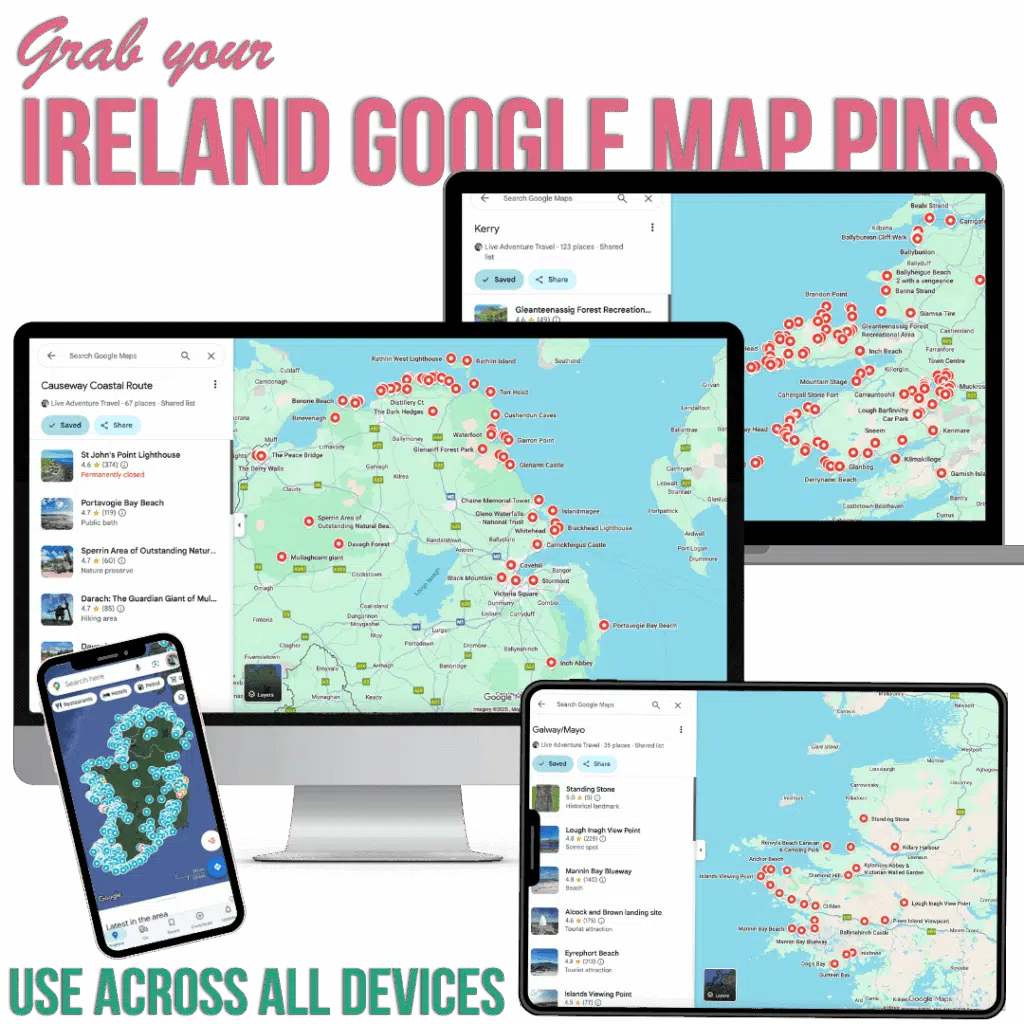
As a local, I’ve handpicked hundreds of Google Maps pins across Ireland, featuring hidden gems, my favourite must-sees and pull-ins that most drive past.
Add them to your own Google Maps by signing up below.
The quick answer: How much does a trip to Ireland cost?
As a rough guide, this is what I'd suggest budgeting per person, excluding flights.
| Travel style | Daily budget |
|---|---|
| Budget | €80 to €120 |
| Mid-range | €150 to €285 |
| Luxury | €300+ |
| Trip length | Budget | Mid-range | Luxury |
|---|---|---|---|
| 7 days | €700–€1,100 | €1,500–€2,600 | €4,000+ |
| 10 days | €950–€1,500 | €2,000–€3,600 | €5,500+ |
| 14 days | €1,300–€2,000 | €2,600–€4,800 | €7,500+ |
These figures include your day-to-day costs once you're in Ireland, such as accommodation, transport, food and activities, but not your flights.
If you're wondering how much a week in Ireland costs, most first-time visitors end up somewhere in the mid-range budget.
Travelling for 10 or 14 days naturally costs more overall, but your daily costs usually stay fairly consistent once flights are taken out of the equation.
More importantly, the overall cost of a trip to Ireland depends almost entirely on your travel style, where you stay, how you get around and what you want to experience.
| Traveller | Estimated total |
|---|---|
| Solo budget traveller (7 days) | €700–€1,100 |
| Mid-range couple (7 days) | €3,000–€5,200 total |
| Family of four (7 days) | €4,500–€7,500 total |
| Luxury couple (7 days) | €8,000+ total |
These are only examples. Your actual budget will depend on where you stay, how you get around, the activities you choose and whether you're travelling during peak season.
Ireland trip cost by travel style
Budget traveller
A budget trip to Ireland doesn't have to mean missing out.
In fact, some of my favourite places in Ireland don't cost anything at all. Coastal walks, mountain passes, beaches, national parks, scenic drives and tiny villages are often completely free.
A typical budget traveller might spend around €80 to €120 per day, or roughly €700 to €1,100 for a week, excluding flights.
That would usually include:
- Hostel dorms or budget guesthouses
- Public transport between major towns and cities
- Grocery shopping and simple pub meals
- Mostly free attractions
- A handful of paid attractions
- Very few organised tours
Mid-range traveller
This is where I think most first-time visitors fit.
You want to stay somewhere comfortable, enjoy a few nice meals, rent a car for at least part of the trip and experience some of Ireland's best attractions without worrying about every euro you spend.
A mid-range budget is typically around €150 to €285 per person per day, or approximately €1,500 to €2,600 for a week, excluding flights.
That usually includes:
- B&Bs or mid-range hotels
- A rental car
- Pub lunches and restaurant dinners
- A mixture of free attractions and paid experiences
- One or two organised tours
- A few drinks in the evenings
Personally, I think this gives you the best balance between comfort and value.
For most of the readers I help plan their first trip, this ends up being the most realistic Ireland travel budget. You get to experience the highlights without feeling like every decision comes down to money.
You still have the flexibility to enjoy the experiences that make Ireland special without feeling like every decision revolves around your budget.
Luxury traveller
If you're planning to stay in castle hotels, eat in fine dining restaurants and book premium experiences throughout your trip, you'll naturally need a larger budget.
A luxury trip generally starts around €300 per person per day, with a one-week holiday often costing €4,000 or more, excluding flights.
That might include:
- Luxury hotels or castle stays
- Private drivers or premium car hire
- Fine dining
- Premium guided experiences
- More flexibility with activities and accommodation
That said, I don't actually think you need to travel like this to have an incredible time in Ireland.
One piece of advice I often give is to choose one or two luxury experiences rather than trying to make your entire holiday luxurious.
💡Travelling as a couple?
Sharing accommodation and car hire means an Ireland trip for two is often better value than people expect, even though the total holiday cost is naturally higher.
PLANNING ON RENTING A CAR IN IRELAND?
I highly recommend keeping an eye on the rental prices ahead of time by using comparison tools like Discover Cars to find the best prices on the market.
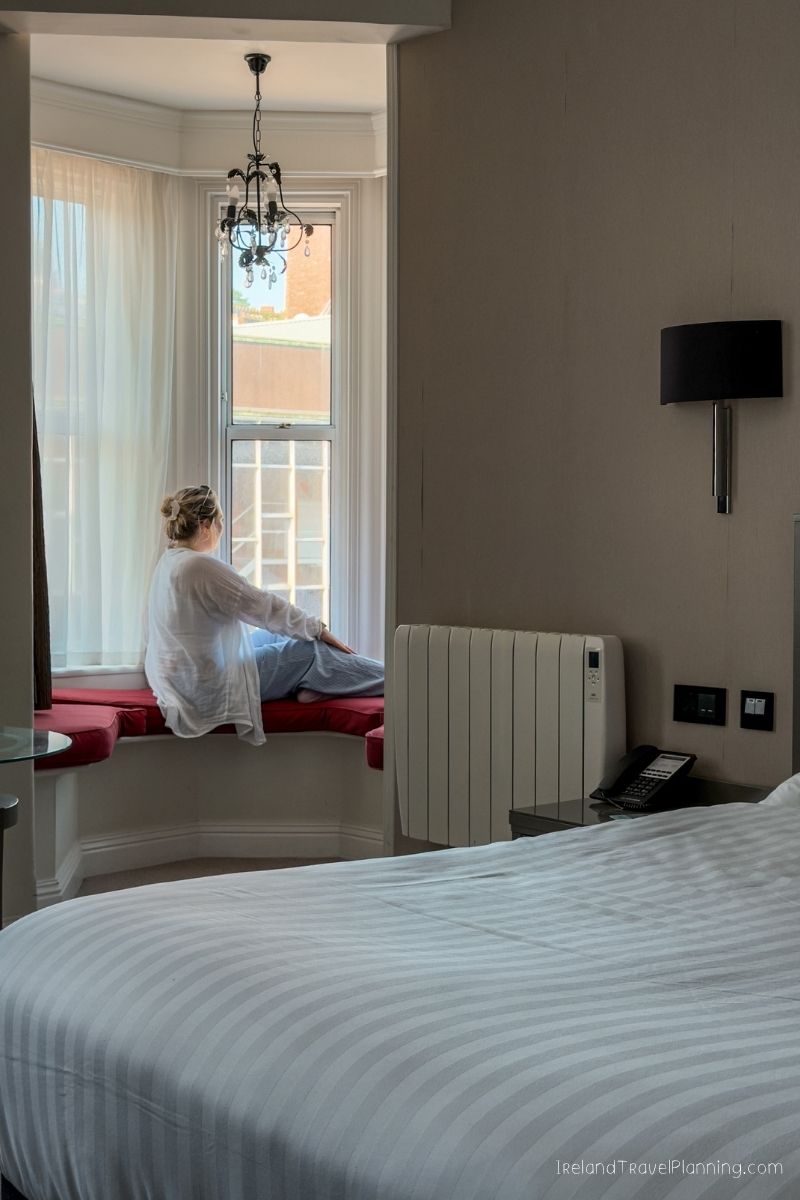

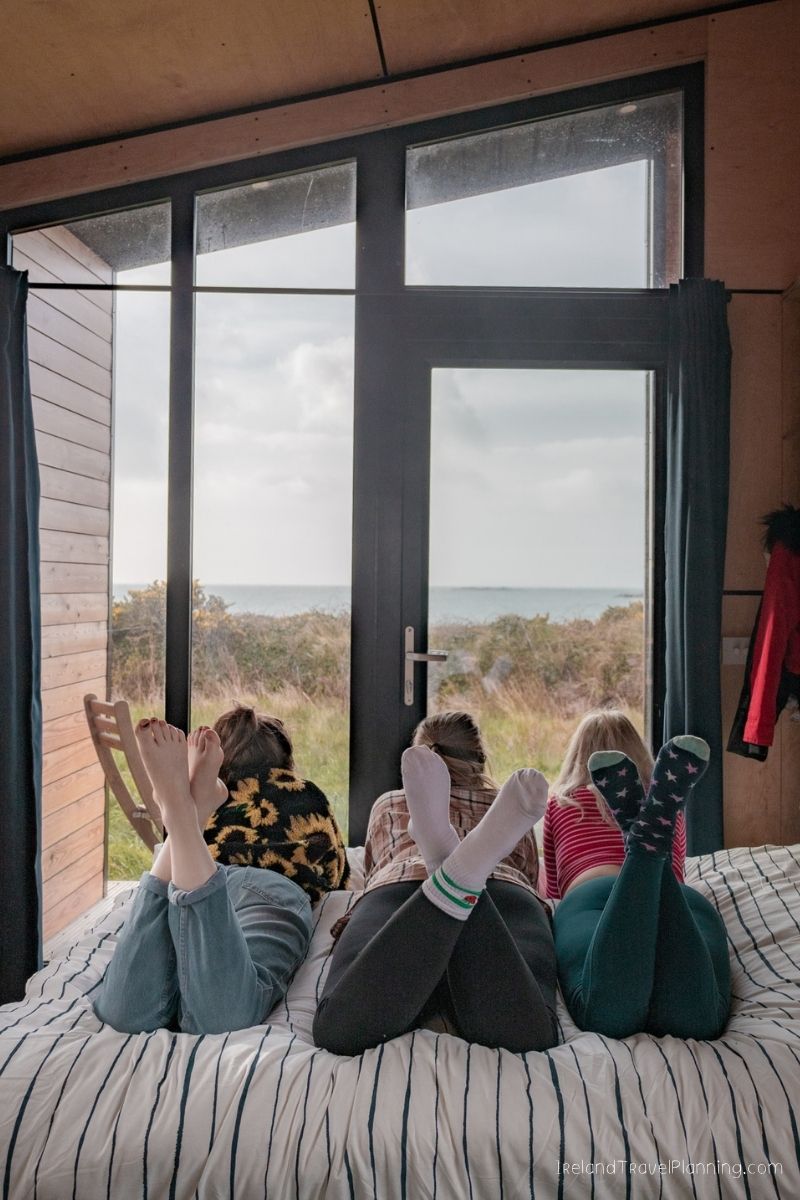
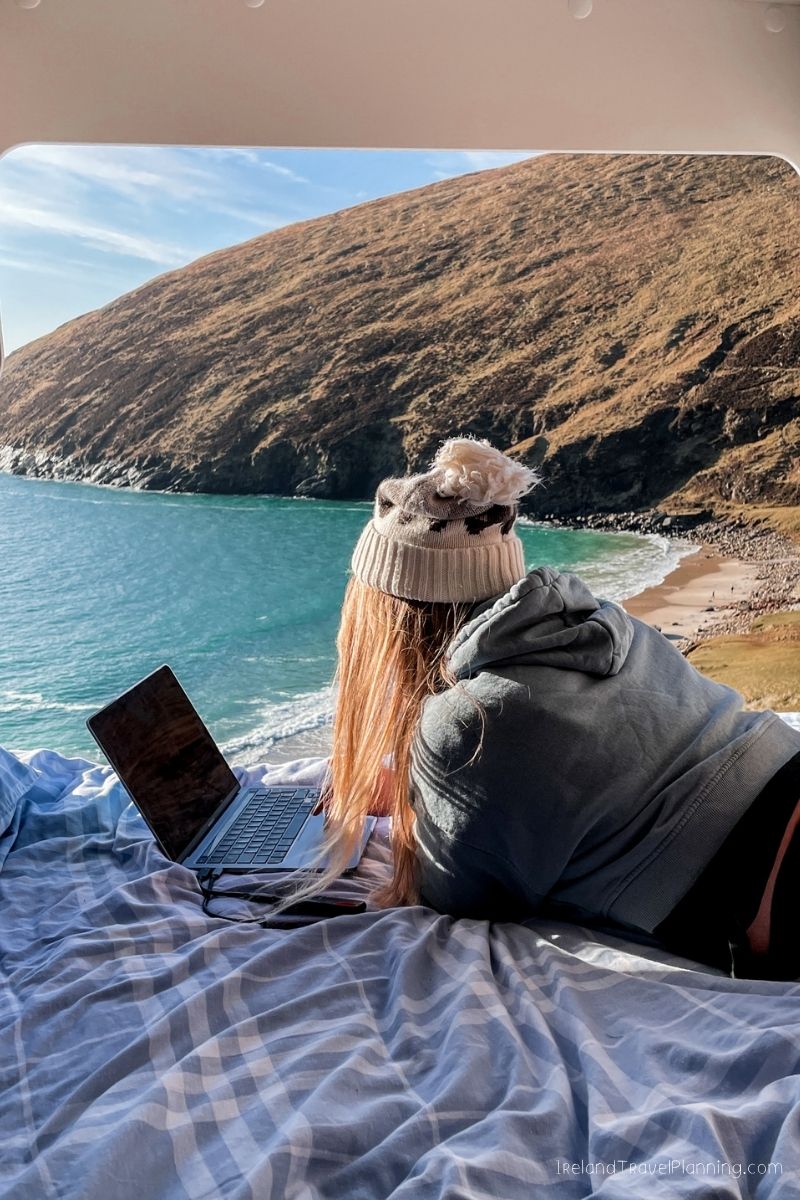
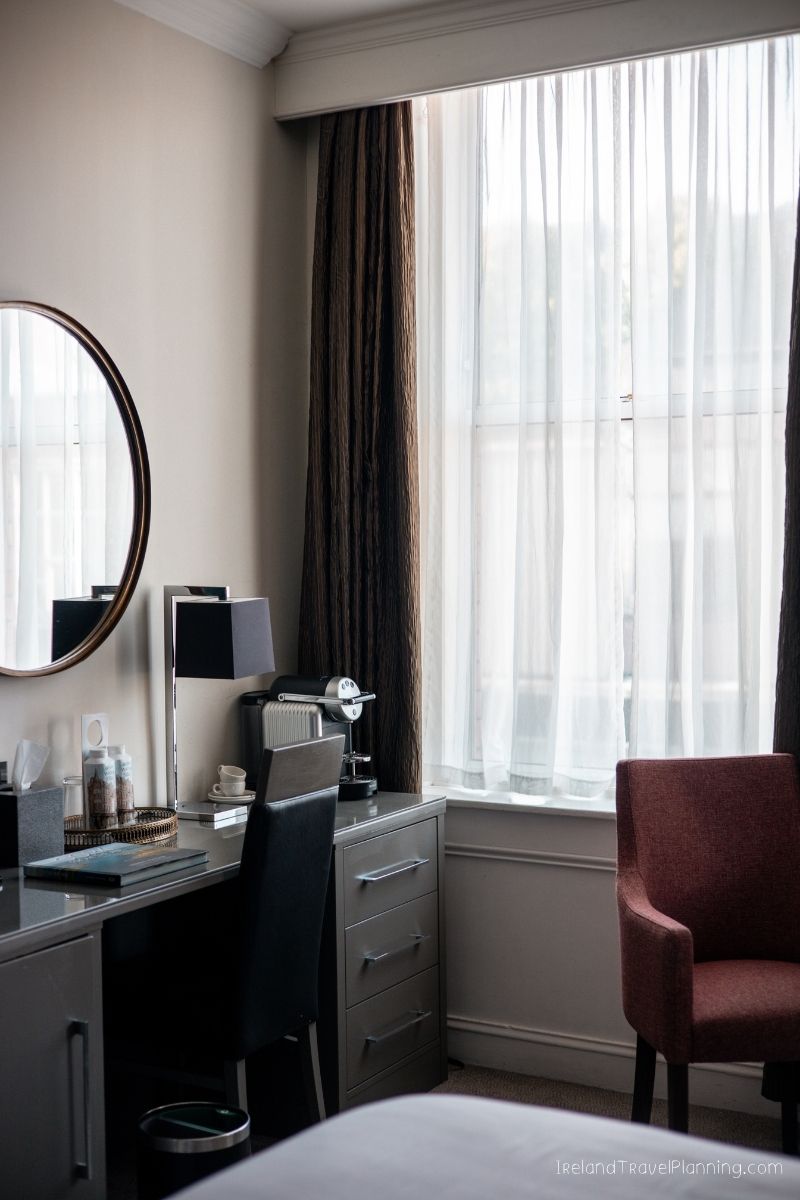
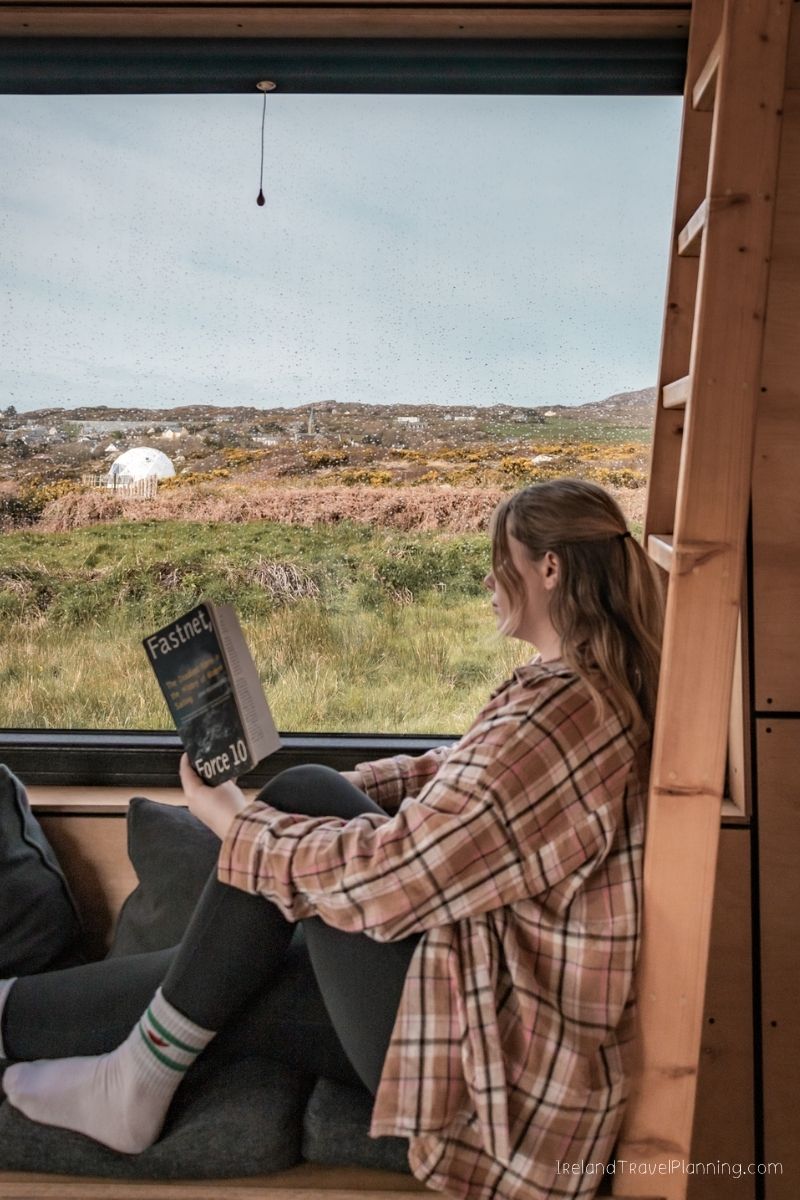
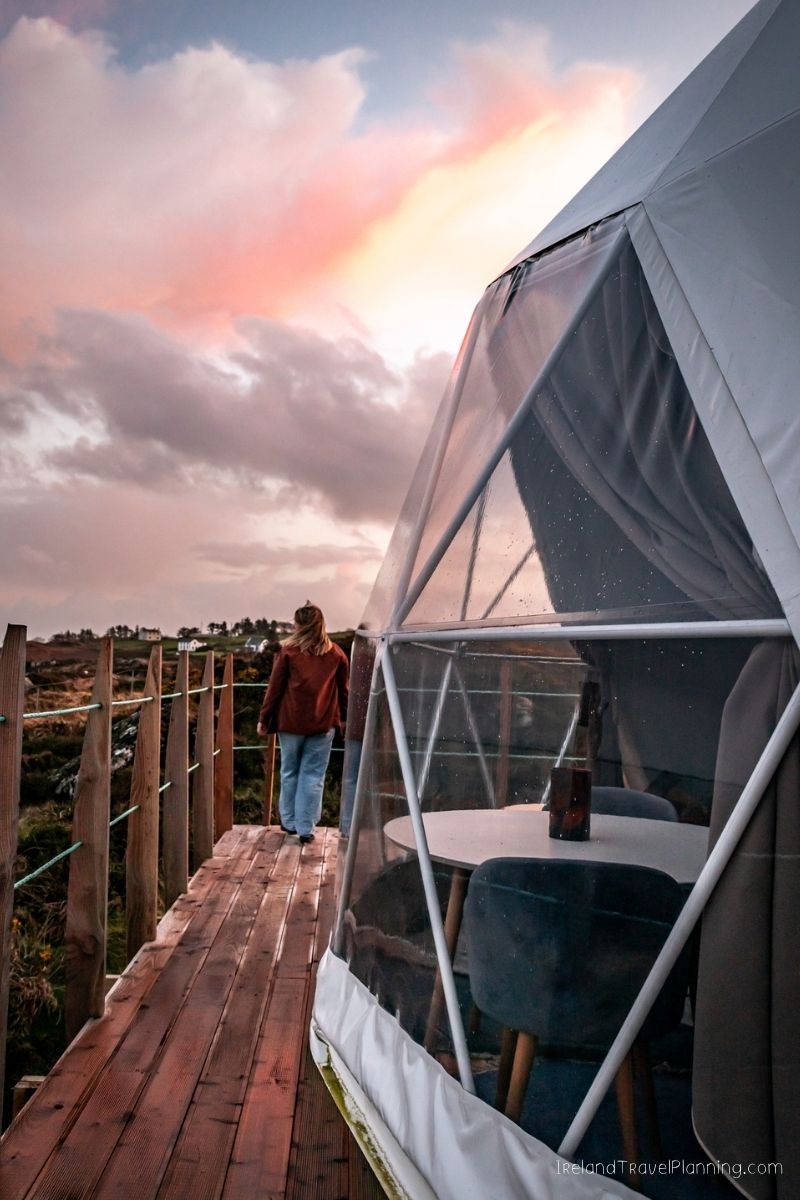
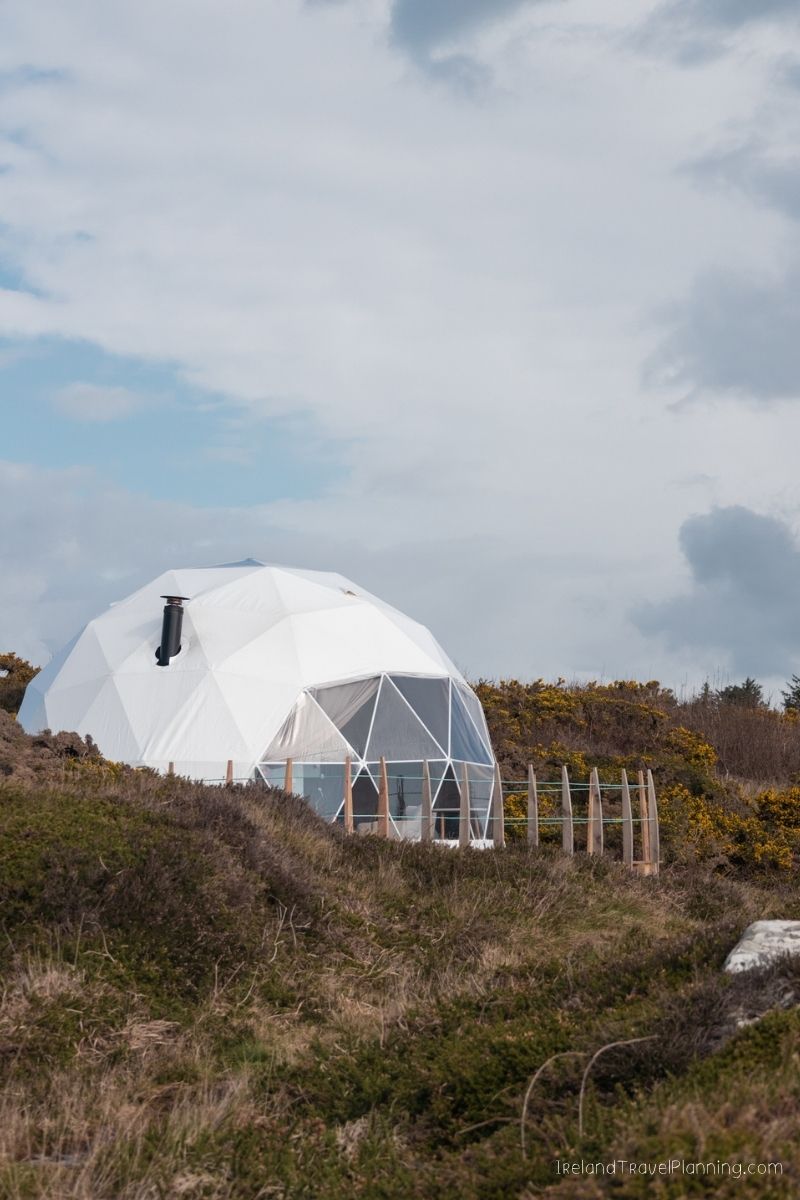
Accommodation Costs in Ireland
Accommodation is usually the biggest expense for most people visiting Ireland.
It's also the area where first-time visitors tend to underestimate their budget.
Budget accommodation
If you're travelling on a tighter budget, expect to spend roughly €35 to €90 per night.
That might include:
- Hostel dorms
- Budget guesthouses
- Simple B&Bs
- Private hostel rooms
Mid-range accommodation
Most of my readers will probably fall into this category.
A comfortable B&B or mid-range hotel generally costs between €100 and €250 per room per night, depending on where you're staying and the time of year.
That might include:
- Mid-Range Hotels
- Guesthouses
- B&Bs
- Air B&Bs/Apartements
Luxury accommodation
Luxury accommodation generally starts from €300 per night, with castle hotels and premium properties often costing considerably more during peak season.
If staying in a castle has always been on your bucket list, I'd absolutely encourage you to do it.
I just wouldn't book castle accommodation for your entire trip.
One memorable night is often enough to get the experience while leaving room in your budget for everything else.

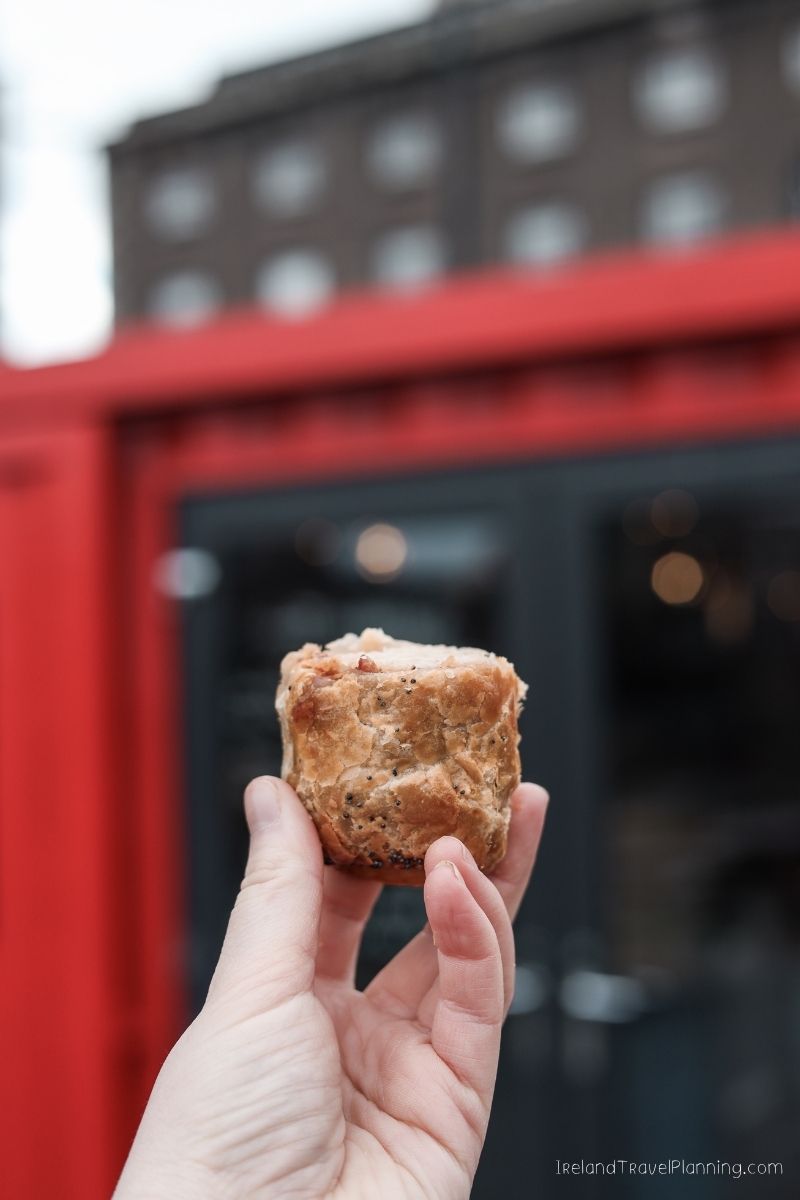




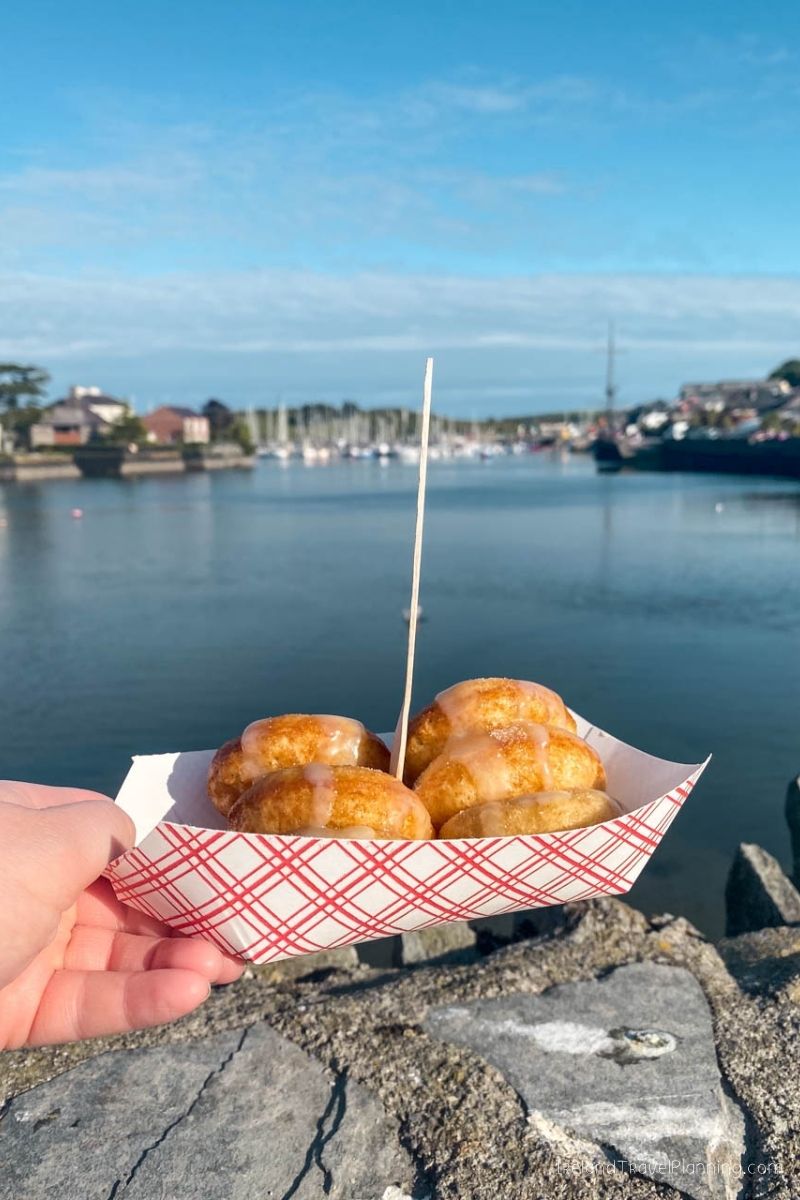

Food and Drink Costs in Ireland
Food is one of the easiest parts of your budget to control.
Some people travel specifically to experience Ireland's food scene.
Others are perfectly happy grabbing a pastry for breakfast from a local shop before heading out for the day.
Typical daily food budget
| Travel style | Daily food budget |
|---|---|
| Budget | €25 to €40 |
| Mid-range | €50 to €80 |
| Luxury | €100+ |
Typical food prices
| Item | Average price |
|---|---|
| Full Irish breakfast | €15 to €22 |
| Café brunch | €12 to €18 |
| Pub meal | €18 to €30 |
| Restaurant main course | €25 to €45 |
| Pint | €5 to €6.50 |
| Cappuccino | Around €4.50 |
Ireland food prices are fairly comparable with many parts of Western Europe. For most visitors, accommodation and transport have a much bigger impact on the overall cost of the trip than meals do.
How Much Do Flights to Ireland Cost?
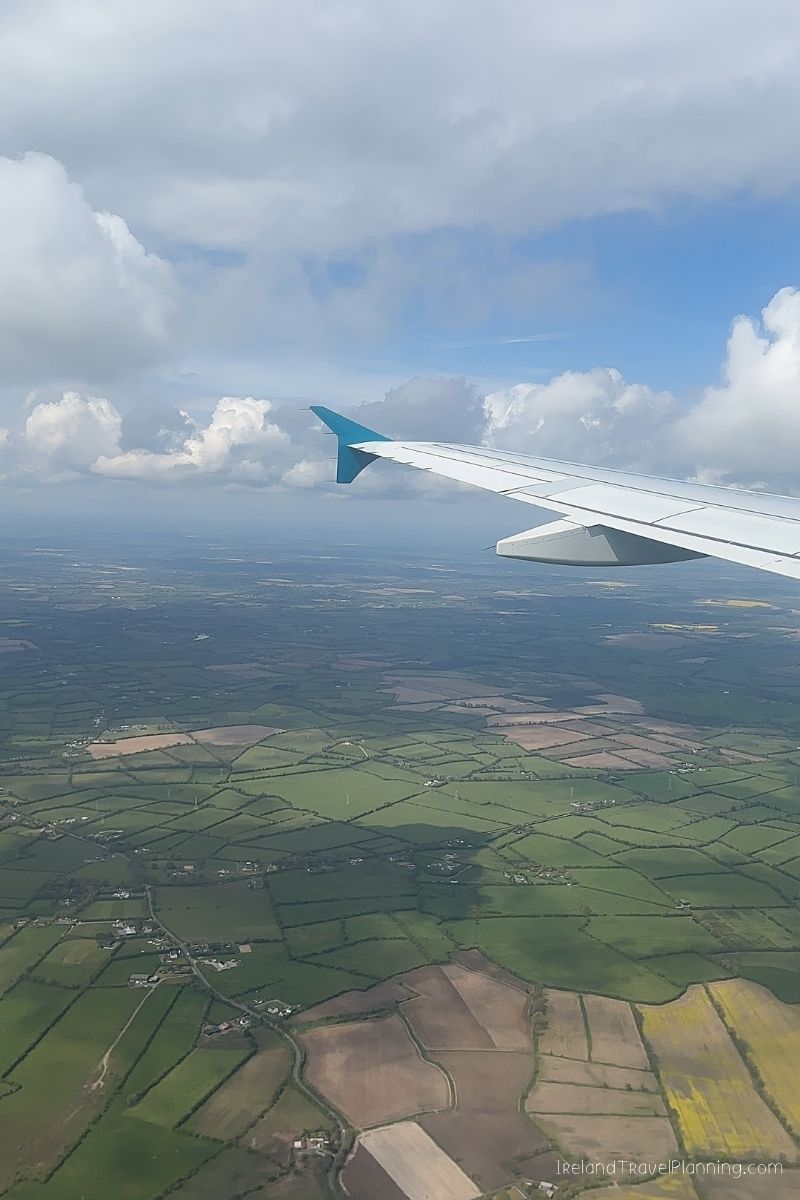
They're one of the biggest expenses for most visitors, but they're also the hardest cost to estimate because prices change depending on where you're flying from, the time of year and how far in advance you book.
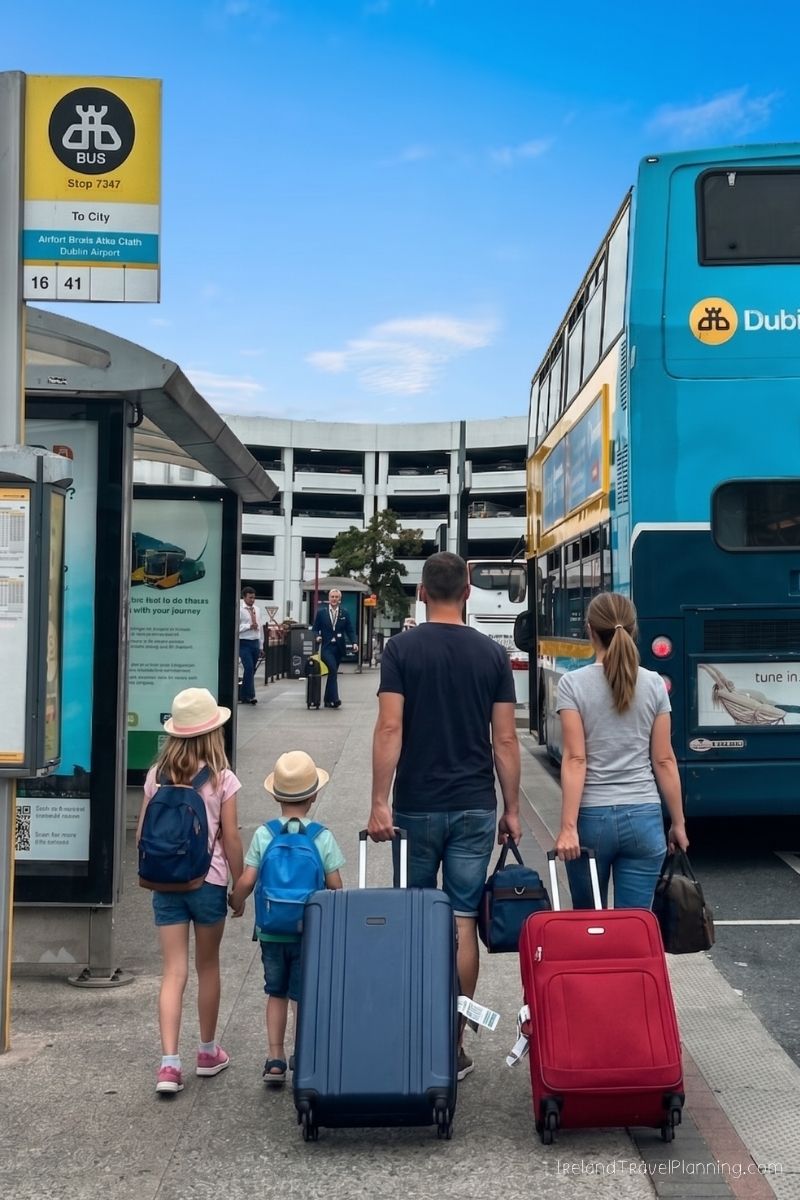
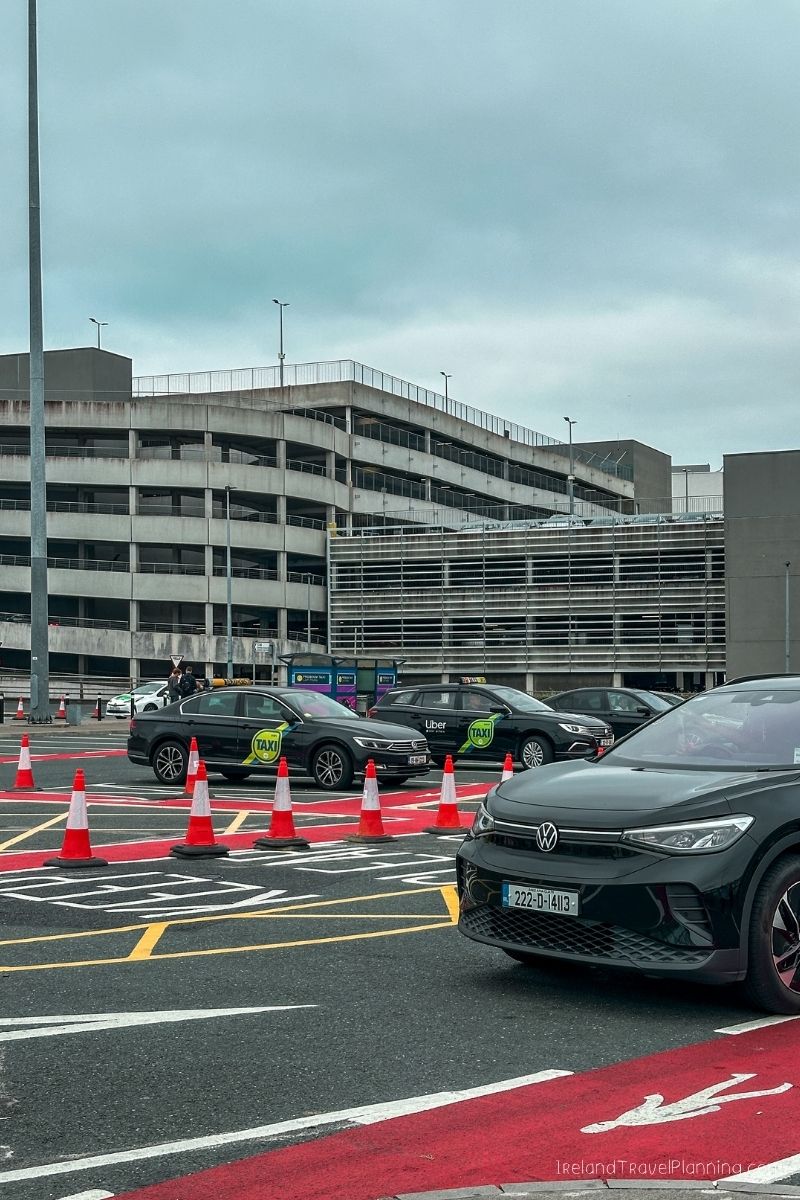
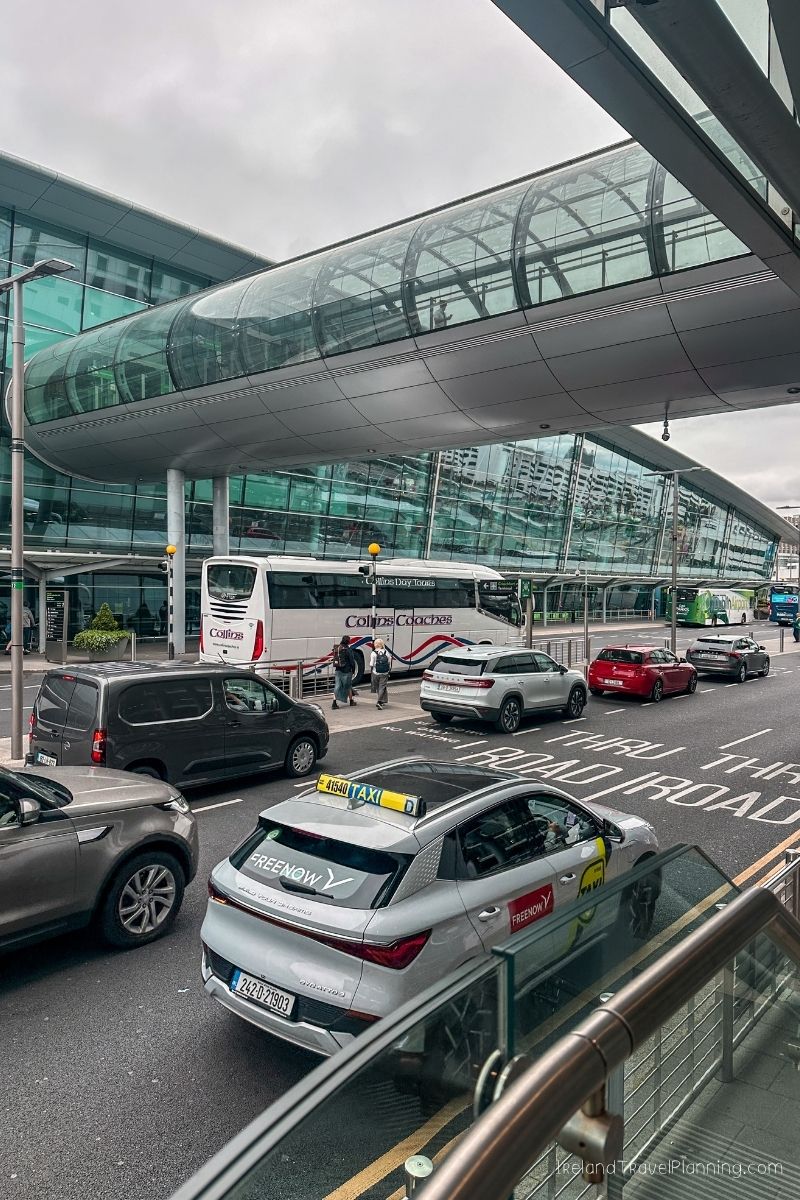
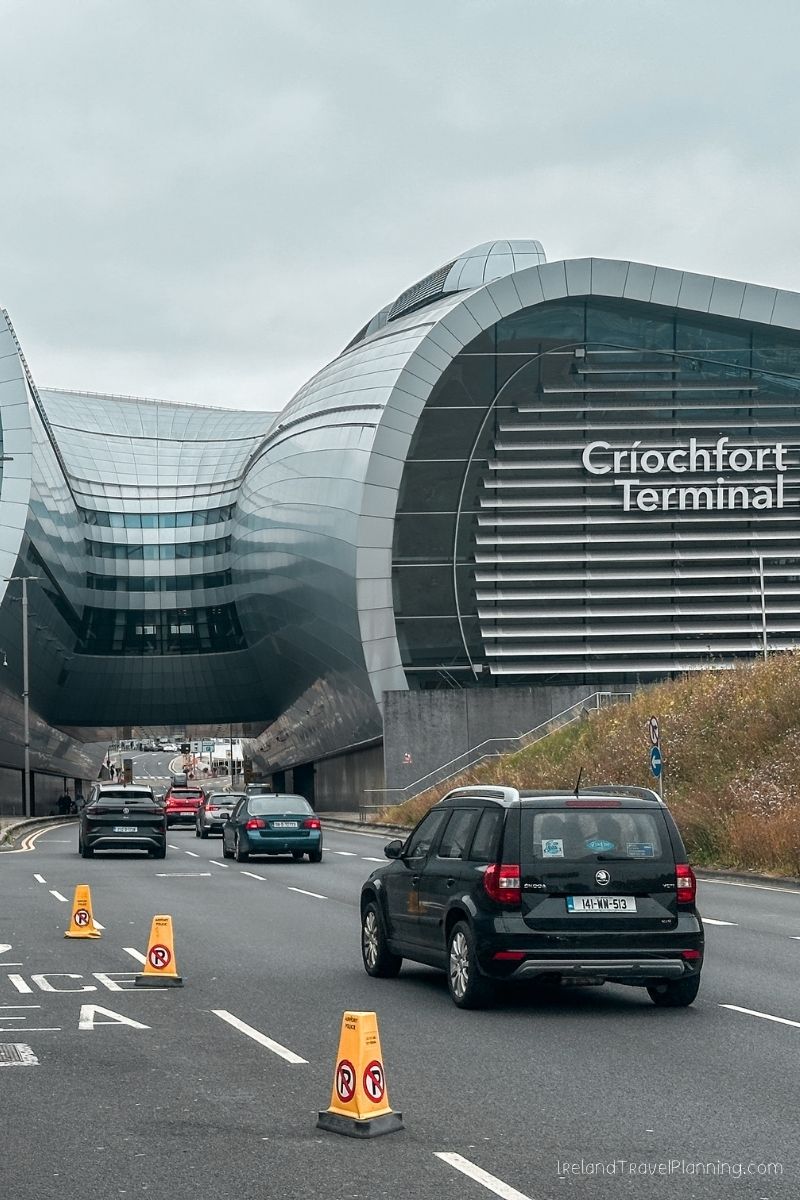
It's also worth thinking about how you'll get from the airport to your accommodation. Public transport is often the cheapest option, but if you're arriving after a long overnight flight or landing late in the evening, a pre-booked airport transfer can be worth budgeting for.
As a rough guide, here's what you can generally expect to pay for a return flight to Ireland.
| Departure region | Typical return fare |
|---|---|
| United States | $400 to $1,200+ |
| Canada | CA$600 to CA$1,500+ |
| Australia | AU$1,300 to AU$2,500+ |
| United Kingdom | £30 to £250+ |
| Western Europe | €40 to €300+ |
| Eastern Europe | €80 to €400+ |
Prices can be significantly higher during school holidays and peak summer. If you're looking for the cheapest time to visit Ireland, travelling during the shoulder seasons usually means lower accommodation prices and cheaper flights.
My tips for finding cheaper flights
- Compare prices using Skyscanner or Google Flights.
- Set up price alerts if you're booking well in advance.
- Be flexible with your travel dates if possible.
- Always compare baggage fees, not just the ticket price.
- Book early if you're travelling in June, July or August, as flights and accommodation tend to increase together.
🚨 DON'T SKIP INSURANCE: I can't stress this enough, but travel insurance is an absolute must! Thankfully, VisitorCoverage is a great tool when comparing affordable plan options.
How Much Does It Cost to Rent a Car in Ireland?
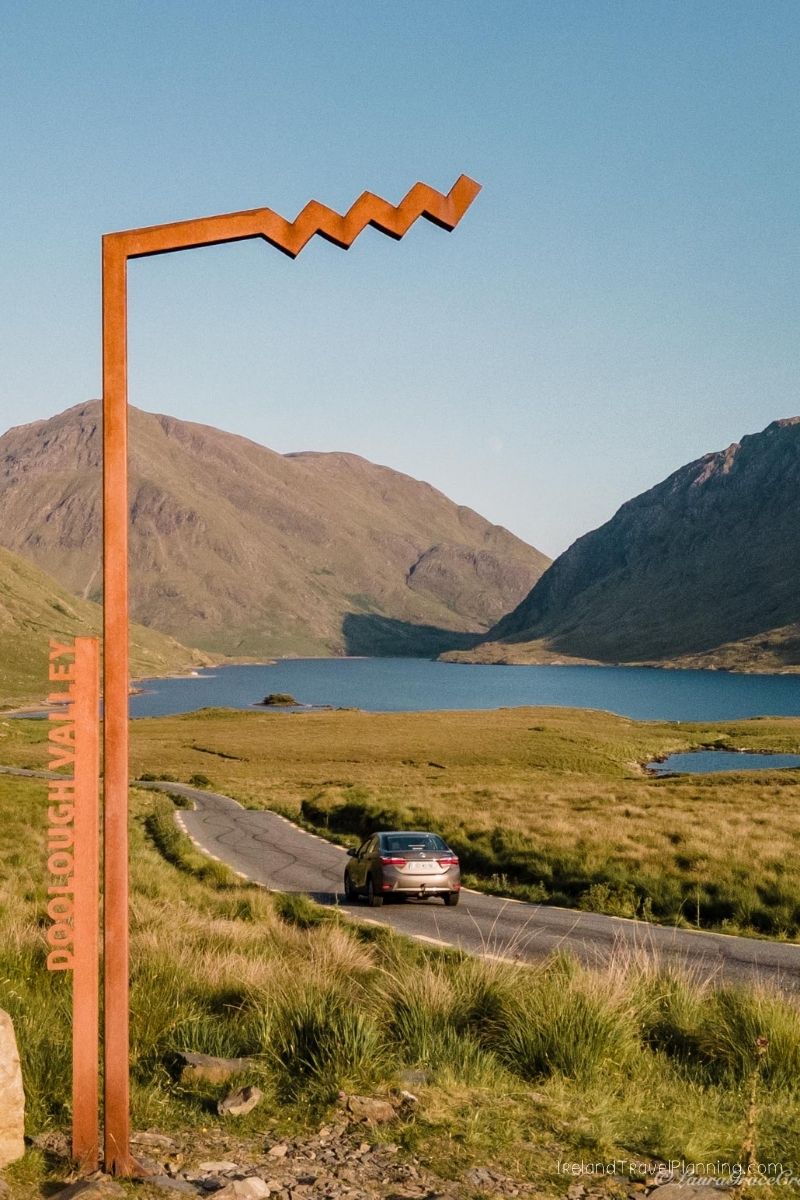
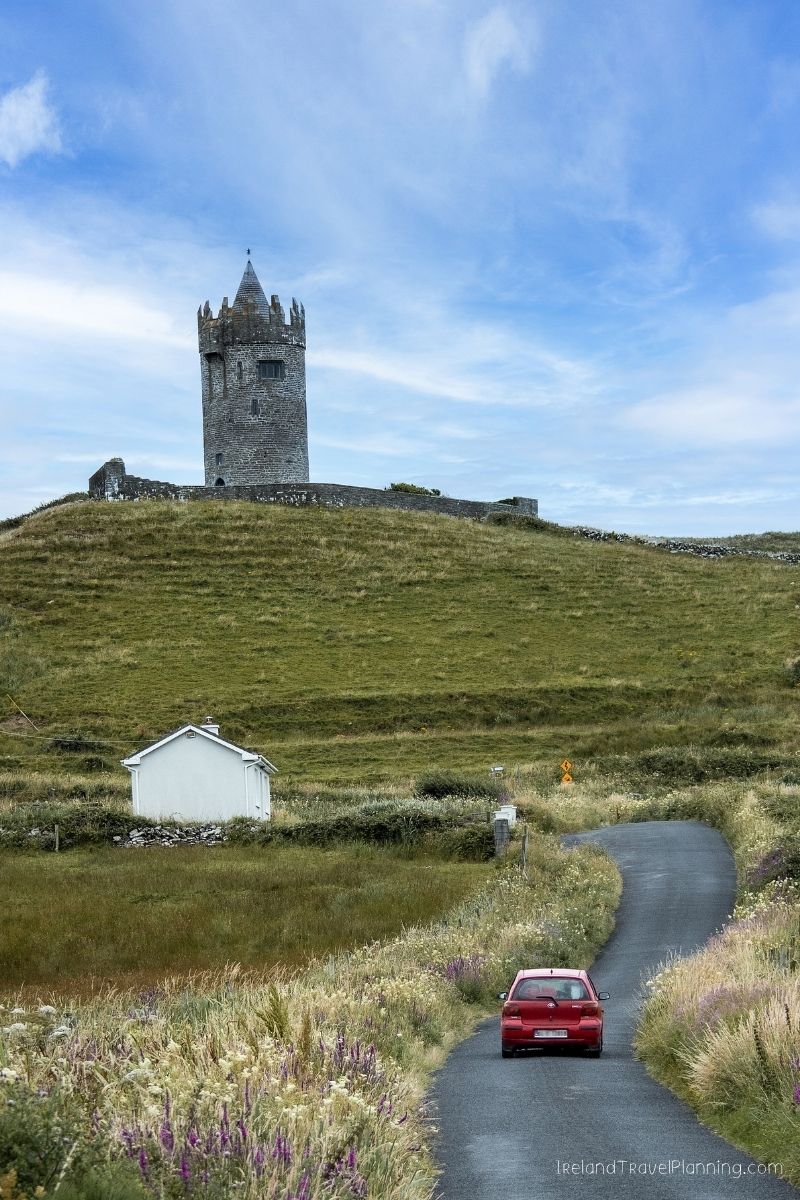
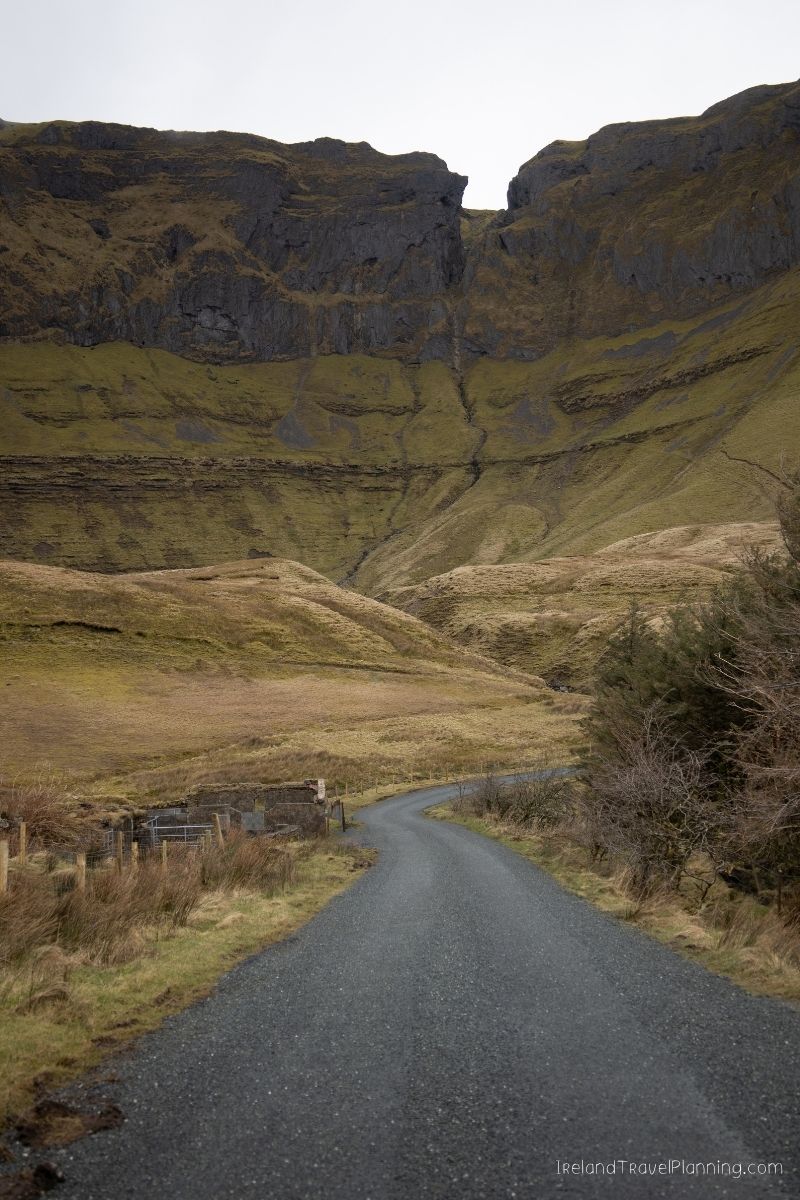
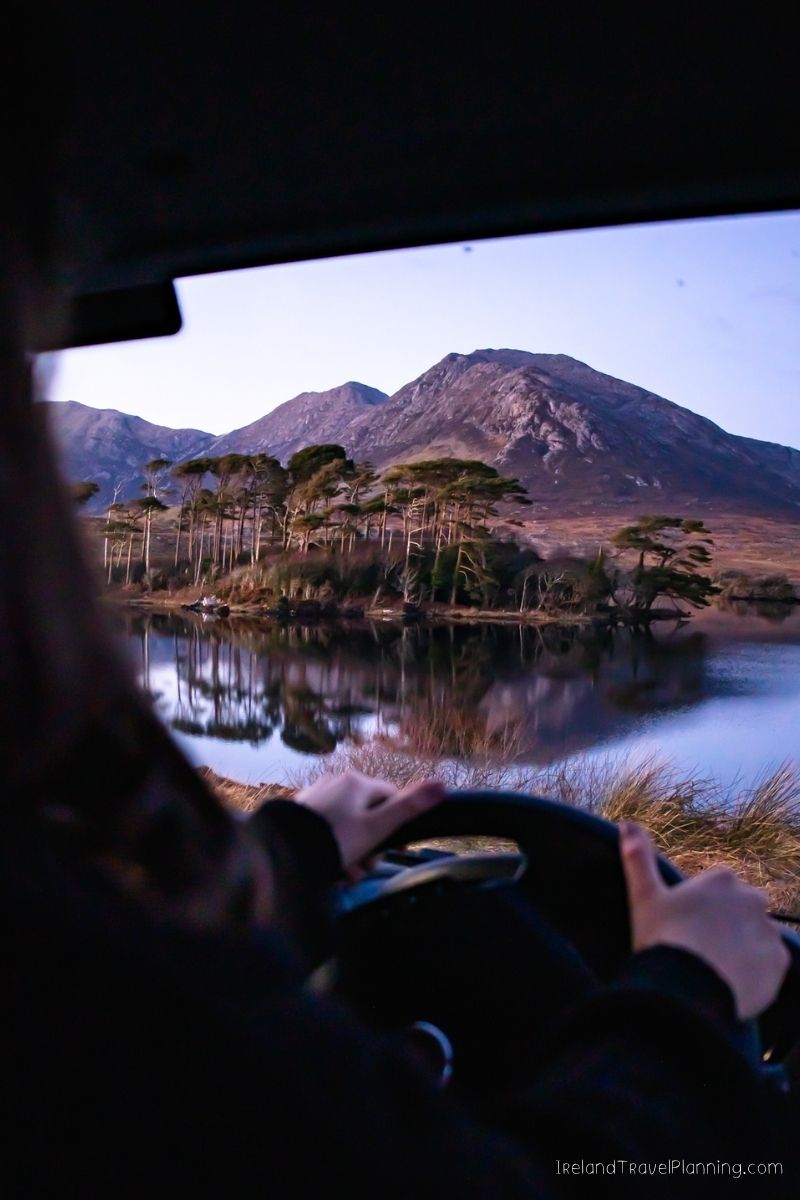
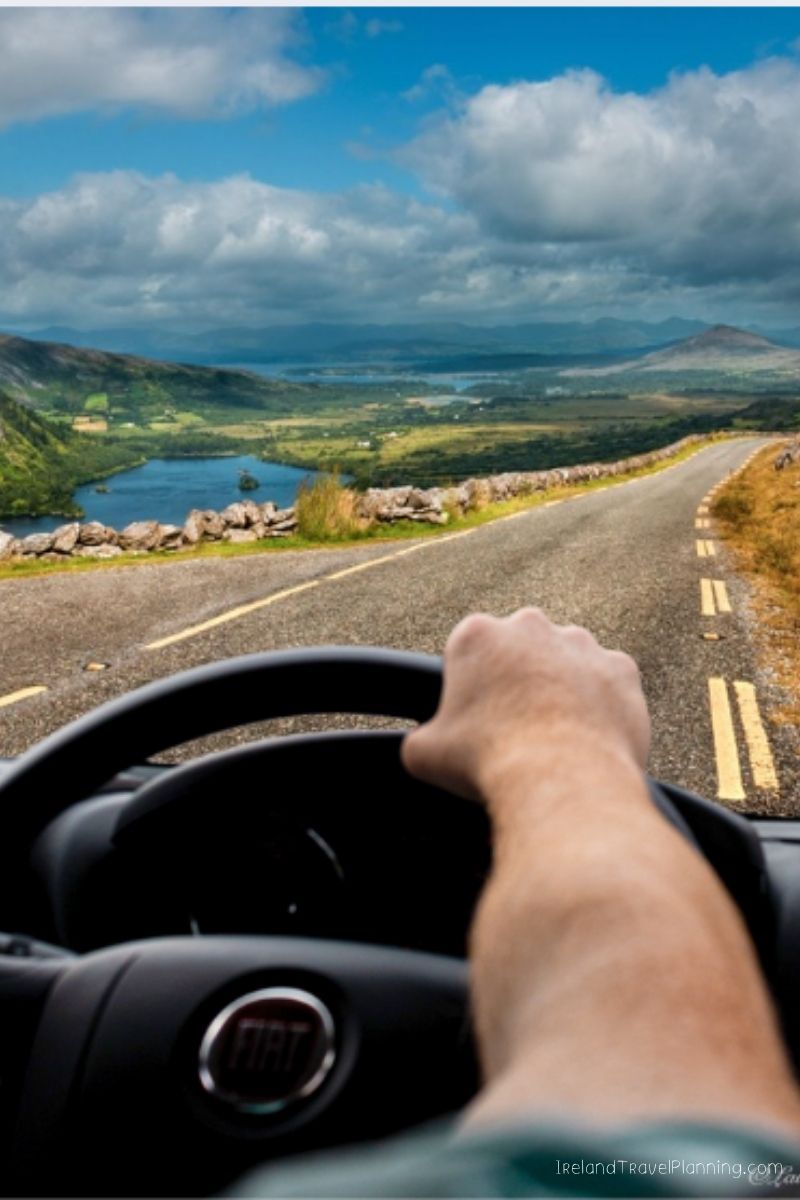
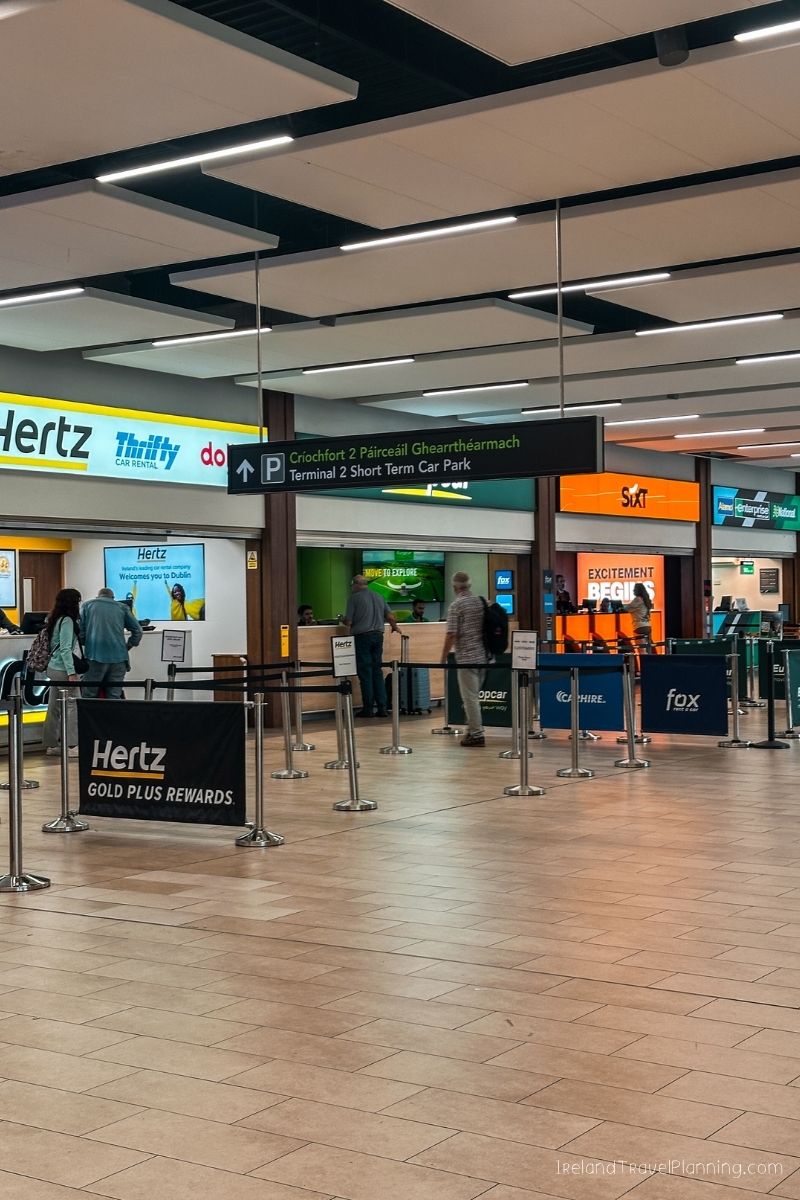
For many visitors, renting a car is one of the biggest expenses of the trip. It's also one of the easiest to underestimate.

When comparing prices, remember that the advertised daily rate rarely includes everything you'll end up paying.
I usually like using comparison tools like DiscoverCars to know exactly what's included in my rental.
Typical car rental costs
| Item | Typical cost |
|---|---|
| Economy car | €25 to €60 per day |
| Mid-size car | €50 to €90 per day |
| SUV | €70 to €140 per day |
| Automatic transmission surcharge | €10 to €30 per day |
| Fuel | Around €1.70 to €2.00 per litre |
| Tolls | Around €2.50 each (most toll roads) |
| Parking | Free to around €4.50 per hour, depending on location |
Additional costs to budget for
Before booking, make sure you've also considered:
- Insurance and excess cover
- Extra driver fees
- Fuel
- Parking
- Tolls
- Automatic transmission surcharge
- Young driver fees (where applicable)
- Credit card security deposits
Car hire is one thing, but feeling confident while driving in Ireland is another. If tolls, road signs, roundabouts or navigating rural roads are making you nervous, my Ireland Driving Toolkit brings the practical bits together so you can get your head around them before you arrive.
Public Transport Costs in Ireland
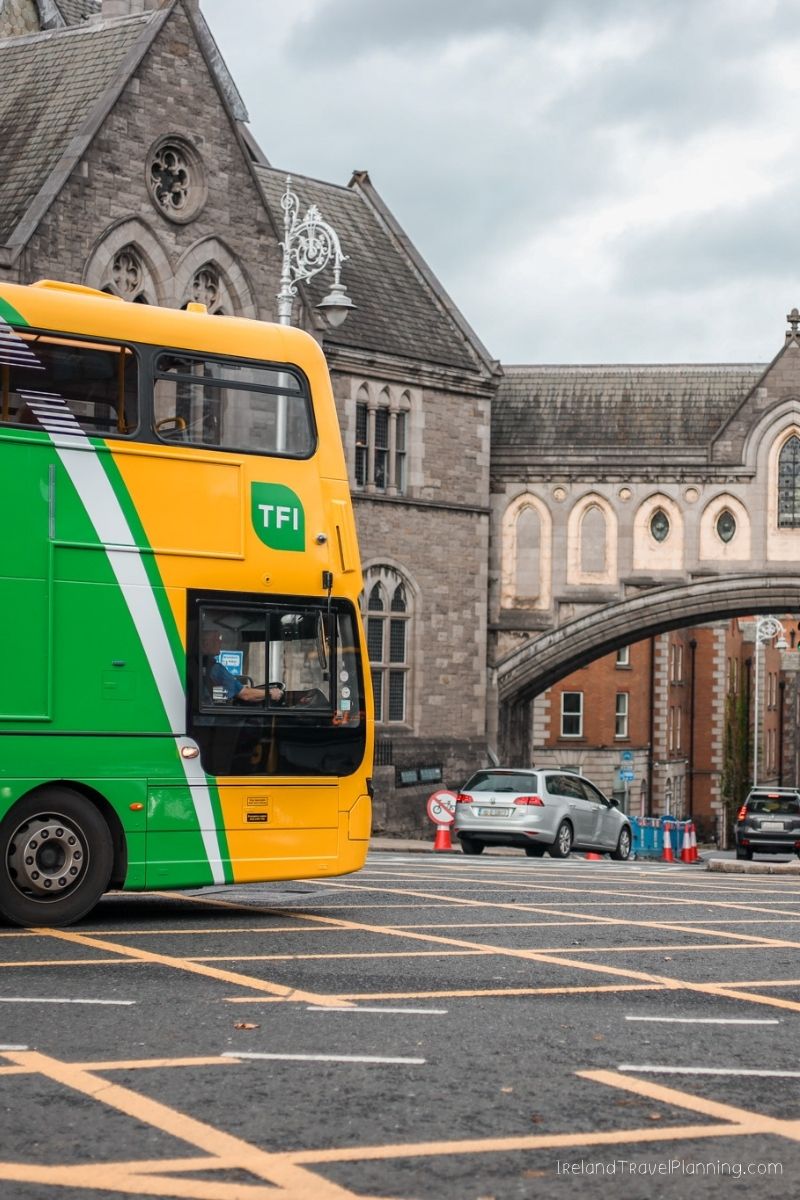
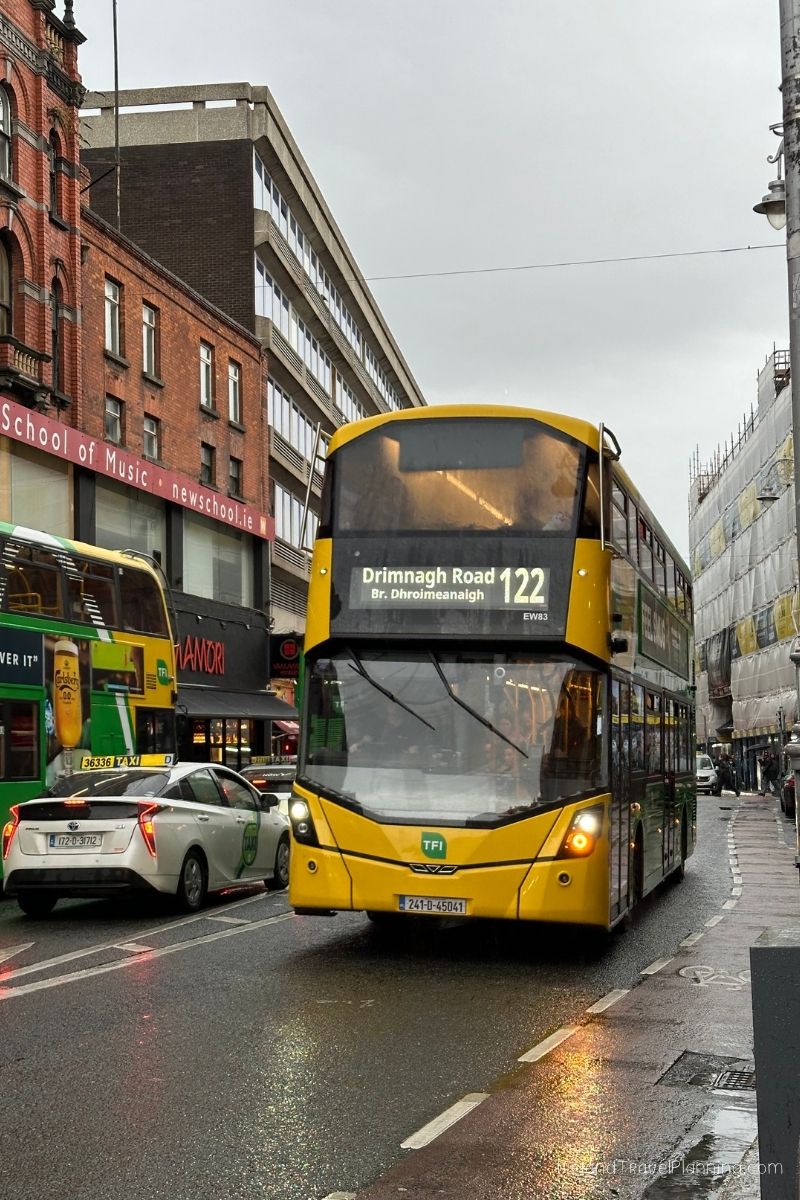
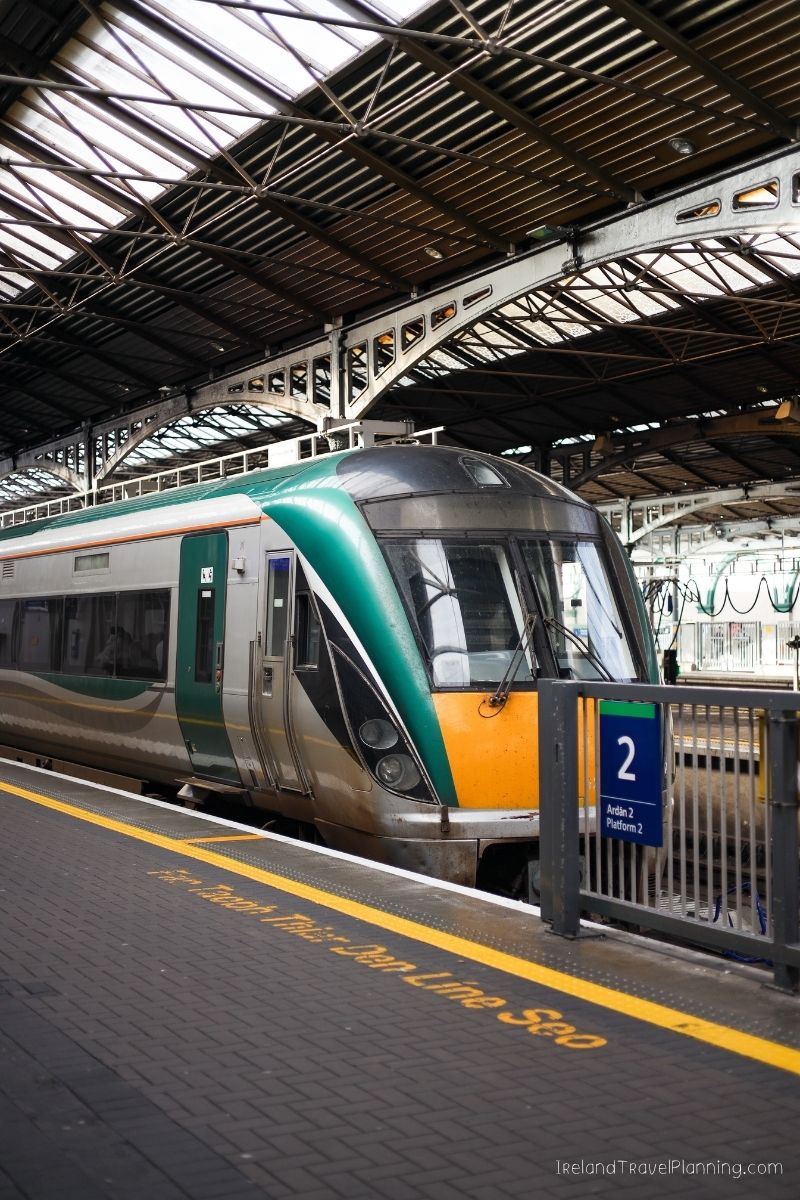
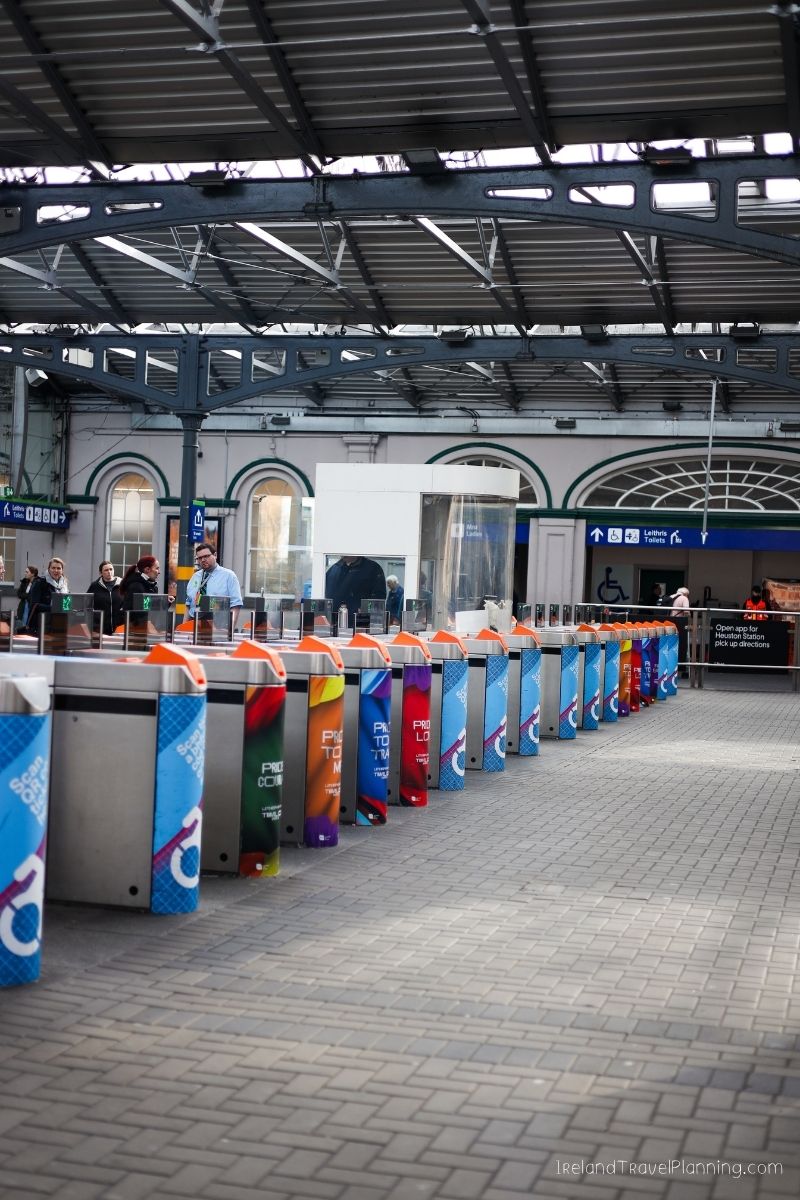
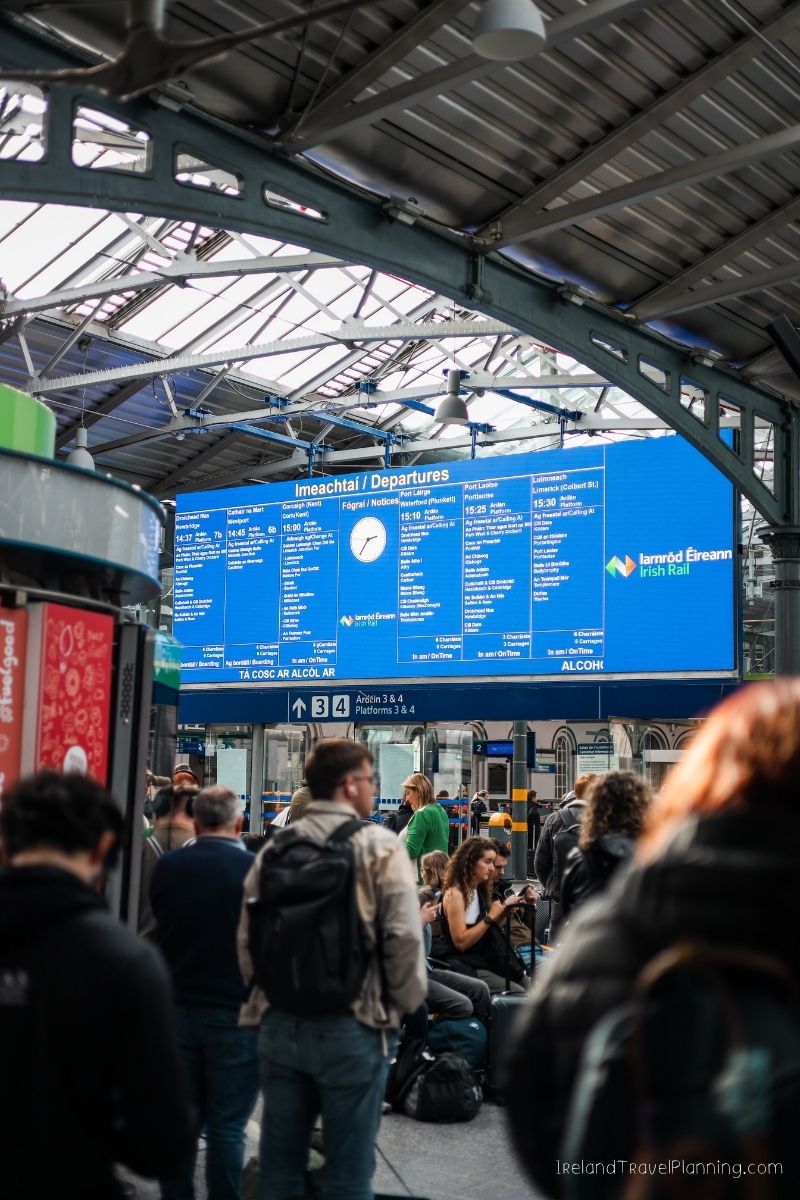
If you're sticking to Ireland's cities and larger towns, public transport is often the most budget-friendly option.
It's reliable in the main tourist areas and works particularly well for solo travellers or anyone not planning to venture too far off the beaten track.
Typical public transport costs
| Journey | Approximate cost |
|---|---|
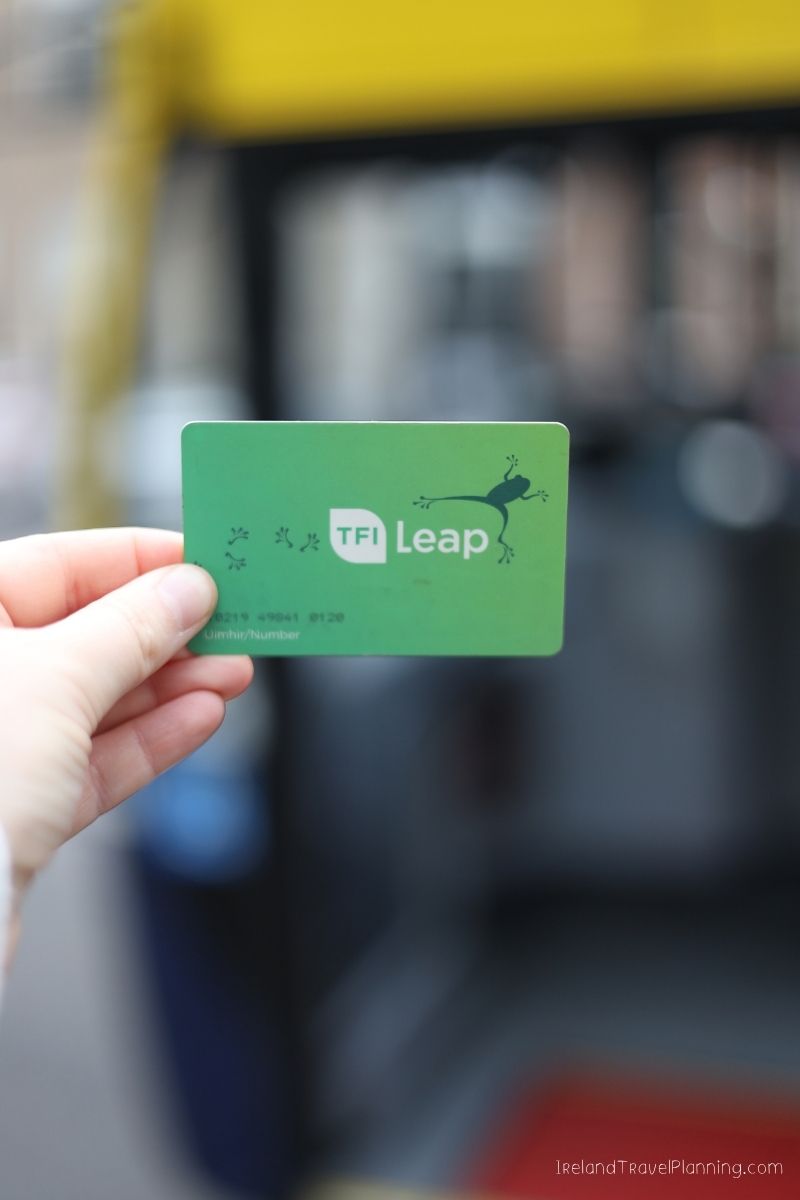
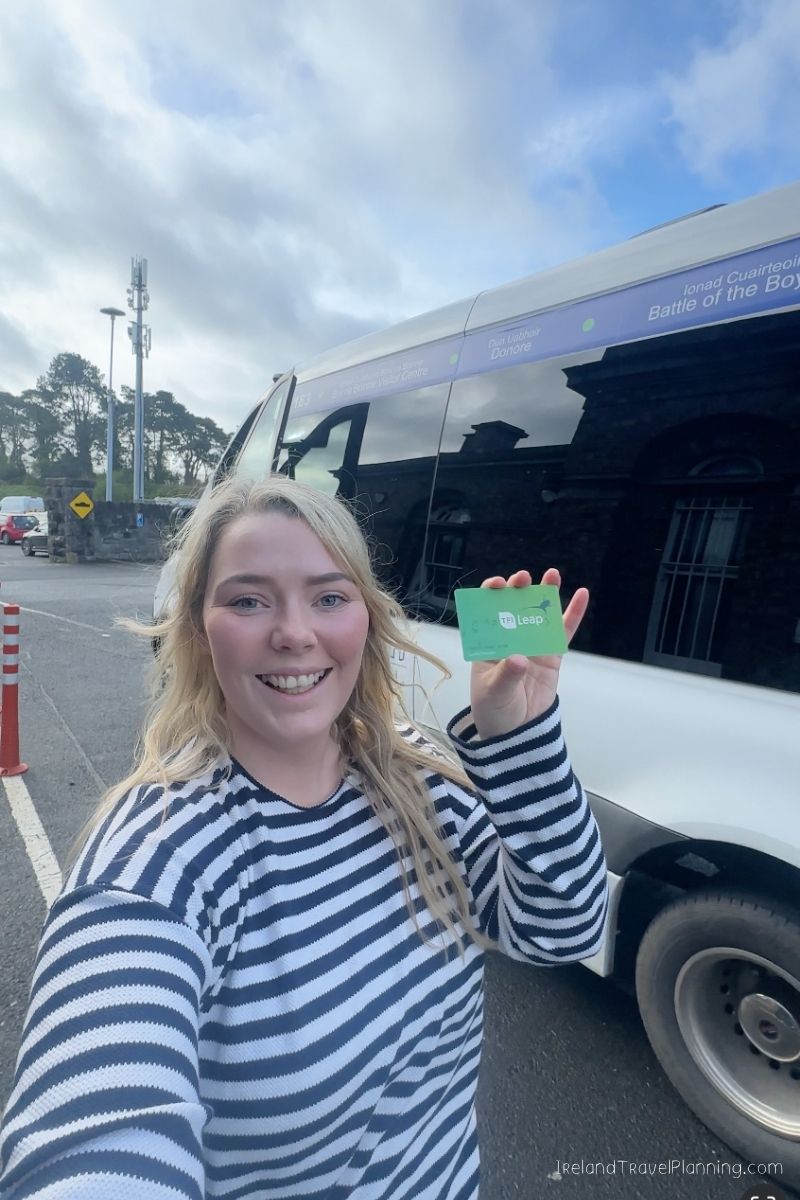
| Dublin bus, Luas or DART (Leap Card) | €2 a Journey (€8 a day cap) |
| Dublin to Galway (bus) | From €15 |
| Dublin to Cork (bus) | From €15 |
| Dublin to Belfast (bus) | From €12 |
| Dublin to Galway (train) | From €33 |
| Dublin to Belfast (train) | From €32 |
| Dublin to Cork (train) | From €69 |
Prices vary depending on how early you book, particularly for train travel.

If your itinerary includes Northern Ireland, remember that it uses Pound Sterling (£), not euro (€).
Most visitors simply use the same bank card throughout the trip, but it's worth checking whether your bank charges foreign transaction fees before you travel.
My Ireland Travel Guides are free to access. If they’ve helped you plan your trip, a virtual tip goes a long way in helping me continue to create them.

Organised Group Tours & Private Drivers
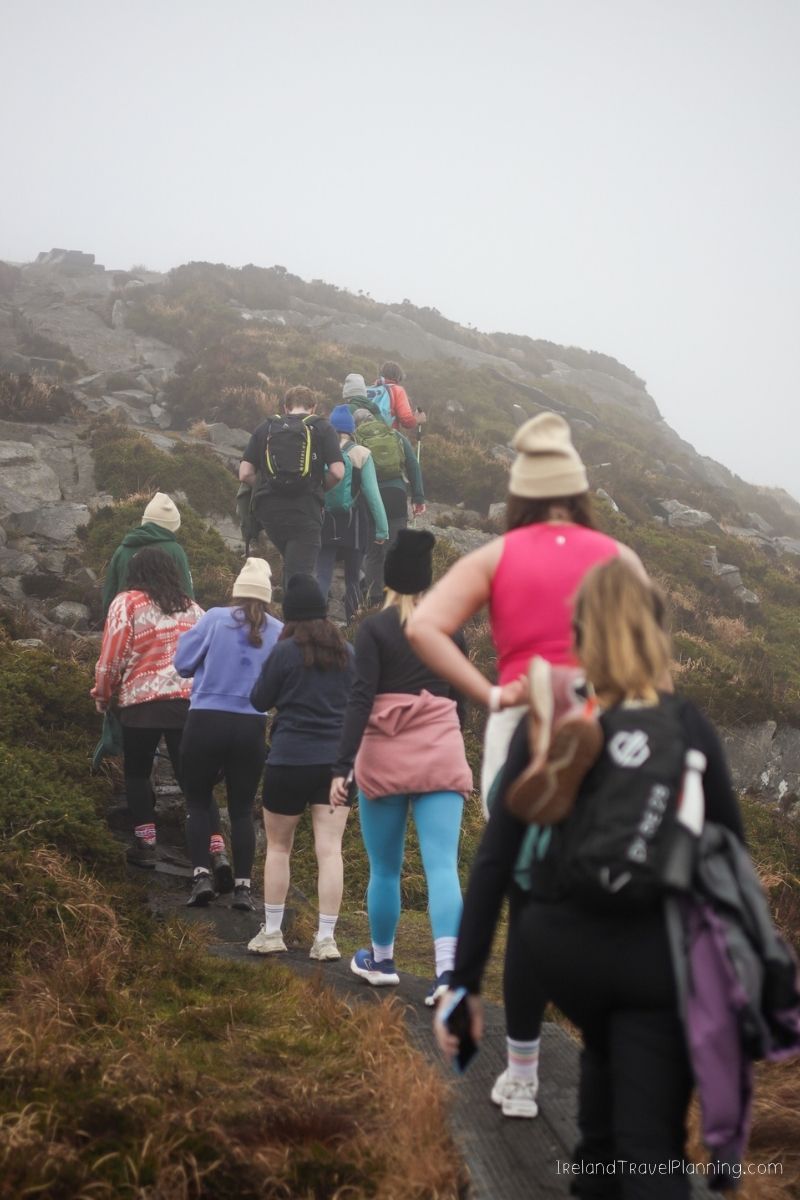
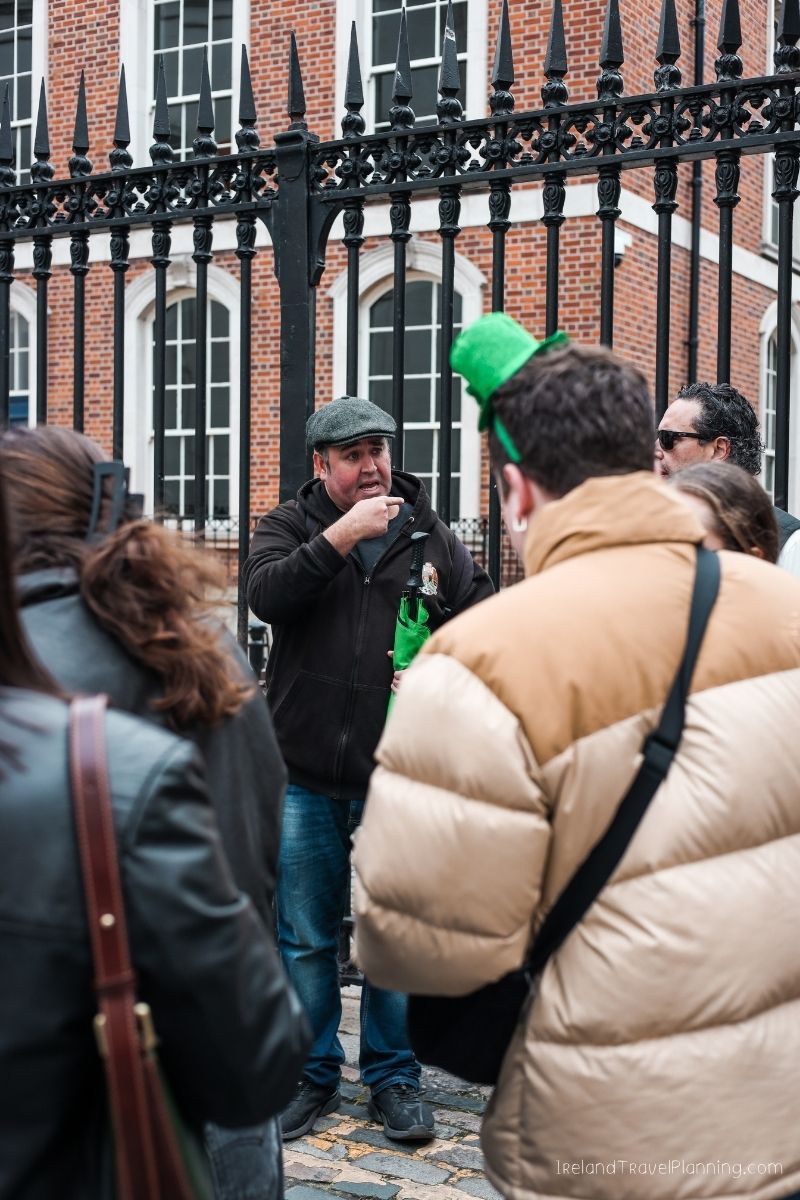
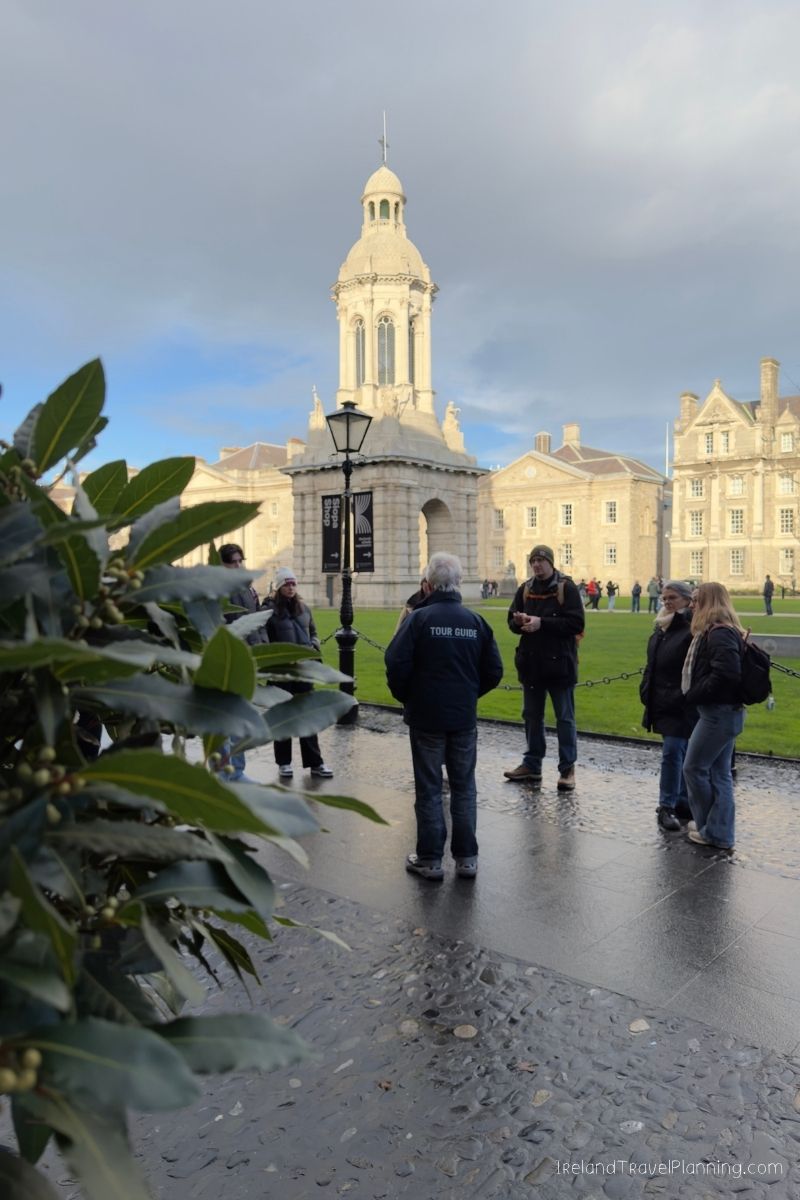
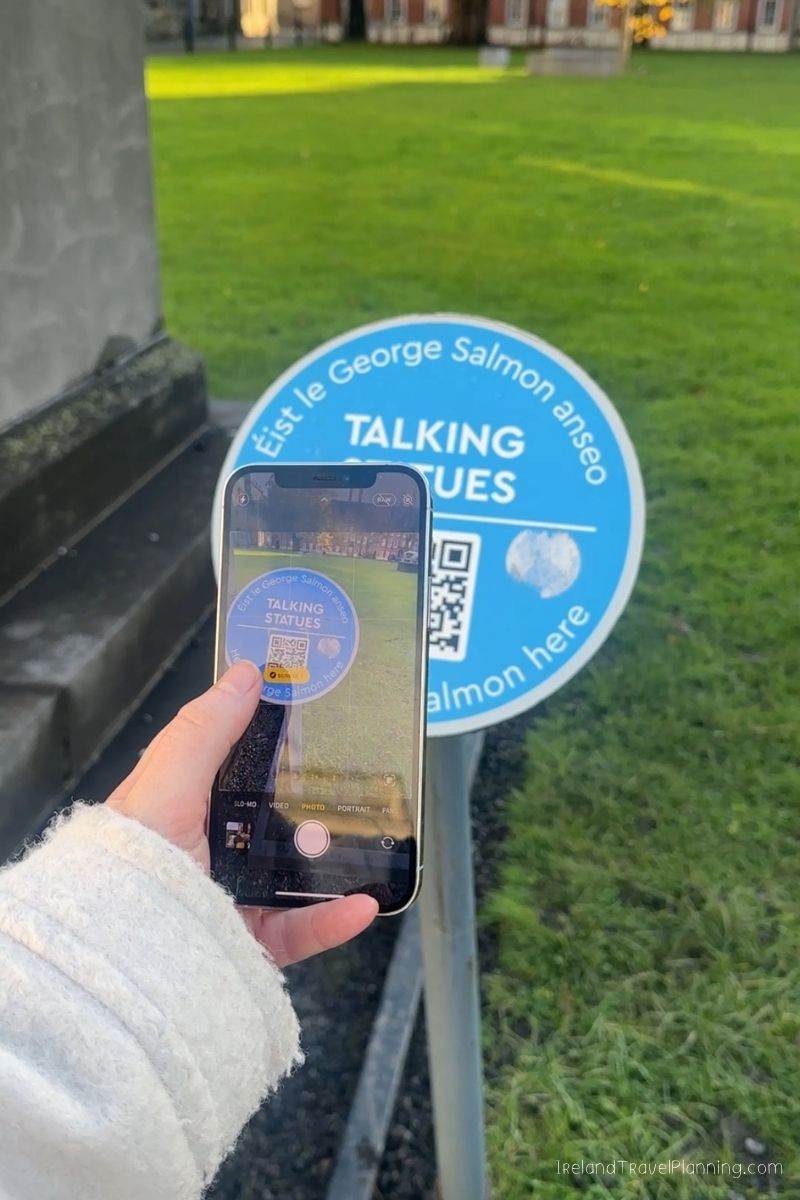
Not everyone wants to plan every hotel, route and activity themselves.
For some travellers, joining an organised tour or hiring a private driver is worth the extra cost for the convenience alone.
Typical costs
| Travel style | Average daily cost | Approximate 7-day cost |
|---|---|---|
| Organised group tour | €180 to €350 | €1,300 to €2,500 |
| Private driver | €600-€1,000+ | €3,000 to €6,500+ |
Phone Plans & eSIM Costs
Phone costs are one of the easiest things to forget when budgeting for Ireland.
If you're travelling from Europe, your existing mobile plan may already include roaming in Ireland. If you're visiting from outside Europe, it's worth comparing your options before you travel.
Typical phone costs for a one-week trip
| Option | Typical cost |
|---|---|
| eSIM | €5 to €15 |
| Home roaming plan (outside Europe) | €70 to €85+ |
| Local Irish SIM card | €20 to €30 |
Costs vary depending on your provider, data allowance and trip length.
My advice
One thing I've noticed from talking to American visitors is that many automatically use their home provider's roaming plan because it's familiar and feels like the easiest option.
For shorter trips, that can easily add up to around $12 a day with providers like AT&T and Verizon.
I'd recommend looking into an eSIM before you travel instead. I use Airalo as an easy option for this because you can choose your data plan and set it up before you leave home. Use the code IRELAND10 for 10% off.
They're usually much cheaper and mean you'll have mobile data as soon as you land. If you'll be relying on Google Maps to get around Ireland, it's one of those small things that makes travelling much less stressful.
❌ AVOID EXPENSIVE ROAMING CHARGES: An affordable eSIM plan is the perfect solution! Airalo eSIMs work seamlessly across Ireland with their quick, easy and affordable plans use the code IRELAND10 for 10% off. (ROI Deals & ROI & NI Plans)
Travel Insurance
Travel insurance is one of those costs that's easy to overlook when you're adding everything up.
Personally, it's never something I'd skip.
I've been injured abroad myself, and trust me, you never think it's going to happen to you until it does.
That’s why I’d check what cover you actually need rather than choosing the cheapest policy and assuming it will do.
VisitorsCoverage is useful for comparing different plans side by side, particularly if you’re unsure about medical cover, cancellations or what is and isn’t included.
I always recommend buying your travel insurance as soon as you've booked your trip, rather than waiting until just before you fly.
EXPLORE IRELAND
Tired of seeing the same generic locations in every Ireland Travel guide? I have just the thing for you!
As a local, I’ve handpicked hundreds of Google Maps pins across Ireland, featuring hidden gems, my favourite must-sees and pull-ins that most drive past.
Add them to your own Google Maps by signing up below.







Souvenir Costs
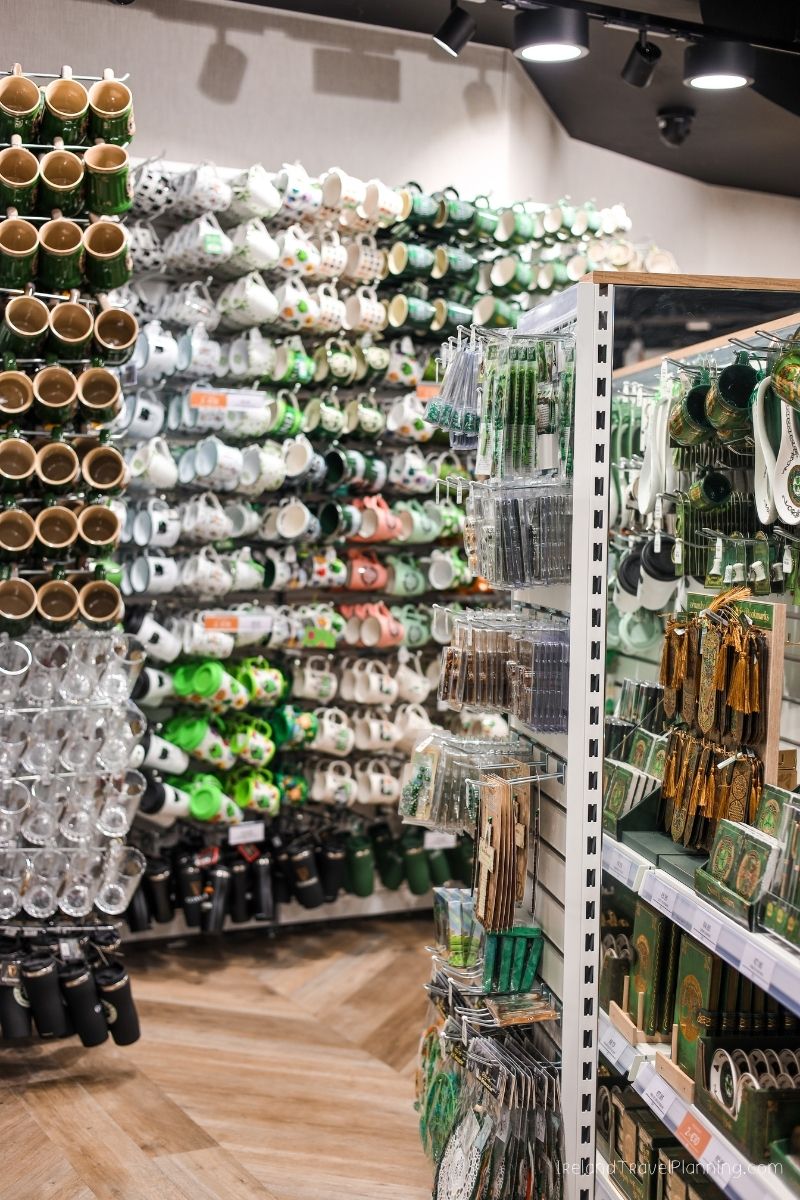
It's surprisingly easy to spend more on souvenirs than you planned.
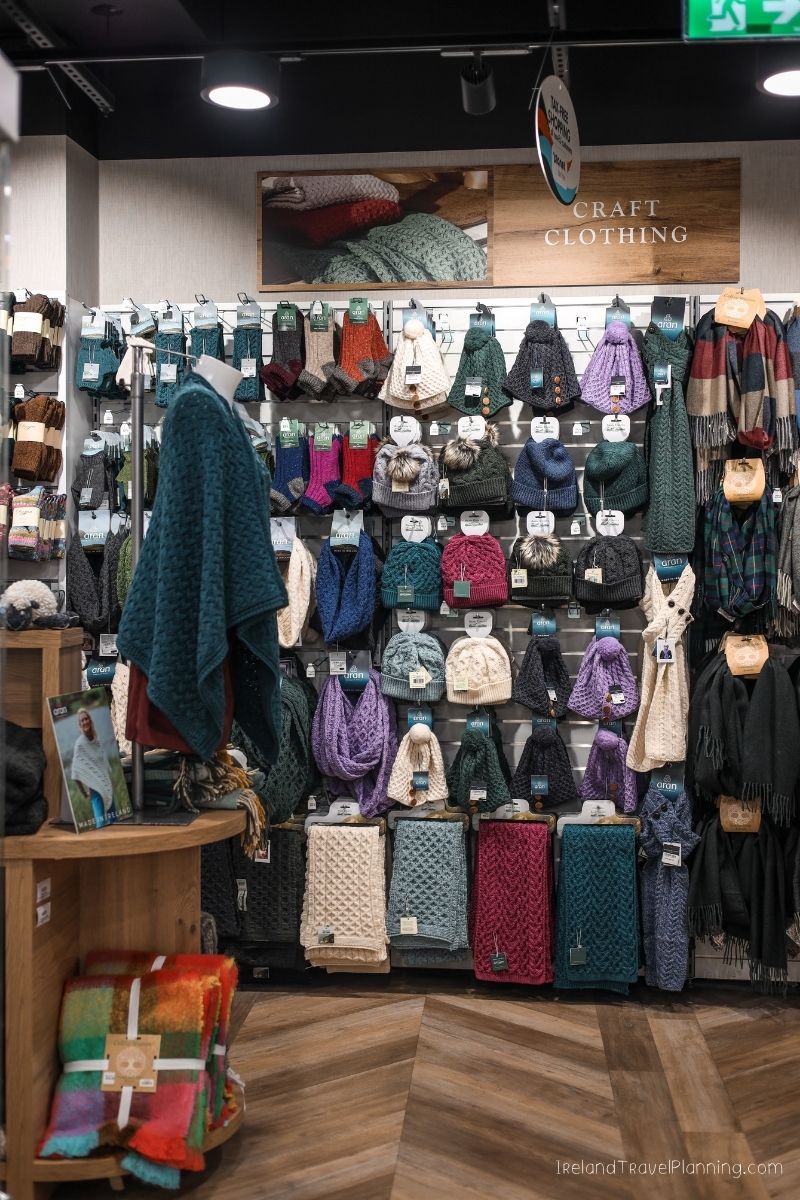
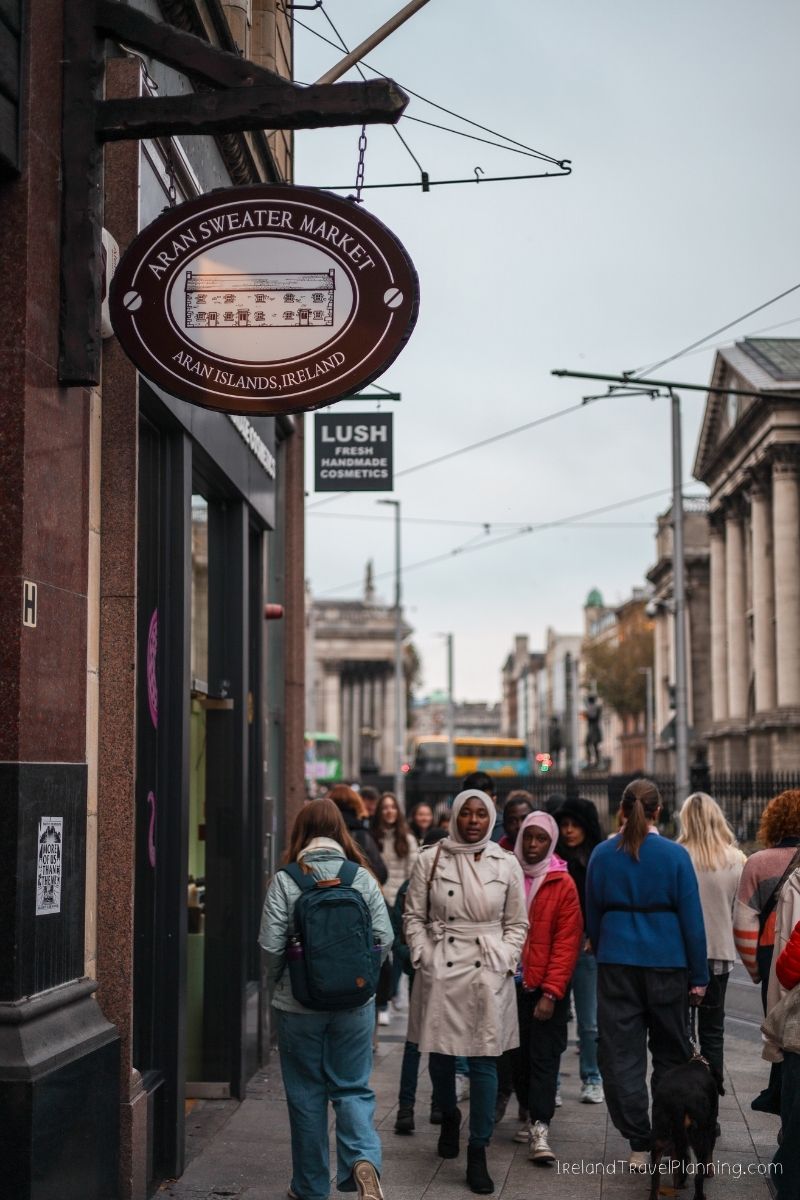
One gift turns into five, and before you know it you're trying to squeeze an Aran jumper into an already full suitcase.
Typical souvenir prices
| Item | Typical cost |
|---|---|
| Magnet | €5 to €8 |
| Claddagh ring | €30+ |
| Aran jumper | €60 to €150+ |
| Bottle of Irish whiskey | €30 to €80+ |
NEED A LAST-MINUTE PACKING FIX?
You'd be surprised how many visitors regret not packing waterproof trousers (like these) or a universal travel adapter (like this). That's why I created this Amazon essentials list for those last-minute packing needs.
Hidden Costs People Forget
Most people remember to budget for flights, hotels and attractions.
It's the smaller expenses that tend to catch them out.
Airport transfers
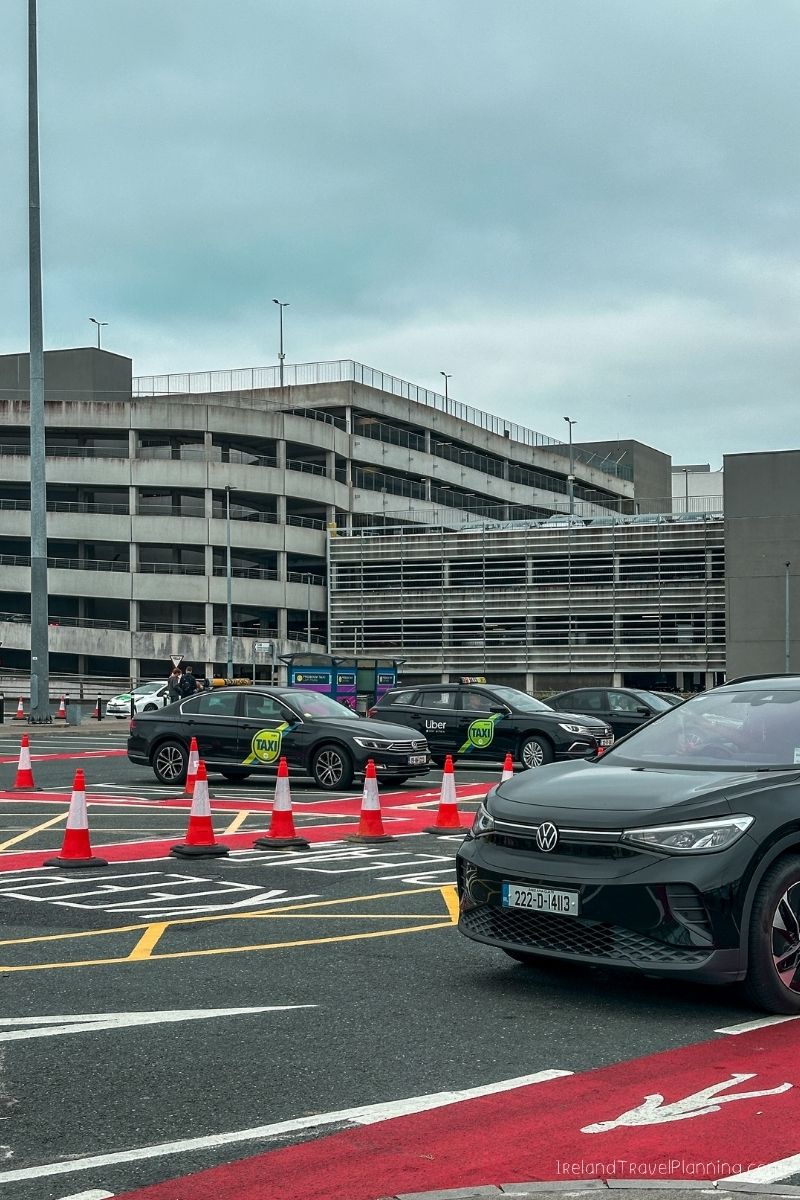
Whether you're taking a taxi, bus or private transfer, remember to include the cost of getting between the airport and your accommodation.
The bus will usually be the cheaper option, but after an overnight flight, with luggage and a hotel you’ve never been to, cheaper is not always the only thing that matters. A pre-booked transfer through Welcome Pickups gives you the cost upfront and means someone is waiting when you land
Currency conversion
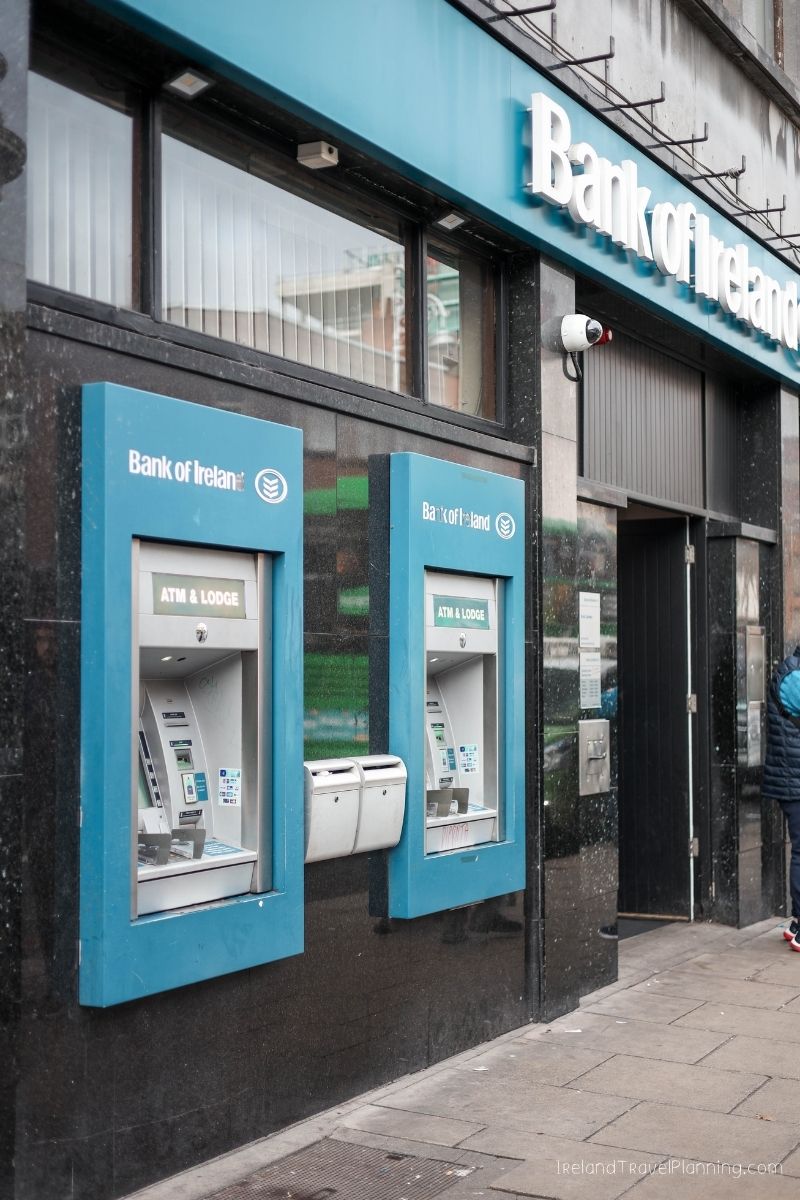
When paying by card or withdrawing cash, always let your own bank do the currency conversion rather than accepting the ATM's exchange rate.
It's usually the cheaper option.
ATM fees
Depending on your bank, international withdrawals may include transaction fees.
It's worth checking before you travel.
How much cash should you bring?
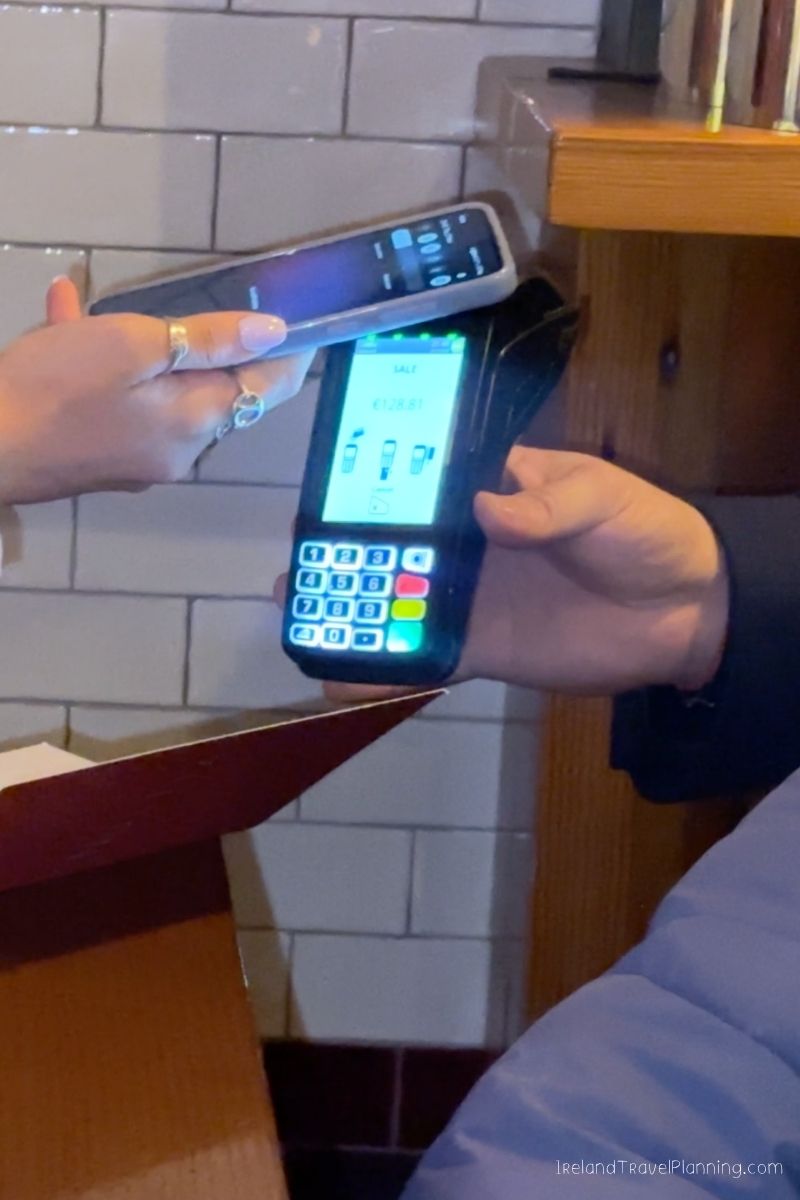
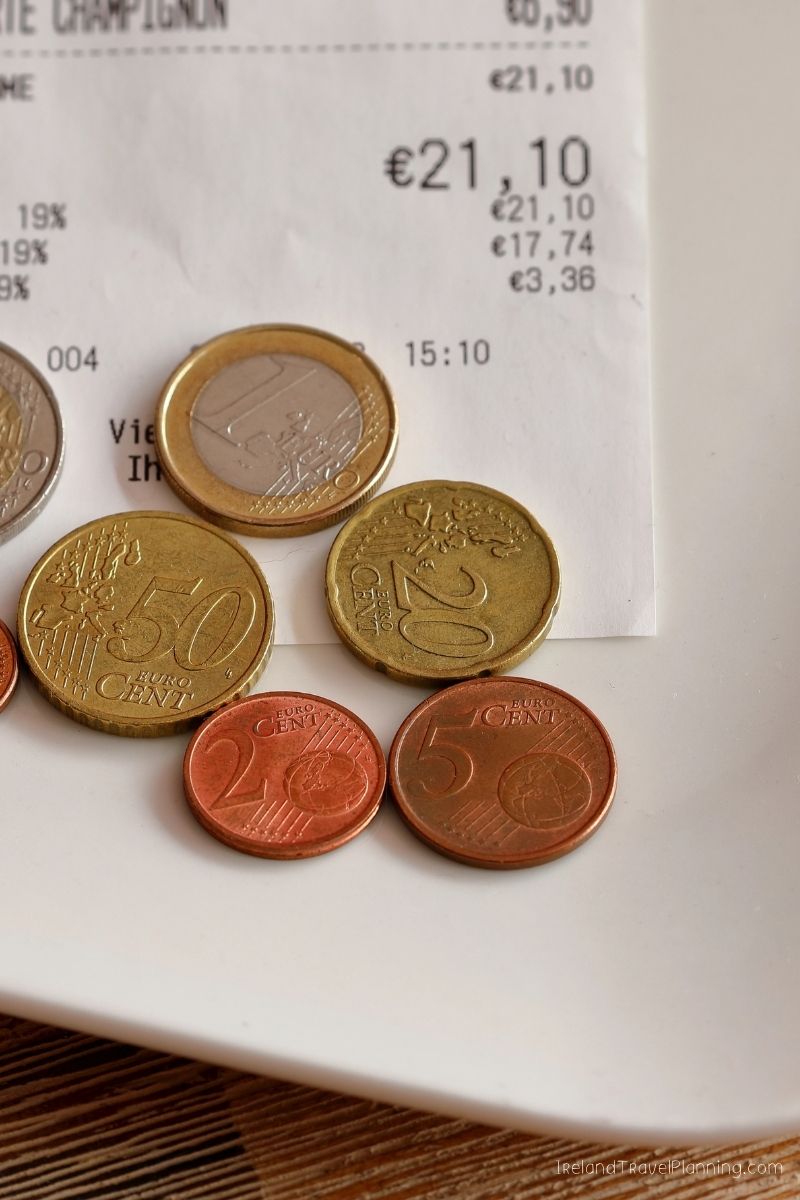
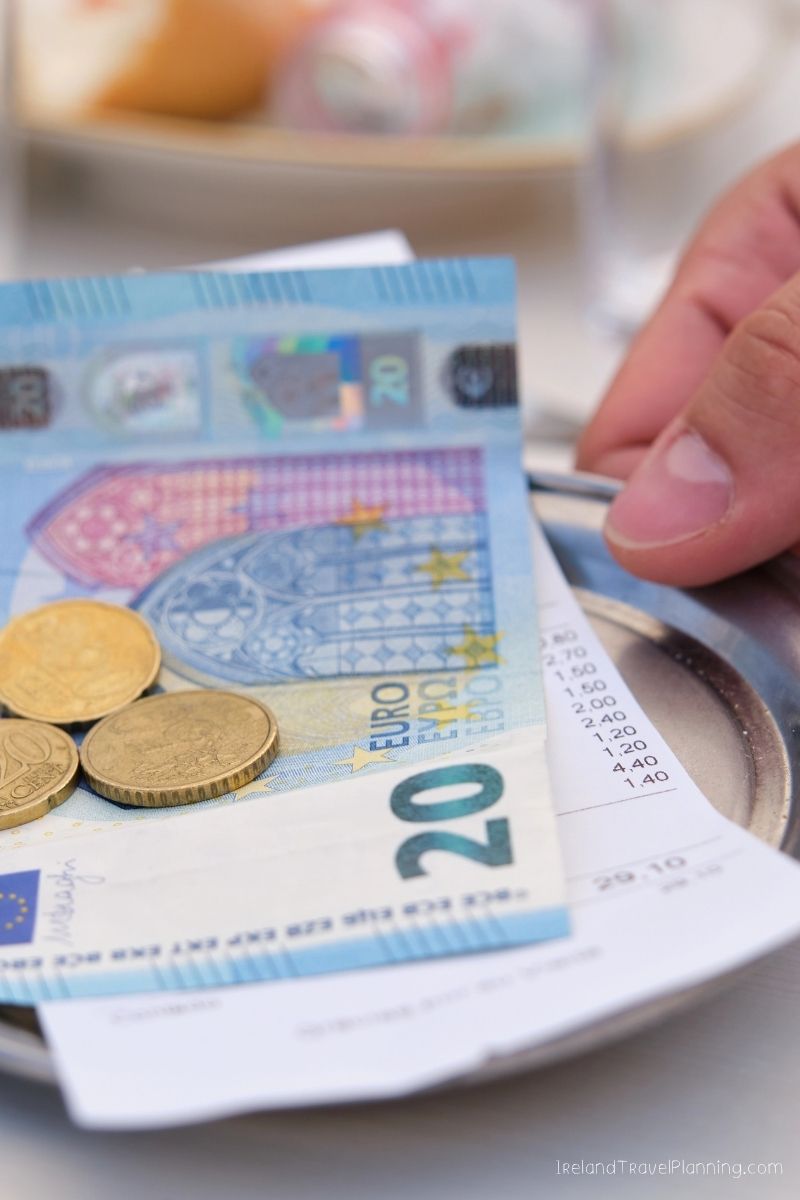
Ireland is very card-friendly, and I pay for almost everything by card myself. That said, I'd still recommend carrying around €50 to €100 in cash.
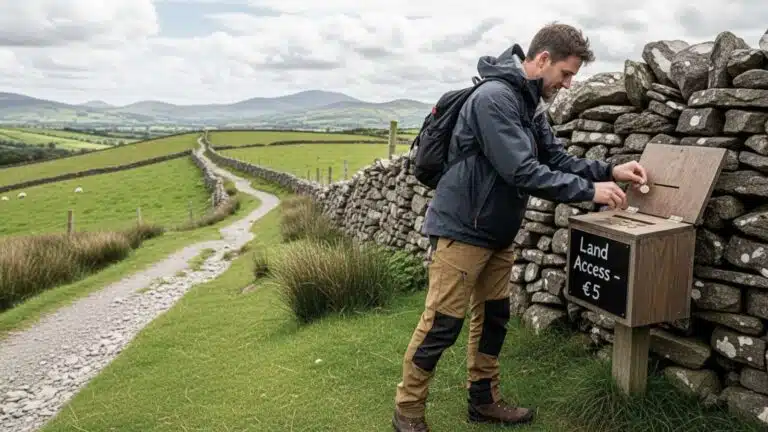
It can come in handy for honesty boxes, small cafés, markets, rural parking, the occasional card machine that's decided to take the day off, or simply having a backup if technology lets you down.
Tipping in Ireland
Tipping in Ireland isn't as expected as it is in countries like the United States.
Restaurants: Around 10–12.5% for good service if a service charge hasn't already been added.
Taxis: Most people simply round up the fare.
Tour guides or private drivers: A tip is very much appreciated for the service.
Pubs: You don't need to tip every time you order a drink but for table service, it's nice to round up the cost.
Snacks and coffees
They're only a few euro each, but they quickly add up over a week or two.
Laundry
If you're visiting for more than ten days, you may need to budget for using a laundrette or accommodation laundry service.
Luggage storage
Early arrivals and late departures sometimes mean paying to store your bags while you explore.
Forgotten essentials
Whether it's a rain jacket, phone charger or warmer jumper than expected, most people end up buying something they hadn't planned for.
If you want to be prepared for your trip and not forget anything, I highly recommend checking out my Ireland packing checklist. That will help you ensure that you're well and truly ready for your trip.
Pharmacy or medical visits
Hopefully you won't need them, but it's sensible to have a small buffer in your budget just in case.
Pack for Ireland
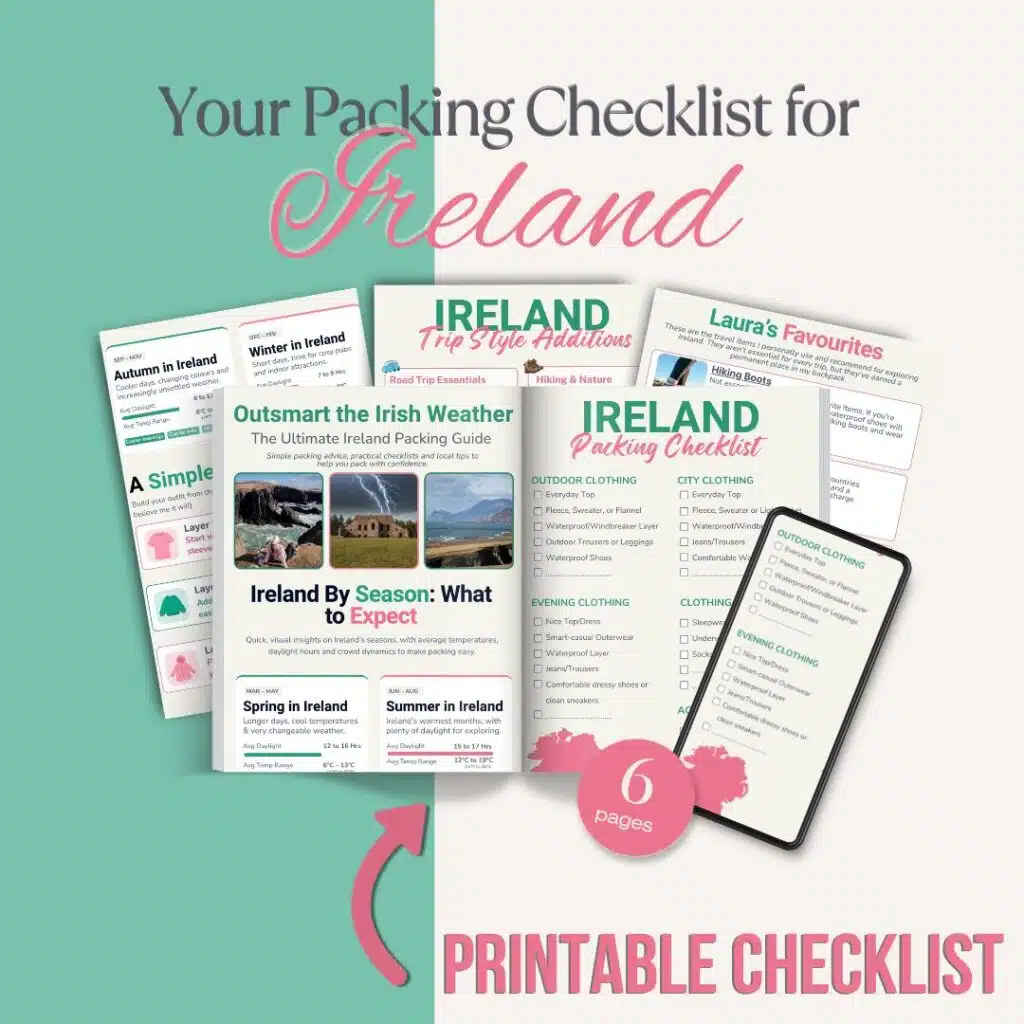
Never Wonder “Did I Forget Something?”
A printable Ireland packing guide created by a local, so you know exactly what to bring for Ireland.
✔ Complete packing checklist
✔ Seasonal additions
✔ Hiking & road trip essentials
✔ Local recommendations
What affects the cost of an Ireland trip the most?
Two people can spend the same number of days in Ireland and come home having spent completely different amounts.
These are the four things that make the biggest difference.
The time of year
Summer is the most expensive time to visit. Accommodation, flights, car hire and attractions all increase in price during June, July and August, with Dublin also becoming particularly expensive around St Patrick's Day.
If your dates are flexible, I'd look at:
- April
- May
- September
- October
You'll often get lower prices, fewer crowds and still have plenty of daylight for exploring.
Where you stay
Accommodation is usually the biggest expense for most people visiting Ireland, and it's often the reason one person's Ireland trip costs far more than someone else's.
A big factor in the cost is when you choose to visit, with summer being the most expensive time.
And, Dublin is where you'll notice it most. Once you leave the capital, you'll often find much better value in smaller towns and villages, so don't base your entire Ireland budget on Dublin prices.
How you get around
Public transport is usually the cheapest option, especially if you're sticking to Ireland's cities.
If you want to explore the Wild Atlantic Way or spend time in rural Ireland, I'd still say renting a car is worth the extra cost. The freedom to stop whenever you like completely changes the experience.
And if the thought of actually driving here is what's worrying you the most, my Ireland Driving Toolkit will help you prepare for the roads, tolls and signs before you go. It’s there to make the practical side feel less daunting, not to convince you that driving is your only option.
If driving isn't for you, organised tours or a private driver are both great alternatives.
If you’d rather avoid driving but still want to see places beyond the main cities, it’s worth looking at the organised day trips available through GetYourGuide.
They can take a lot of the route planning out of the day, particularly for places that are awkward to reach by public transport.
Drive in Ireland
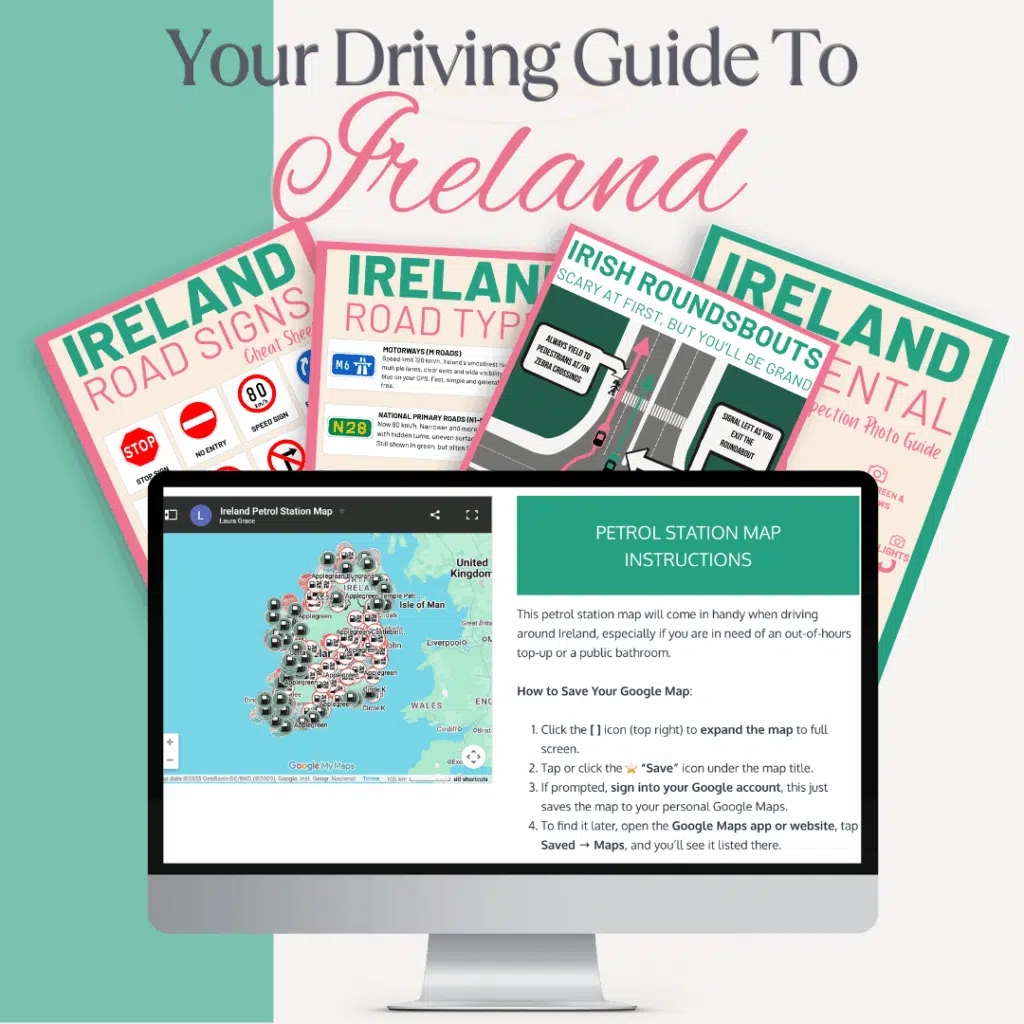
Feeling nervous about driving in Ireland? You’re not the only one… and you don’t have to figure it out alone.
The Ireland Driving Toolkit is a practical guide with clear local advice and no guesswork.
✔️ Custom Google Maps with petrol stations and toll roads mapped out.
✔️ Cheat sheets for roundabouts, road signs and km to miles.
✔️ Straightforward tips on tolls, navigation and what to expect on different road types.
Plus, the small local details most guides skip, but make all the difference once you’re here.
Who you're travelling with
Travelling solo is usually the most expensive option per person because you can't split accommodation, car hire or fuel with anyone else.
Couples often get the best value, as they can divide hotel rooms, rental cars, parking and petrol between two people.
Families naturally spend more overall, but the cost per person can actually work out lower thanks to family rooms, child rates and shared transport.
If you're travelling as part of a group, even private drivers or guided tours can become surprisingly affordable once the cost is split.
Your priorities
This is the biggest factor of all.
There isn't a right or wrong way to budget for Ireland.
Personally, I'm happy to save money on food by cooking some meals if I'm staying somewhere with a kitchen. I'd much rather spend that money on experiences like Skellig Michael or a boat trip to one of Ireland's islands.
Someone else might do the opposite and happily spend more eating out every day.
The best budget is the one that matches your travel style.
Spend money on the parts of the trip you'll remember, and save money on the ones you won't.
☘️ DISCOVER UNIQUE ACTIVITIES WHILE IN IRELAND: Check out GetYourGuide & Viator for unique things to do, like a DIY Claddagh Ring Workshop in Dublin or a street food walking tour with a local.






Attraction and Tour Costs in Ireland
One thing that often surprises people is that attractions usually aren't the biggest part of their budget.
Accommodation, transport and food almost always cost more.

Ireland's scenery does a lot of the heavy lifting for free.
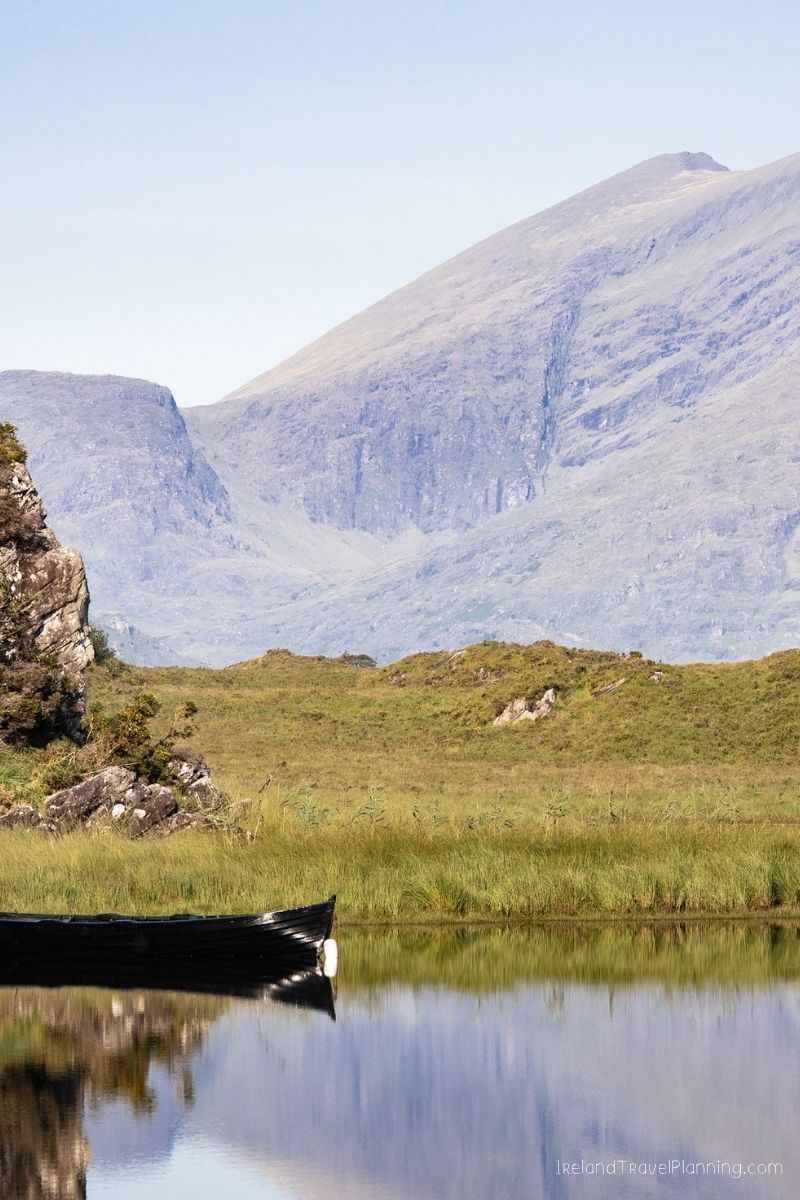
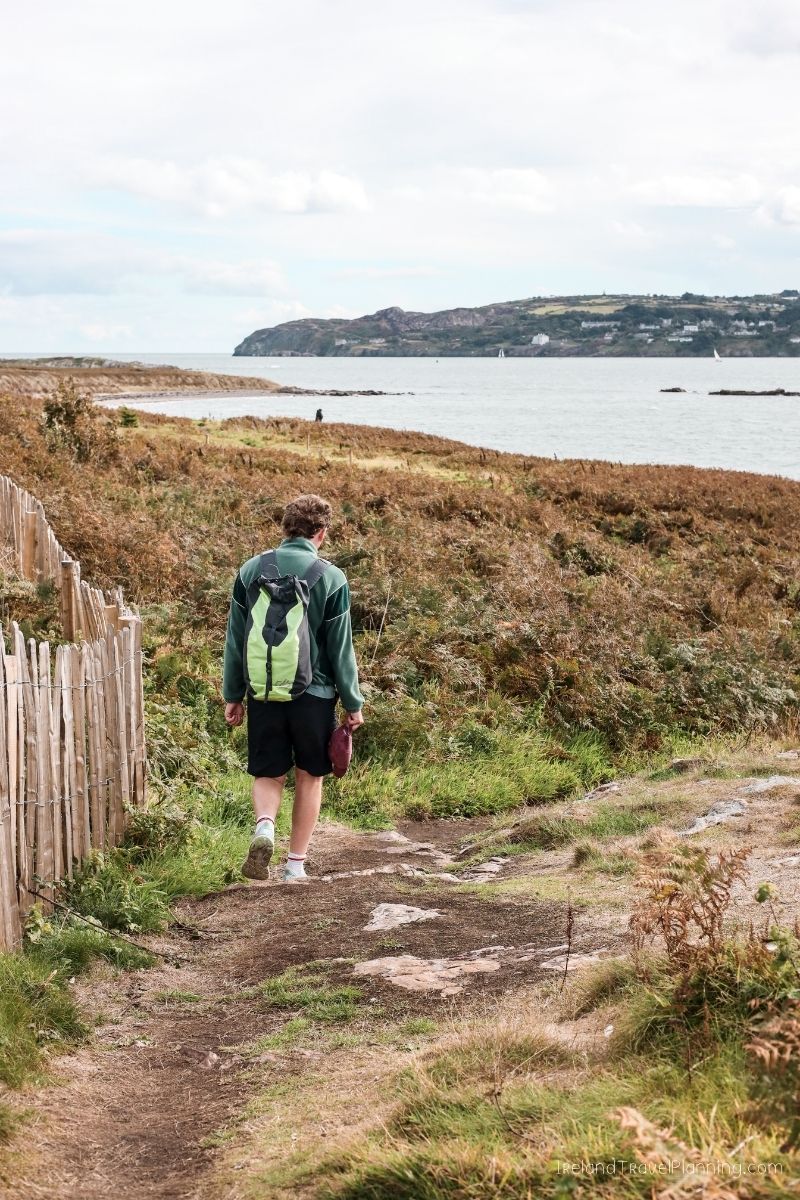
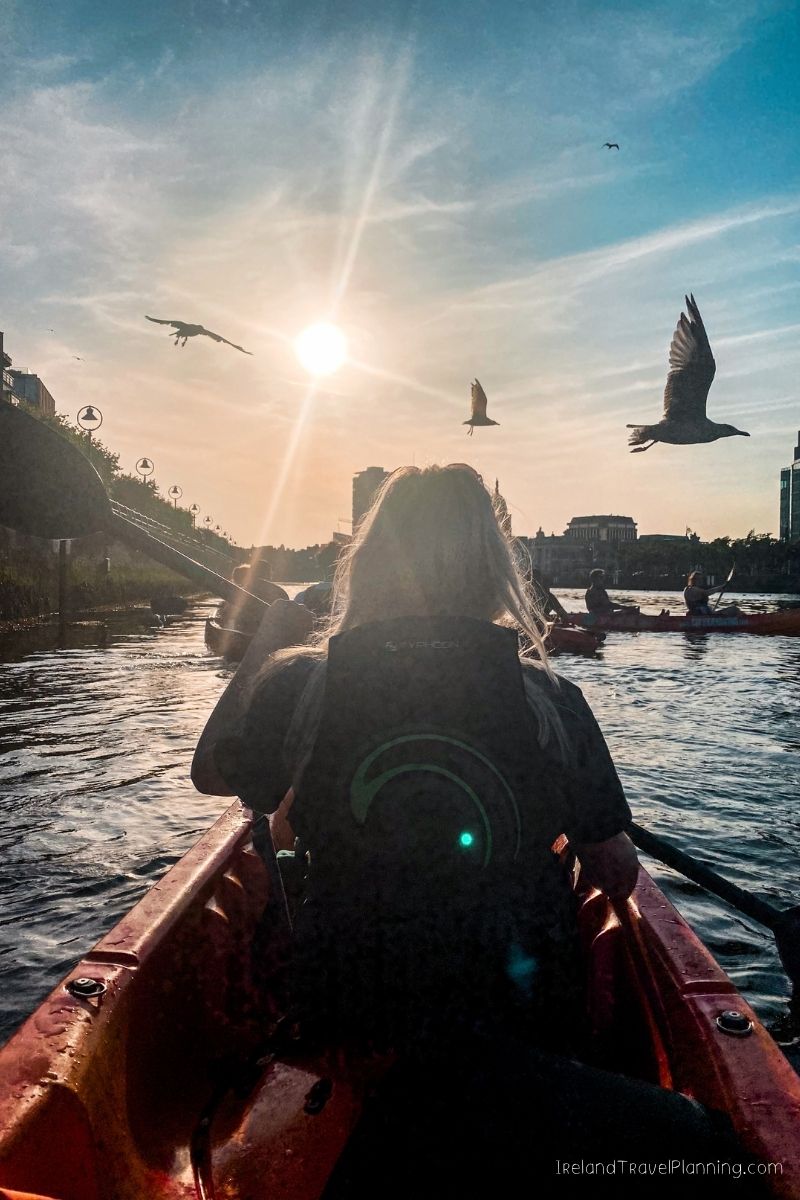
Some of my favourite places in the country haven't cost me anything to visit. Beaches, coastal walks, mountain passes, national parks and tiny villages are often completely free to enjoy.
Typical attraction costs
If you're planning to visit some of Ireland's best-known attractions, here's a rough idea of what to budget.
| Attraction | Typical price |
|---|---|
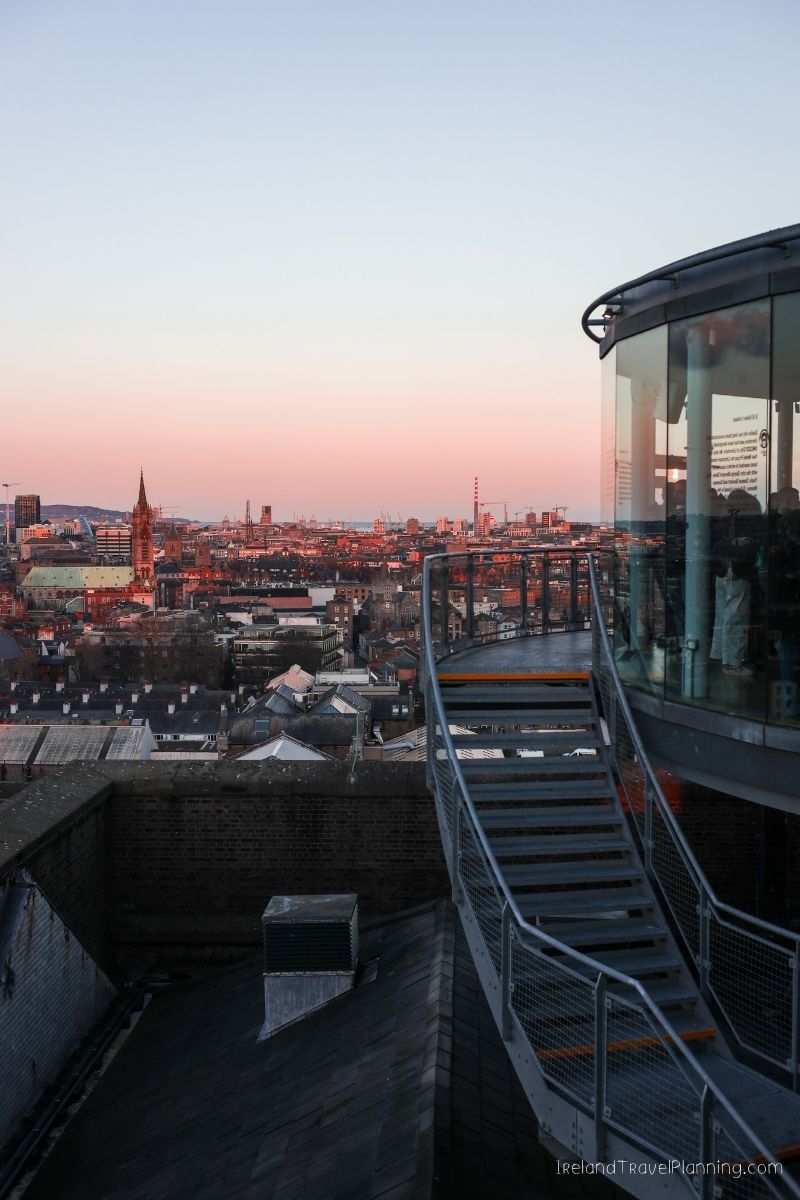
| Guinness Storehouse | €20 to €31 |
| Blarney Castle | €20 to €22 |
| Book of Kells | €18.50 to €25 |
| Christ Church Cathedral | Around €10.50 |
| Kylemore Abbey | Around €18 |
Organised day tours generally start from around €30 to €75, while more specialised experiences can cost considerably more.
Prices vary quite a bit depending on the distance, group size and what’s included, so I’d compare a few options before setting your activities budget.
GetYourGuide is useful here because you can see the length of the tour, meeting point and recent reviews together, rather than comparing the price alone.
Easy Ways to Reduce the Cost of Your Ireland Trip
You don't have to sacrifice the experience to save money. These are the changes I'd make first.
Travel during shoulder season
April, May, September and October usually offer the best balance of lower prices, smaller crowds and decent weather.
Spend fewer nights in Dublin
Dublin is almost always the most expensive stop on an Ireland itinerary.
If your plans allow, spend a couple of nights in the capital before exploring some of Ireland's smaller towns and villages, where accommodation is often much better value.
Mix paid attractions with free experiences
Some of Ireland's best experiences don't cost anything.
Mix paid attractions with beaches, coastal walks, scenic drives, national parks and smaller historic sites to stretch your budget without feeling like you're missing out.
Stay somewhere with a kitchen
Cooking even one meal a day can noticeably reduce your food budget.
Supermarkets like Lidl, Aldi, Tesco and SuperValu all have excellent ready-made meals, fresh bakery sections and picnic supplies.
Use attraction passes when they'll actually save you money
The OPW Heritage Card and Dublin Pass can both offer excellent value, but only if you're planning enough included attractions to justify buying them.
What is the OPW Heritage Card?
If you're planning to visit several of Ireland's state-run heritage sites, the OPW Heritage Card is one of the easiest ways to save money.
An adult card costs €40 and gives you unlimited entry to dozens of OPW sites throughout the Republic of Ireland.
Popular attractions include:
- Kilmainham Gaol (Dublin)
- Rock of Cashel (Tipperary)
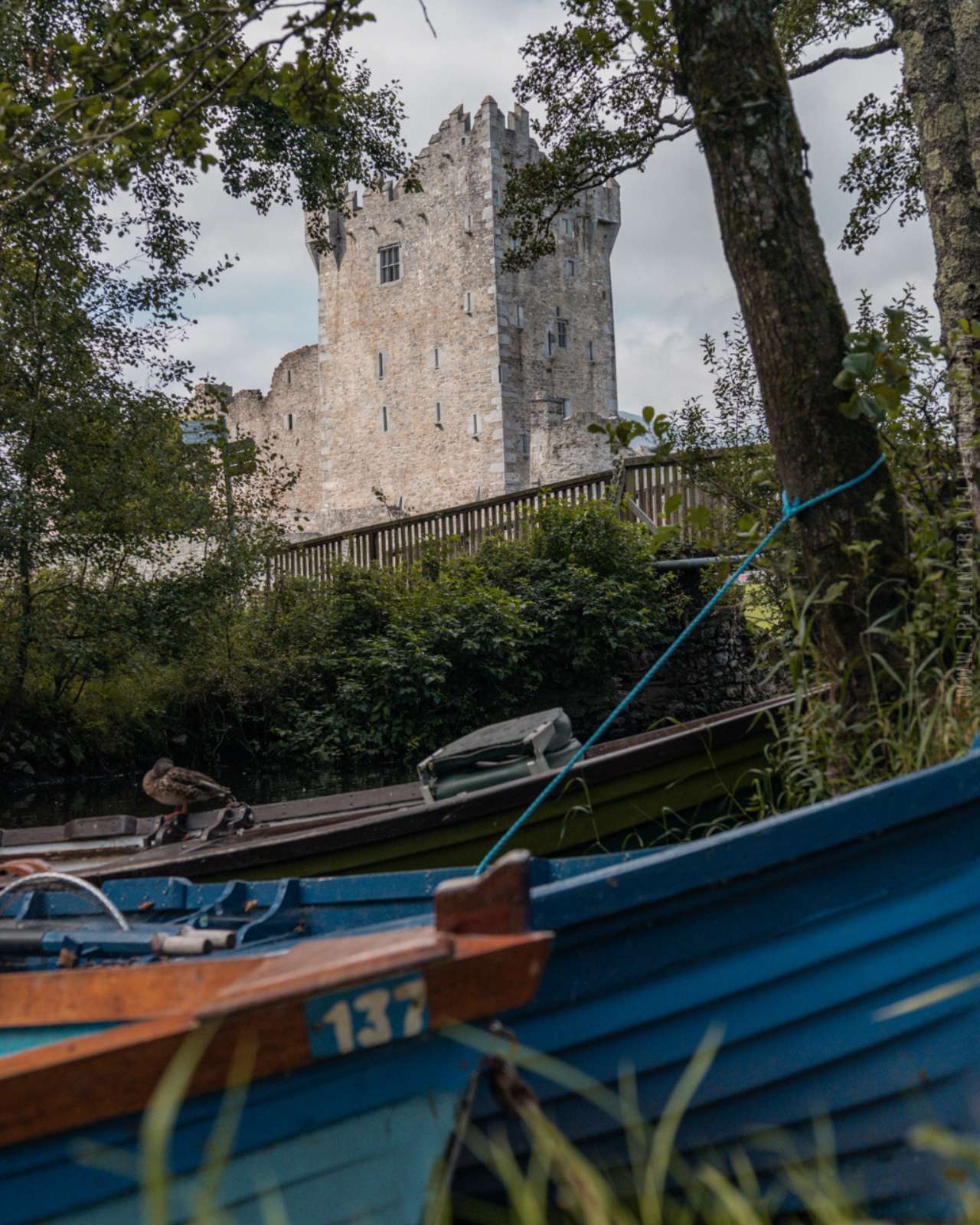
- Ross Castle (Killarney)
- Muckross Traditional Farms (Killarney)
- Charles Fort (Kinsale)
If you're planning to visit five or more participating sites, it usually pays for itself.
Just remember that it only covers OPW-managed attractions. It doesn't include privately owned sites such as Blarney Castle, Bunratty Castle or Kylemore Abbey.
What Is the Dublin Pass?
If you're planning to spend a couple of days sightseeing in Dublin, it's also worth looking at the Dublin Pass.
It includes many of the city's biggest attractions, including places such as:
- Guinness Storehouse
- Jameson Distillery Bow St.
- Dublin Zoo
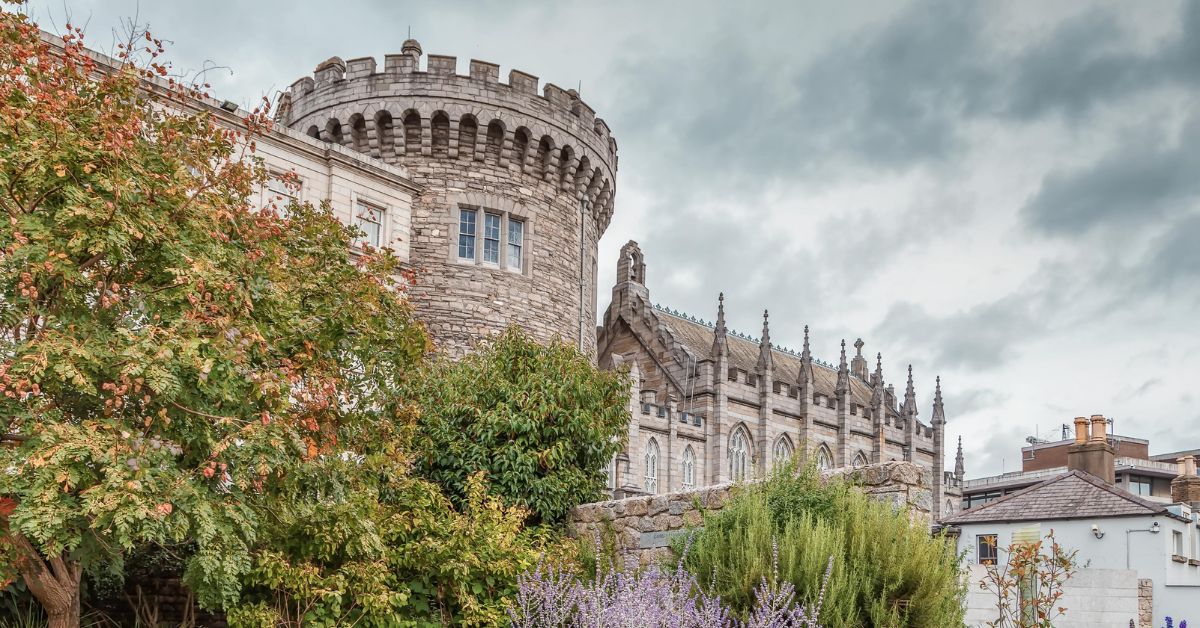
- Christ Church Cathedral
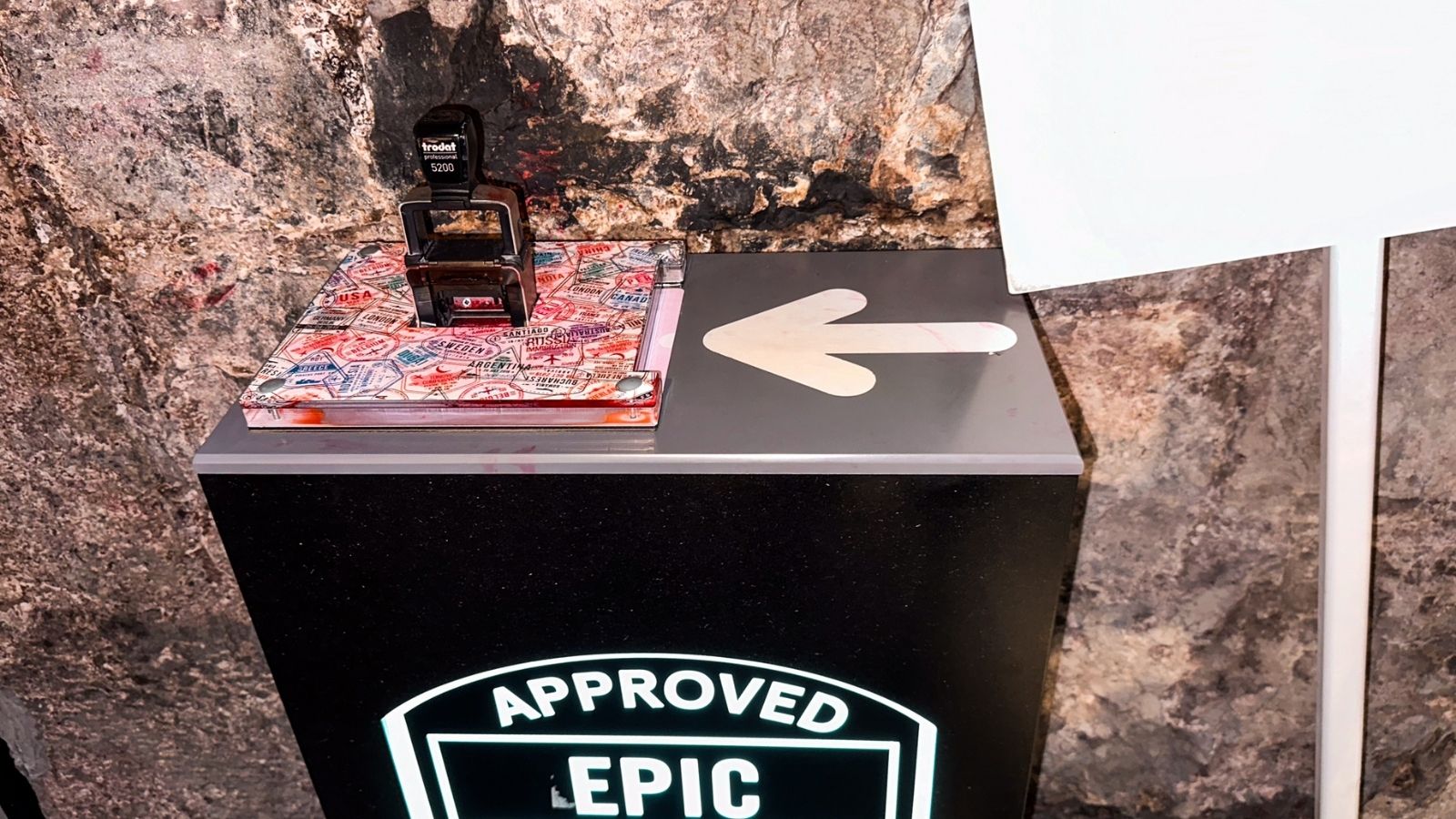
- EPIC The Irish Emigration Museum
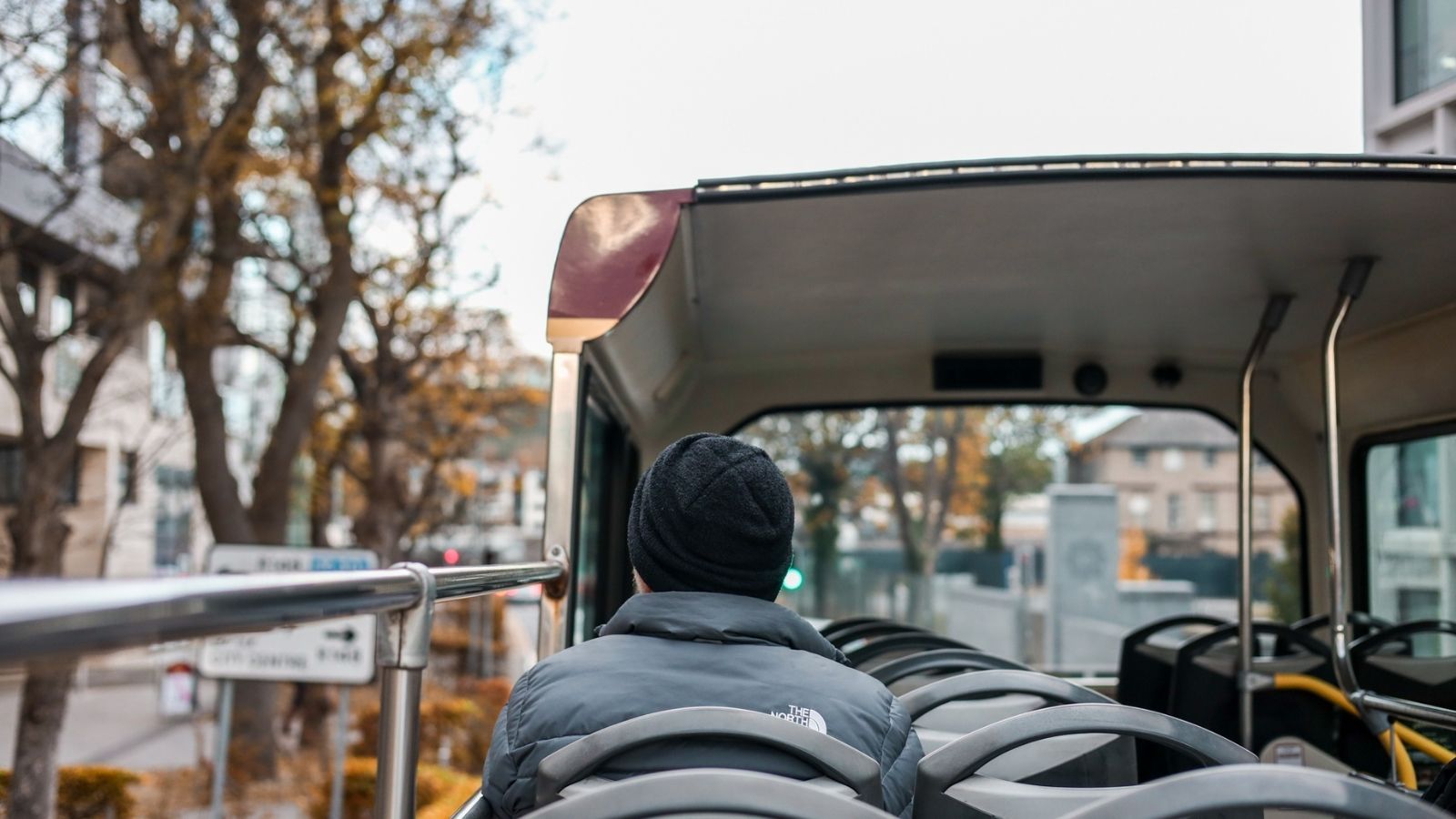
- Big Bus Dublin
Like the OPW Heritage Card, the Dublin Pass only makes sense if you're already planning to visit several included attractions.
If you're only ticking off one or two, you're usually better off buying individual tickets.
The Dublin Pass is mainly about attraction entry, so it won’t help with the everyday questions that tend to come up once you arrive.
If you’d like the practical side of the city in one place, my Dublin App covers things like public transport, airport transfers, toilets, ATMs, pharmacies and the bits you’d otherwise end up Googling as you go.
Explore Dublin
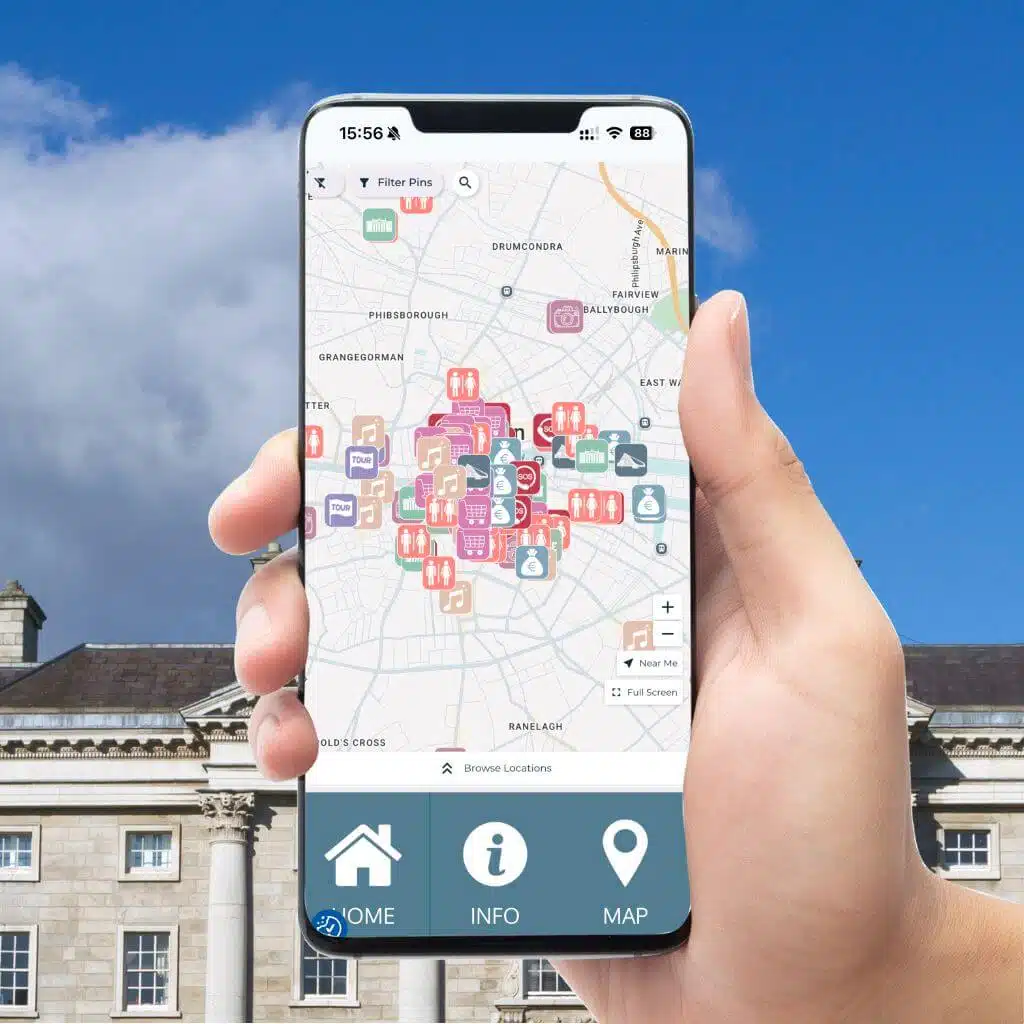
Arriving in Dublin and not sure where to start? It’s the small, practical things that tend to catch people out…
The Dublin App is designed to give you clear, easy access to the information you actually need, all in one place.
✔️ An interactive map showing key locations across the city, from top attractions to everyday essentials
✔️ Live location and directions so you can navigate Dublin with confidence
✔️ Practical information like ATMs, public restrooms, pharmacies, and where to find what you need
✔️ Guidance on getting to and from the airport and using public transport
✔️ Quick access to booking links and useful resources while you’re on the go
It’s everything you don’t realise you need… until you’re standing in the middle of the city trying to figure it out.
What I Wouldn't Cut From My Budget
If I were planning my own trip, these are the things I'd still prioritise.
- Travel insurance.
- A realistic amount of time in each destination.
- A rental car if my itinerary depends on exploring rural Ireland.
- One memorable experience that's genuinely worth splurging on.
Trying to make every part of your trip as cheap as possible often ends up making the whole holiday more stressful.
My biggest budgeting advice
If you only remember three things from this guide, make it these:
✔️ Book your accommodation, car hire and travel insurance early so your biggest expenses are already covered before you arrive.
✔️ Budget for what you'd like to spend, but also decide the maximum you're comfortable spending. It gives you flexibility without the guilt.
✔️ Choose one area where you're happy to save money, whether that's accommodation, food or attractions, so you can still splurge on the experiences that matter most.
A mid-range couple should budget roughly €3,000 to €5,200 for a week, excluding flights. Sharing accommodation and a rental car can reduce the overall cost per person.
Accommodation can feel expensive, particularly during summer, but many American visitors find food, attractions and day-to-day costs comparable to home, depending on where they're travelling from.
January and February are generally the cheapest months, while April, May, September and October often offer the best balance of lower prices, decent weather and fewer crowds.
Ireland is more expensive than some European destinations, but it's comparable to many popular holiday destinations in Western Europe. Accommodation is usually the biggest expense, while many of Ireland's best landscapes and scenic attractions are completely free.
Most visitors spend between €50 and €150 per day on food, attractions and incidental expenses, depending on their travel style and how many paid activities they include.
For most travellers, a realistic budget is between €700 and €2,600 per person, excluding flights. The biggest factors are accommodation, whether you rent a car and the time of year you visit.
Final Thoughts
Ireland isn't the cheapest destination you'll ever visit.
But it also doesn't have to cost as much as some people make it out to.
Once you understand where your money is likely to go, it's surprisingly easy to build a trip that suits your budget.
Whether you're travelling on €100 a day or treating yourself to castle stays and fine dining, the goal isn't to spend as little as possible.
It's to spend your money on the things you'll still be talking about years after you've gone home.
Because at the end of the day, some of the very best parts of Ireland are still completely free.
A quiet beach.
A winding mountain road.
A tiny village you hadn't planned to stop in.
A traditional music session in the corner of a local pub.
Or even getting caught in the rain for five minutes before the sun comes back out.
That's the Ireland most people remember.