41+ Ireland Travel Tips (That will help avoid overwhelm)
Ireland Travel Planning uses affiliate links, including Amazon Associates. If you buy through these links, I may earn a small commission at no extra cost to you. I use a mix of my own photos and paid stock images across the site. (Disclosure Policy)
If it's your first trip to Ireland, chances are you've got a long list of questions. Do you need cash? Is driving really as difficult as everyone says? What should you pack? And what are all these Irish words people keep mentioning?
Honestly, I get asked these questions every single week.
As someone who's grown up here and spends most of my time helping visitors plan their trips, I've pulled together everything I think first time visitors should know before arriving in Ireland.
Some of these tips will help you save money. Others will make getting around much easier. And a few will simply help you understand us Irish a little better.
I've broken everything into sections, so whether you're still planning your itinerary or you're flying next week, you can jump straight to the information you need.
QUICK TIPS for IRELAND
AVOID HIGH ROAMING CHARGES
Airalo eSIMs work seamlessly across Ireland with quick, affordable data plans. Use code IRELAND10 for 10% off your plan (ROI Deals & ROI & NI Plans)
AIRPORT TRANSFER MADE EASY
Welcome Pickups is my go-to for reliable rides from the airport straight to your accommodation. I'd advise booking in advance for peace of mind.
DISCOVER UNIQUE activities
Check out GetYourGuide & Viator for unique things to do, like a DIY Claddagh Ring Workshop or a street food walking tour with a local.
DON’T SKIP INSURANCE!!
I can't stress this enough, but travel insurance is an absolute must! Thankfully, VisitorsCoverage is great for comparing affordable, trusted insurance plans to find one that actually suits your needs.
AVOID OVERPAYING FOR CAR RENTALS
Before booking your rental, I'd advise checking out comparison tools like DiscoverCars to ensure you're getting the best deal on the market.
NEED A LAST MINUTE PACKING FIX?
You'd be surprised how many visitors regret not packing waterproof trousers (like these) or a universal travel adapter (like this). That's why I created this Amazon essentials list for those last minute packing needs.
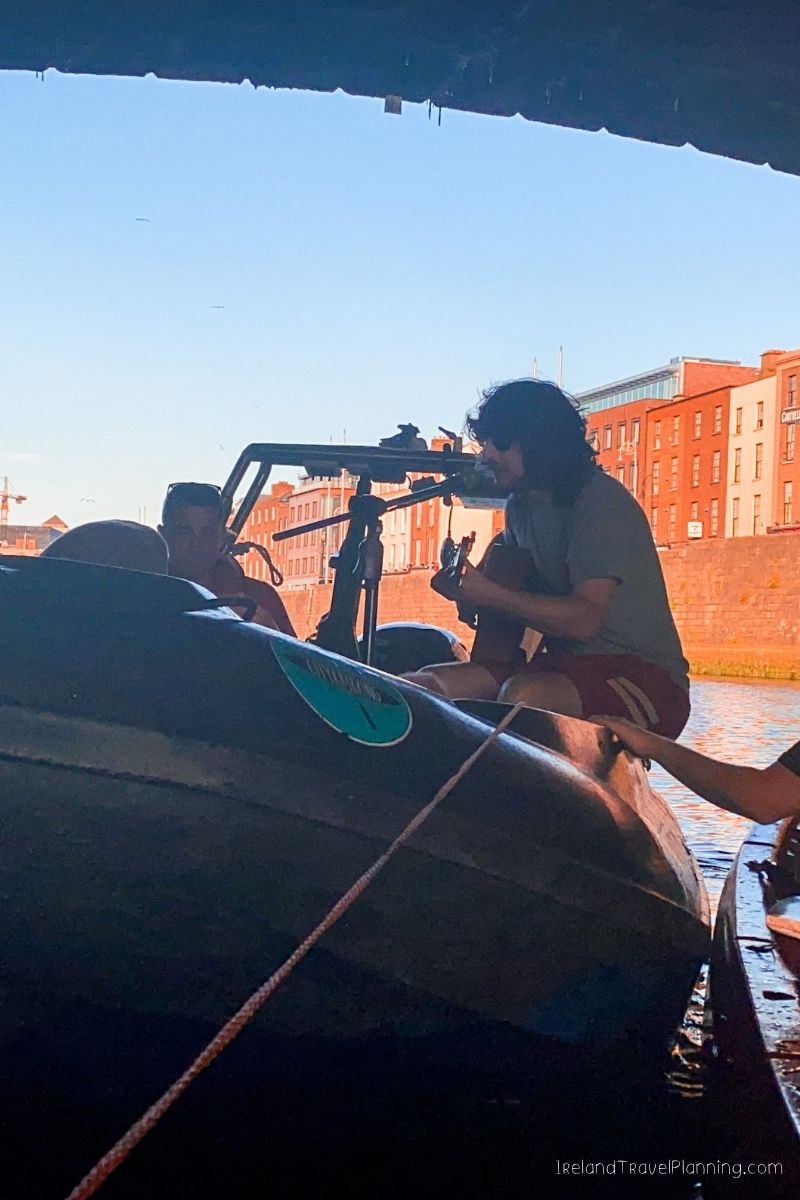
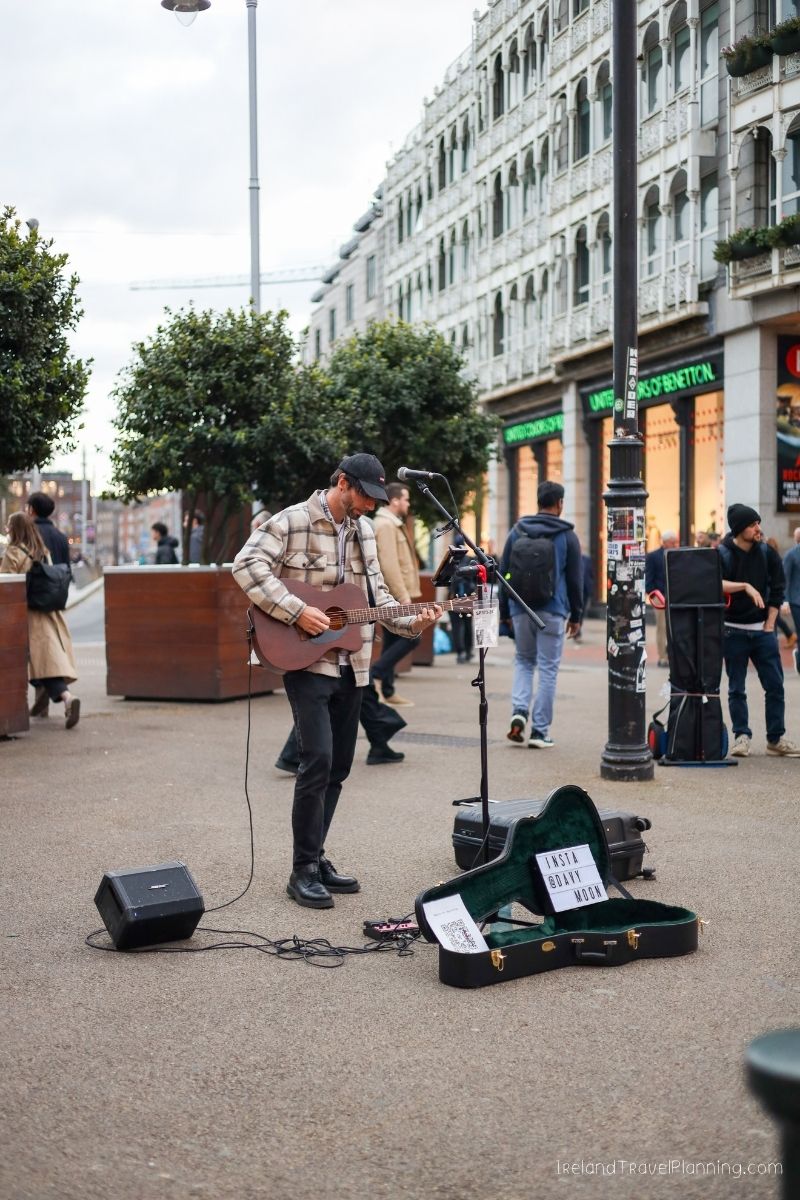
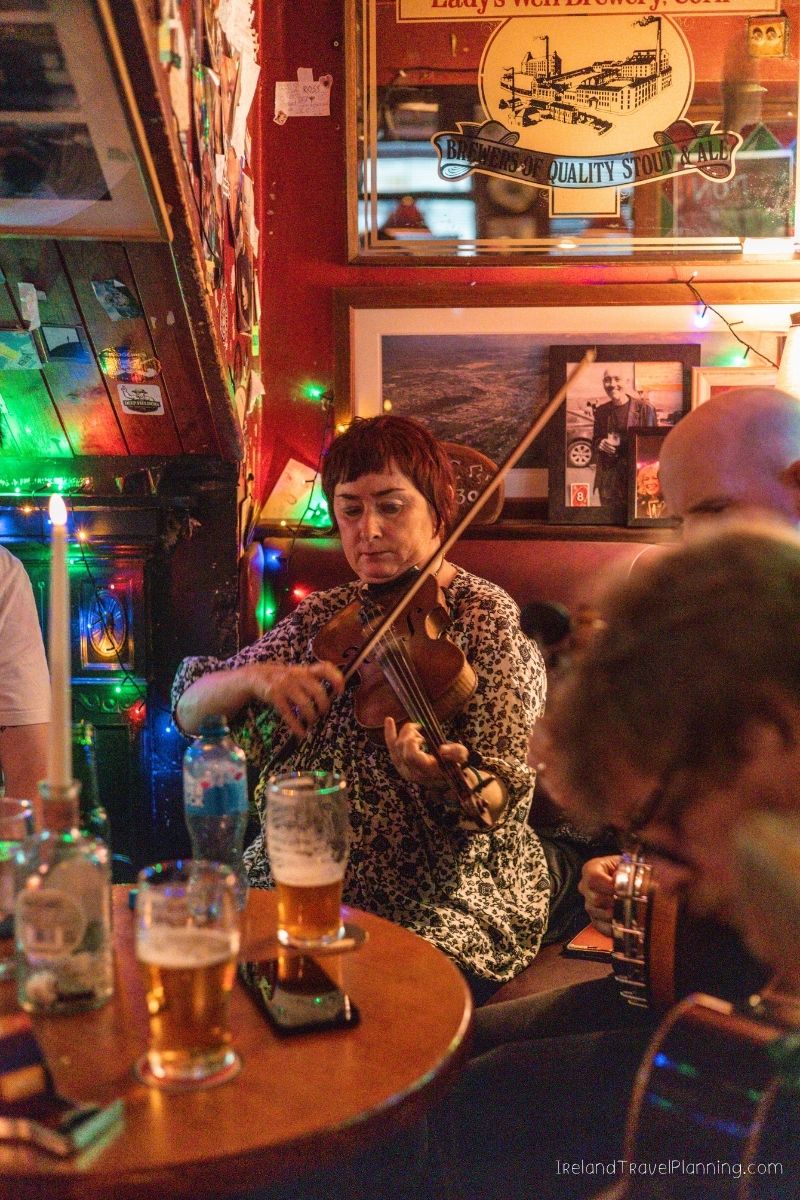
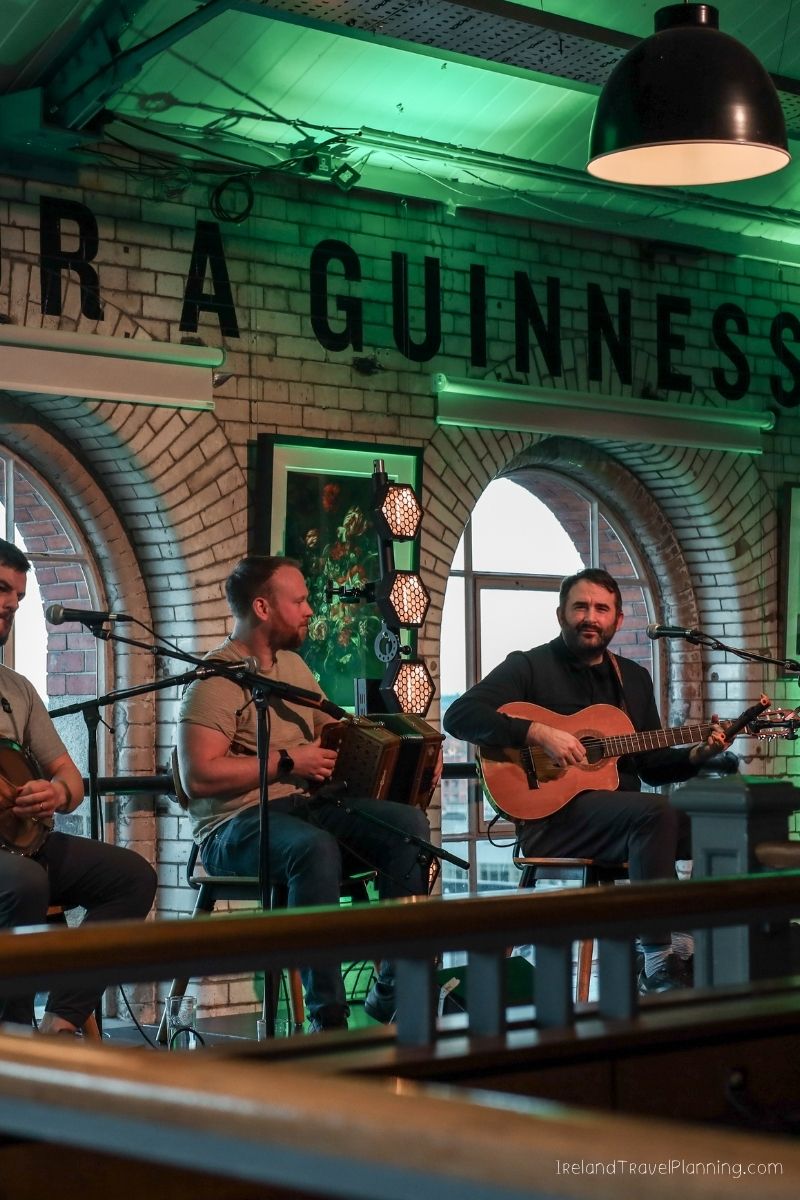

Ireland Travel Tips: The People, the Culture and the Craic
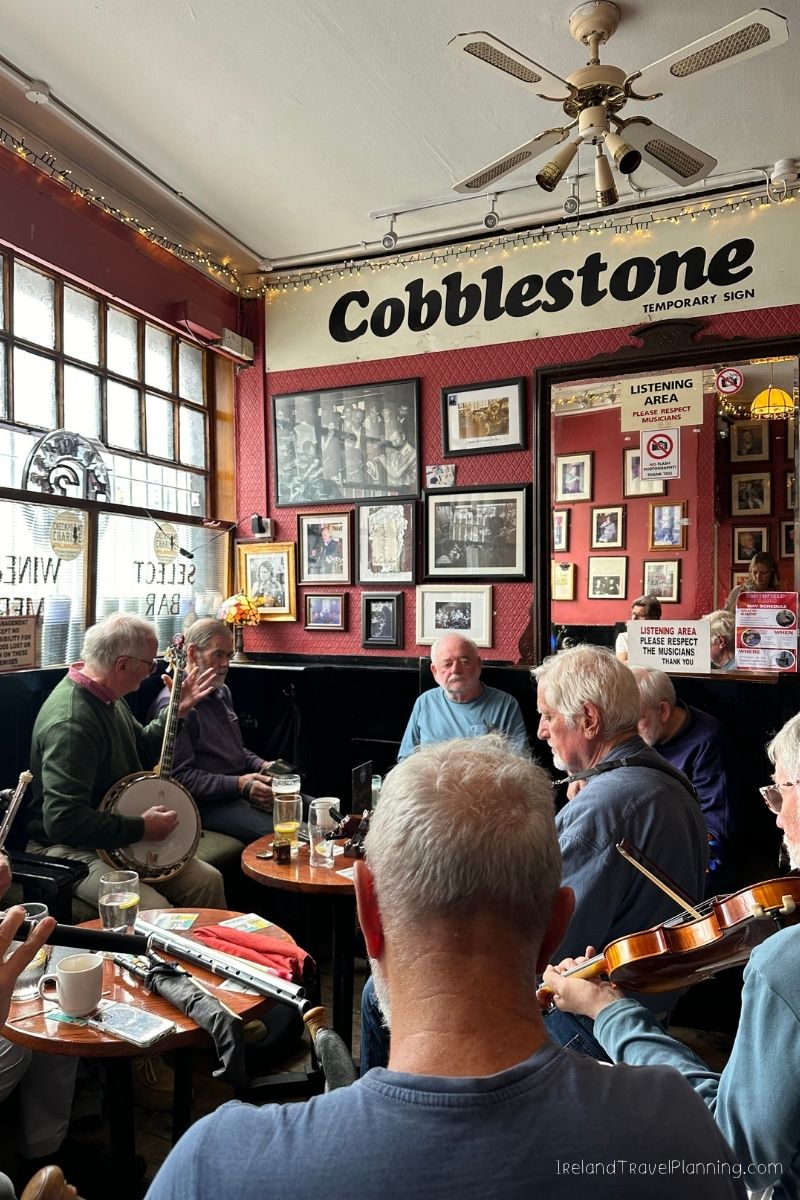
One of the things I hear visitors say over and over again is how friendly people are in Ireland.
Honestly, I don't think most of us even realise we're doing it. Whether it's helping someone find their way, recommending a local pub, or stopping for a chat while you're out walking, it's just part of everyday life here.
That said, we do have our own way of speaking, joking and interacting. Some of it can be a little confusing at first, but once you understand the humour and the little quirks, you'll find it much easier to settle in and enjoy chatting with locals.
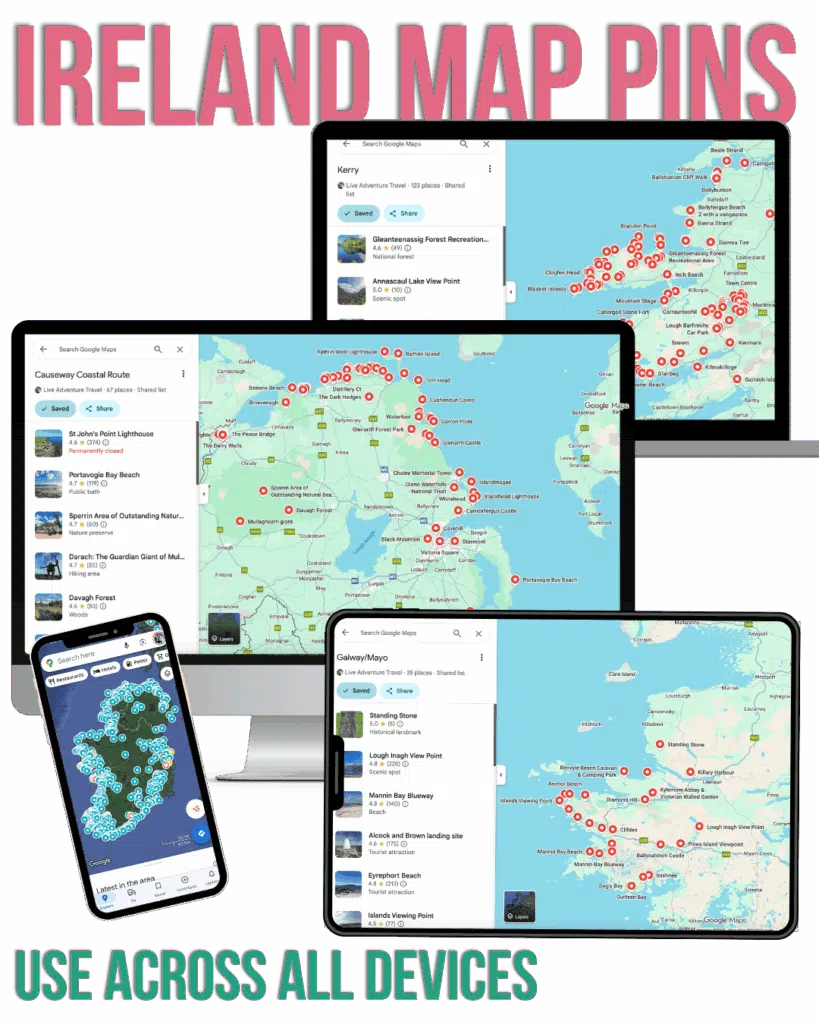
Avoid only visiting the same generic locations seen in every Ireland Travel guide…
Instead, spice up your itinerary with local hidden gems, lesser-known spots, and pull-ins that most drive past.
Sign up below for free access to my hand-picked Google Map Pins.
The Irish Language
One thing that surprises a lot of visitors is that Ireland actually has two official languages, English and Irish (Gaeilge).
While the vast majority of people speak English day to day, Irish is still taught in schools, appears on road signs across the country and is spoken as a first language in parts of Ireland known as the Gaeltacht.
You'll probably notice Irish place names throughout your trip and hear the odd Irish word worked into conversation too. Words like craic, sláinte and Garda are all part of everyday life here.
One of the worst things to ask when an Irish person mentions the Irish language is:
“Wait… is that just English with an accent?” 🤦♀️
I'm sad to say I've lost count of how many times I've been asked this!
Irish and English are completely different languages, so while it's a question that usually comes from genuine curiosity, you'll probably get a laugh followed by a very in-depth history lesson.
Familiarise Yourself with Some Irish Slang
Another thing we Irish pride ourselves on is our ability to have fun, or a good bit of craic, as we like to say.
We don't tend to take ourselves too seriously, and we enjoy nothing more than a bit of banter.
The only problem is that our conversations are usually filled with slang words that can leave first-time visitors wondering if we've started speaking a completely different language.
The good news is that nobody expects you to understand everything straight away.
If you don't know what someone means, just ask. Trust me on this one, we're well used to repeating ourselves and explaining Irish expressions to visitors.
Here are a few of the ones you're most likely to hear during your trip.
Craic
The word craic simply means fun. If someone asks, “What's the craic?” they're asking what's going on or how things are. If they tell you “It was great craic,” they just mean they had a brilliant time.
Yer Wan or Yer Man
This is one I'm definitely guilty of using far too often. Yer wan refers to a woman whose name you either don't know or don't want to mention, while yer man is the male equivalent.
For example:
“What's yer wan over there doing?”
It might sound odd at first, but once you notice it, you'll hear it everywhere.
Grand
If there's one word you'll hear more than any other while visiting Ireland, it's probably grand.
Honestly, we use it for absolutely everything. Depending on the conversation, it can mean yes, no, okay, average, don't worry about it or everything will work out somehow.
Confusing? Absolutely. But you'll soon get used to it.
Here are a few examples:
Person 1: “How was the film?”
Person 2: “I mean, it was grand.”
Meaning: It was okay. I wouldn't go telling everyone and anyone about it. I got through it. And stayed till the end.
Or…to put it simply…it was ‘alright, nothing special'.
Person 1: “Shit, it's raining. The washing's on the line”.
Person 2: “Sure look, it's grand.”
Which translates to…
There is not much we can do about it. We may as well continue as if it's not happening, and if it comes to the worst, we'll deal with it then.
You'll notice we somehow manage to fit grand into almost every conversation. In fact, don't be surprised if the immigration officer hands back your passport and says, “You're grand.” They're simply telling you everything's in order and you're good to go.
Here are a few more expressions you might hear:
- It's Baltic – It's freezing.
- It's roastin' – It's really hot.
- Yoke – A thing or object.
- Banjaxed – Broken.
- Doin' my head in – Really annoying me.
- Jammers – Packed with people.
- Takin' the piss – Messing with someone.
- Havin' a laugh – Joking around.
- Mammy – Mum.
The list could honestly go on all day, but these are some of the ones you're most likely to hear.
The Irish Use of Sarcasm
If there's one thing you should know before chatting with Irish people, it's that sarcasm is part of everyday conversation.
We have a habit of taking the mick out of ourselves, our friends and pretty much any situation that presents itself. Most of the time, it's not meant to offend anyone. If anything, it's usually a sign that someone feels comfortable around you.
It's also worth remembering that we don't always answer questions in a completely straightforward way. Sometimes a sarcastic reply comes first, followed by the actual answer a few seconds later.
For example, if you ask someone for help and they reply, “I will, yeah,” there's a good chance they're jokingly saying they're not planning on moving anytime soon.
Now, don't get me wrong, nine times out of ten an Irish person will happily help you if you ask.
Just don't be surprised if there's a sarcastic comment thrown in first. It's simply part of our sense of humour, and half the time we don't even realise we're doing it.
Pack for Ireland
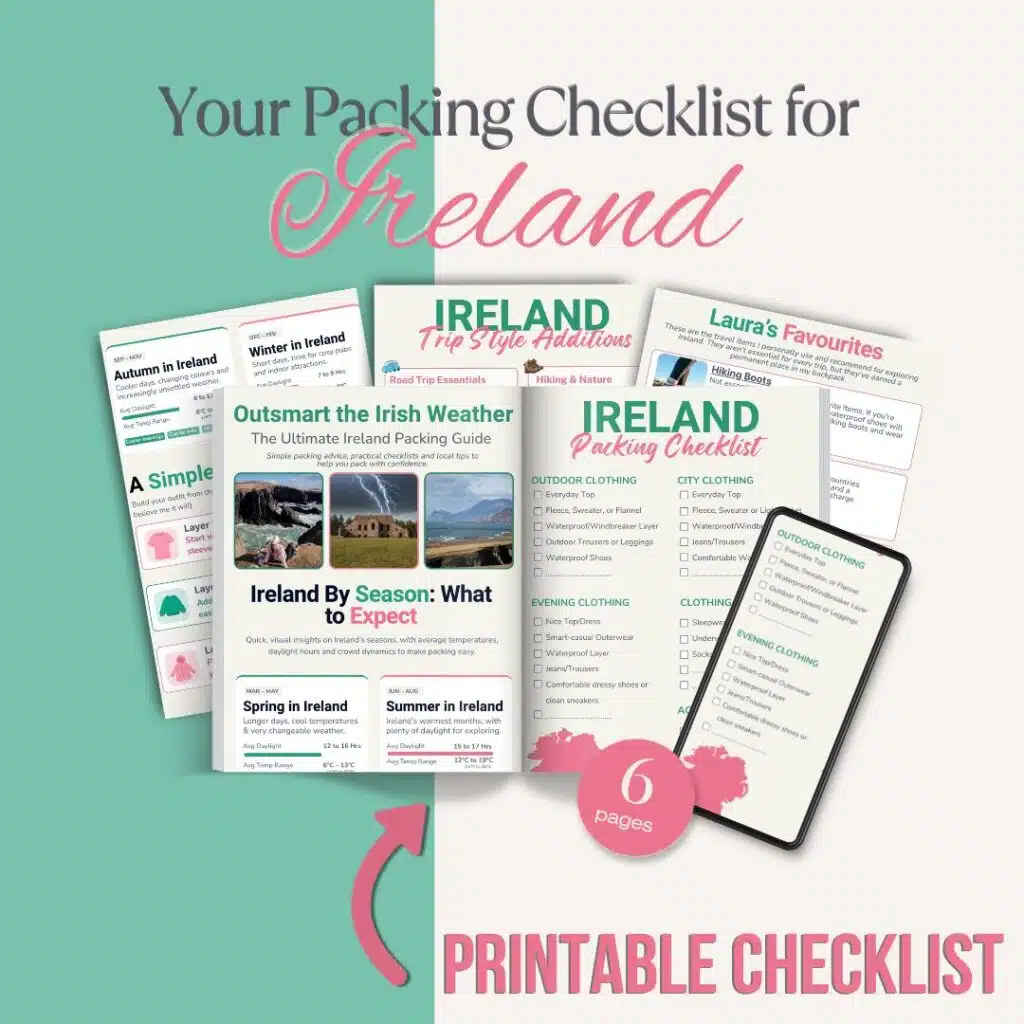
Never Wonder “Did I Forget Something?”
A printable Ireland packing guide created by a local, so you know exactly what to bring for Ireland.
✔ Complete packing checklist
✔ Seasonal additions
✔ Hiking & road trip essentials
✔ Local recommendations
Our Ability to Stretch the Truth
Another thing you'll quickly discover is that Irish people aren't always the most accurate when it comes to describing time or distance.
If someone tells you a place is “just down the road,” don't automatically assume it's a five minute walk.
To an Irish person, just down the road could mean anything from five minutes to forty five minutes away.
The same goes for heading to the pub.
If someone says, “Sure we'll only have one,” there's every chance you'll still be there several hours later. Around here, one rarely means one.
It's not that we're trying to mislead anyone. It's just part of how we speak. Distances somehow seem shorter, plans seem quicker and everything sounds much more relaxed than it usually ends up being.
So if someone tells you something is only around the corner… maybe double check Google Maps as well.
Understanding Irish Accents and the Counties of Ireland
For such a small country, Ireland has an incredible variety of accents.
Every county has its own way of speaking, its own expressions and its own little quirks. Drive for an hour and you can find yourself listening to people who sound completely different from one another.
Honestly, there are times when Irish people from opposite ends of the country struggle to understand each other, so don't feel embarrassed if you need someone to repeat themselves. Trust me, we're well used to it. Sometimes we just need a gentle reminder to slow down.
You'll also notice that Irish people are incredibly proud of where they're from. Mention Cork to someone from Mayo, or Dublin to someone from Kerry, and there's a good chance you'll witness a bit of friendly rivalry.
Most of it comes from our county pride, especially when it comes to Gaelic games, and it's all part of the banter.
Just don't ask which county is the best unless you've got plenty of time to listen to the debate.
…Although, as a Dub, I know what my answer would be. 😉
Ireland Travel Tips Video Guide
Tips for Visiting Ireland for the First Time: Social Customs and Expectations
One of the things I love hearing from visitors is how welcome they felt while travelling around Ireland.
The truth is, there aren't lots of unwritten rules you need to learn before you arrive. Most Irish people won't expect you to know our customs, and nobody's going to be offended if you get something wrong.
That said, there are a few little social habits that are part of everyday life here. Knowing them won't just help you fit in, they'll also make those small interactions with locals feel much more natural.
DISCOVER IRELAND
Feeling overwhelmed planning your trip to Ireland? I have just the thing for you!
As a local, I offer 1:1 Ireland travel planning calls, where we go through your trip together.
Discussing any potential mishaps, planning oversights and questions you may have.
The call is completely personalised to your trip, giving you the clarity, confidence and a solid plan to move forward with.
⚠️ There is Limited availability each month, so make sure to book with plenty of time before your visit ⚠️
Use Your Manners
If there's one thing Irish people notice, it's good manners.
A simple please, thank you or cheers goes a long way here. You'll hear people thanking bus drivers, apologising when someone else bumps into them and saying sorry just to squeeze past someone in the supermarket.
We're generally a polite bunch, and if you're polite in return, you'll almost always be met with a smile.
Hold the Door Open for the Person Behind You
This might seem like a small thing, but it's one of those little habits you'll notice all over Ireland.
If someone's walking behind you, it's considered polite to hold the door open or at least make sure it doesn't swing shut in their face.
It's certainly not the end of the world if you forget once or twice, but it's one of those small gestures that people genuinely appreciate.
Explore Dublin
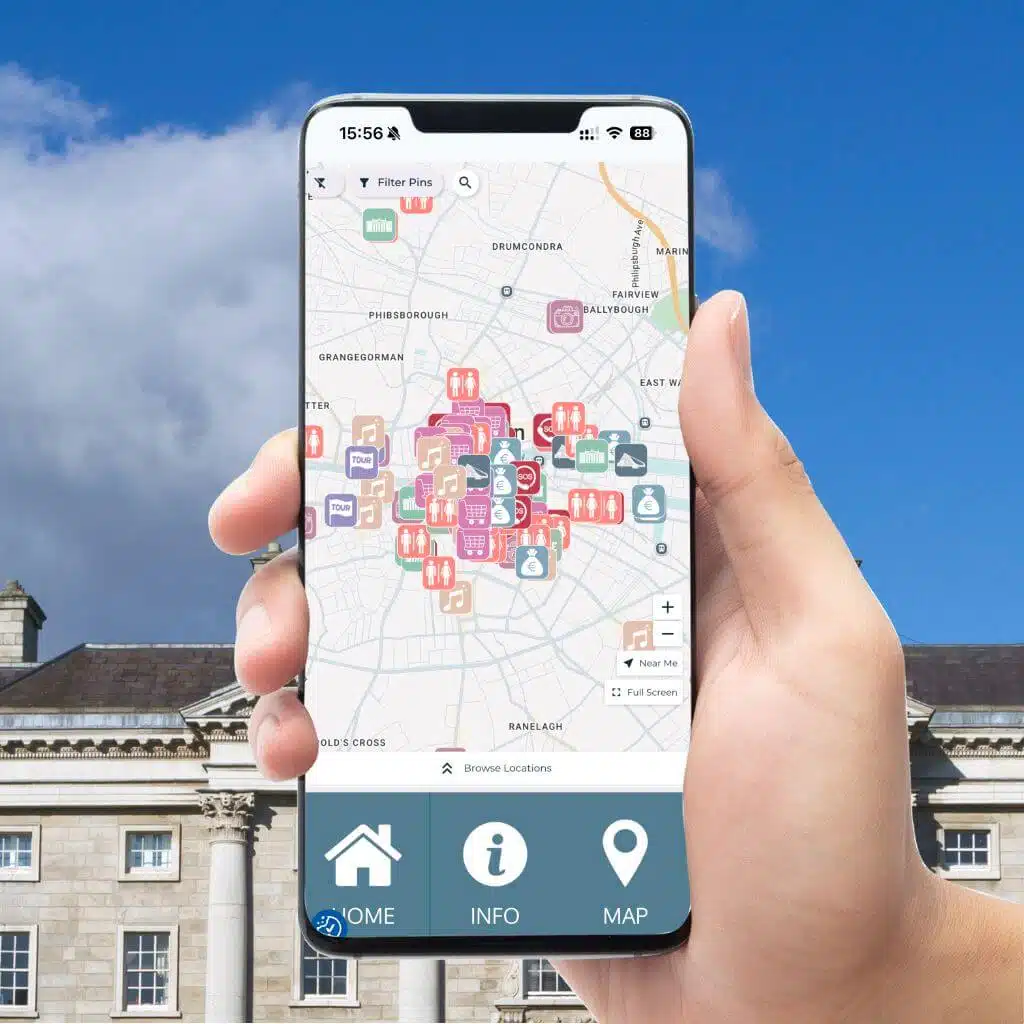
Arriving in Dublin and not sure where to start? It’s the small, practical things that tend to catch people out…
The Dublin App is designed to give you clear, easy access to the information you actually need, all in one place.
✔️ An interactive map showing key locations across the city, from top attractions to everyday essentials
✔️ Live location and directions so you can navigate Dublin with confidence
✔️ Practical information like ATMs, public restrooms, pharmacies, and where to find what you need
✔️ Guidance on getting to and from the airport and using public transport
✔️ Quick access to booking links and useful resources while you’re on the go
It’s everything you don’t realise you need… until you’re standing in the middle of the city trying to figure it out.
Hanging Up the Phone
This is something I never realised was an Irish thing until I spent time living abroad.
Whether you're ringing a restaurant, your accommodation or even just chatting to someone you've met while travelling, don't be surprised if ending the conversation takes a while.
An Irish goodbye on the phone usually sounds something like:
“Right so… bye…thanks now…
Oh actually did you hear about xy&z….(Proceeds to talk for another 10-15 minutes)
Ok I actually…do…have to go now.
Right, bye… take care… bye…bye..bye.”
I'm honestly not exaggerating.
You definitely don't need to say goodbye six different times, but it is considered polite to properly end the conversation rather than simply hanging up.
Hiking and Walking on the Street
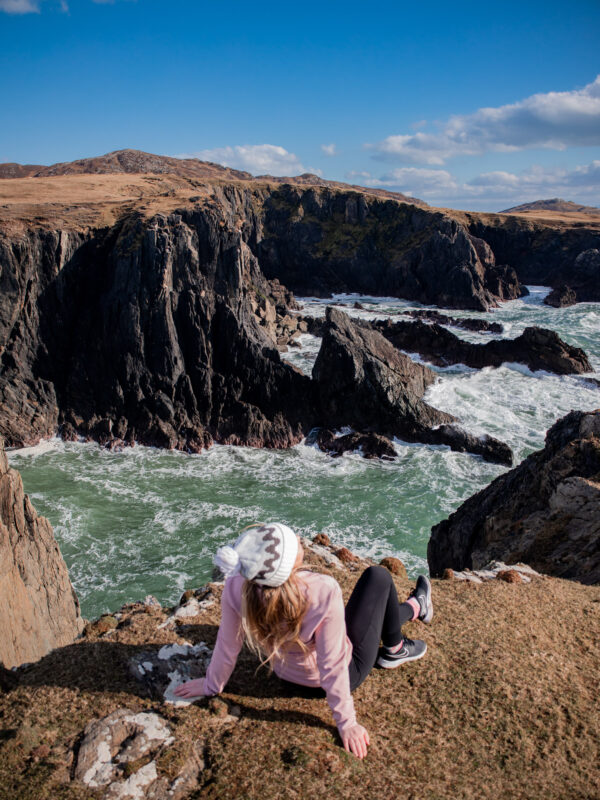
If you're out hiking in Ireland, especially in the countryside or the national parks, it's completely normal to acknowledge people as you pass.
A simple smile, nod, wave or quick “Howya?” is all that's needed.
You'll notice this less in busy cities like Dublin, but once you get into smaller towns, villages and rural areas, people are generally much more likely to say hello.
It's one of the things I love most about travelling around Ireland. Even if you've never met someone before, a quick smile or wave just feels natural.
You'll also end up doing far more walking than most people expect. Comfortable waterproof shoes (like these) make such a big difference when exploring Ireland's nature spots. There is nothing worse than walking around with wet feet.
Tipping Culture
One of the questions I'm asked all the time is whether you need to tip in Ireland.
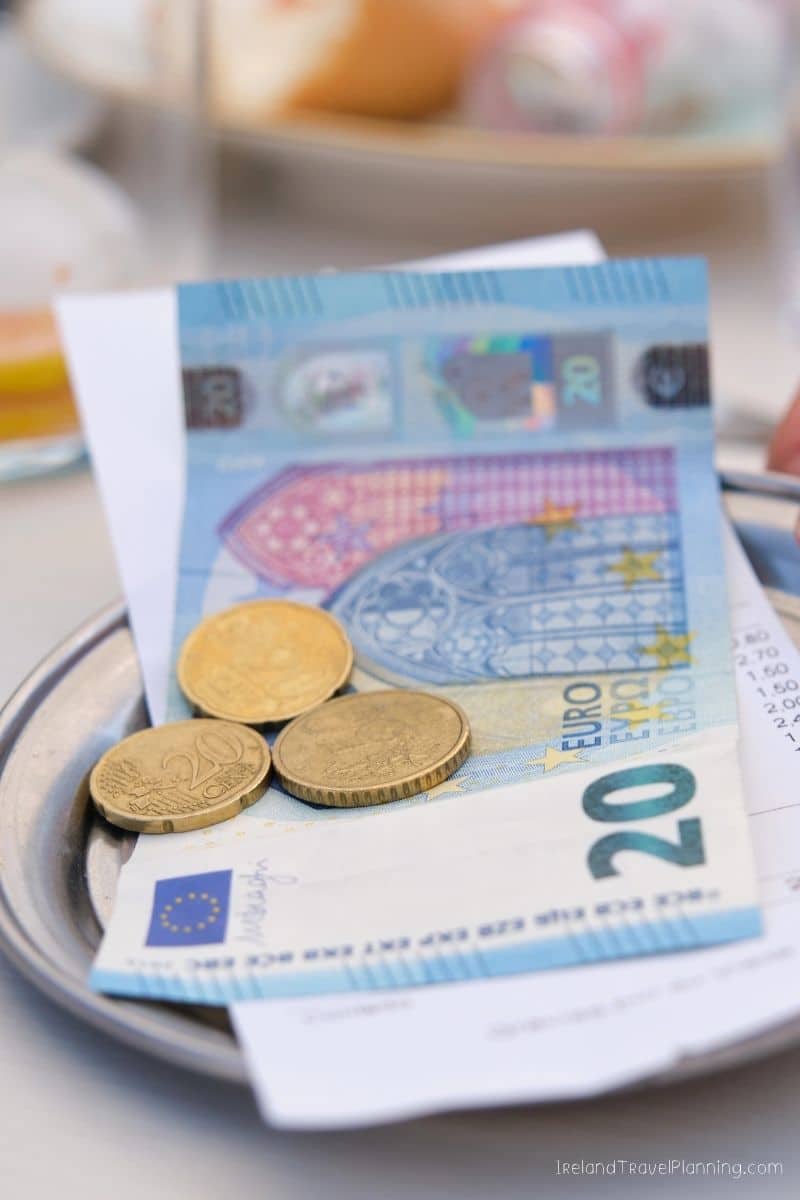
The short answer is no. Tipping isn't expected in the same way it is in countries like the United States.
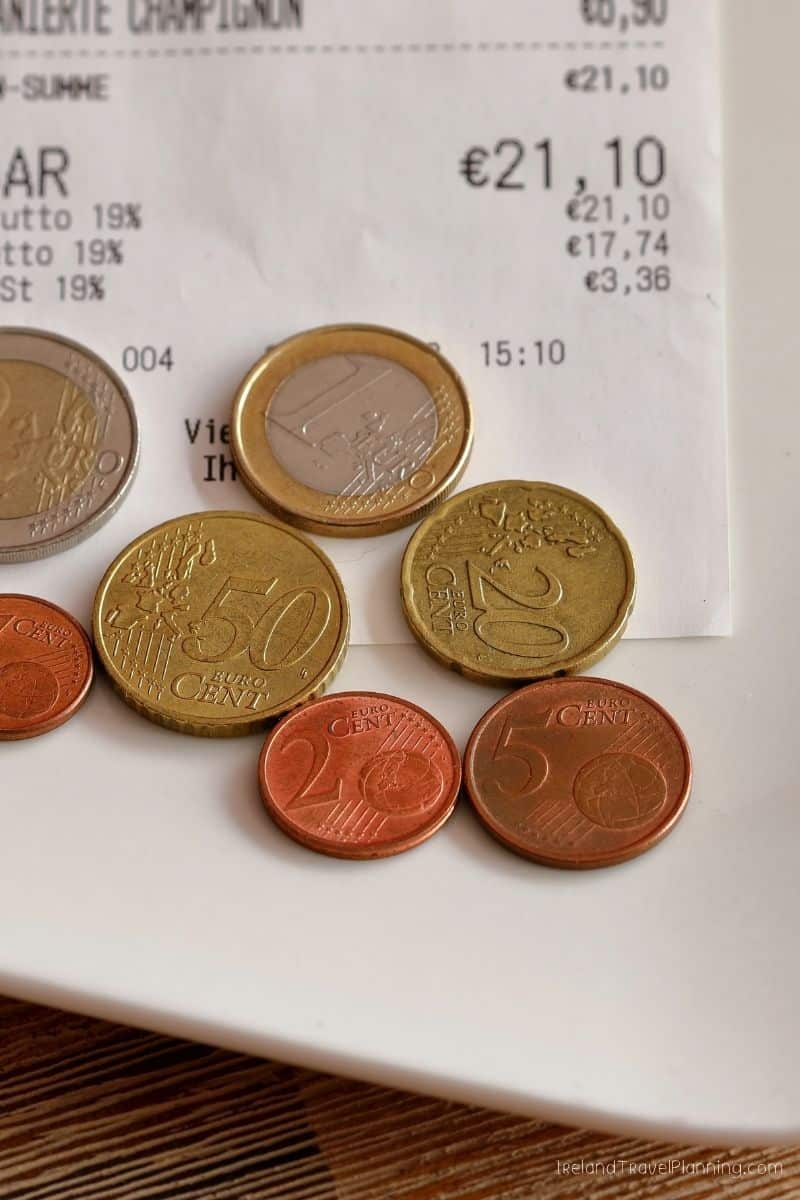
That said, it's always appreciated if you've received good service. Most people either round up the bill, leave around 10% in restaurants or tip taxi drivers and hairdressers if they're happy with the service.
Personally, I nearly always leave a tip when I've had a good experience. It's simply a nice way of saying thank you, rather than something people feel obliged to do.
If an Irish Person Says No, They Don't Always Mean No
I know… this one sounds completely ridiculous.
But it's genuinely something we do.
Irish people are often raised to avoid appearing greedy or putting someone out. Because of that, it's quite common to politely refuse something the first time it's offered, even if we actually want it.
A conversation often goes something like this:
Person 1: “Will I get you a drink?”
Irish person: “Ah no, I'm grand thanks.”
Person 1: “Are you sure?”
Irish person: “No honestly, I'm fine.”
Person 1: “Go on, last chance.”
Irish person: “Ah… go on then.”
Confusing? Absolutely.
If you're offering something to an Irish friend and they politely refuse once, it doesn't always mean they genuinely don't want it.
I still catch myself doing this when I travel abroad. And before I know it, I'm the only one sitting without an ice cream, even though I desperately wanted one. It's a tough world out there 😆
How to Greet Someone in Ireland
Compared with many European countries, greetings in Ireland are fairly relaxed.
If you're meeting someone for the first time, a handshake is perfectly normal. Close friends and family might hug, but you won't generally see people greeting everyone with kisses on the cheek.
If you're simply passing someone while out walking, particularly in rural Ireland, a smile, nod or quick hello is more than enough.
Swearing and Curse Words
One thing that surprises some visitors is how casually swear words are used in Ireland.
Now, don't get me wrong, there's still a time and a place for them. Most people probably wouldn't be throwing them around in front of their granny.
But among friends, you'll often hear words that might sound quite strong in other countries used much more casually here.
You'll also come across some very Irish alternatives, like feck and shite, which have become part of everyday language.
Don't feel like you need to start using them yourself, though. Leave that to us.
Planning a Trip to Ireland: Money, Cards and Paying for Things
One of the biggest worries first time visitors have is whether they'll need lots of cash while travelling around Ireland.
The good news is that paying for things here is generally very straightforward. Cards are accepted almost everywhere, contactless payments are the norm and you'll rarely find yourself needing more than a small amount of cash.
It's also worth remembering that you'll probably be relying on your phone much more than you do at home, whether that's for Google Maps, boarding passes or paying by card.
A universal travel adapter (like this one) and portable charger is one of those things that's easy to forget, but you'll notice very quickly if you arrive without them.
Here's what you should know before you arrive.
Drive in Ireland
Feeling nervous about driving in Ireland? You’re not the only one… and you don’t have to figure it out alone.
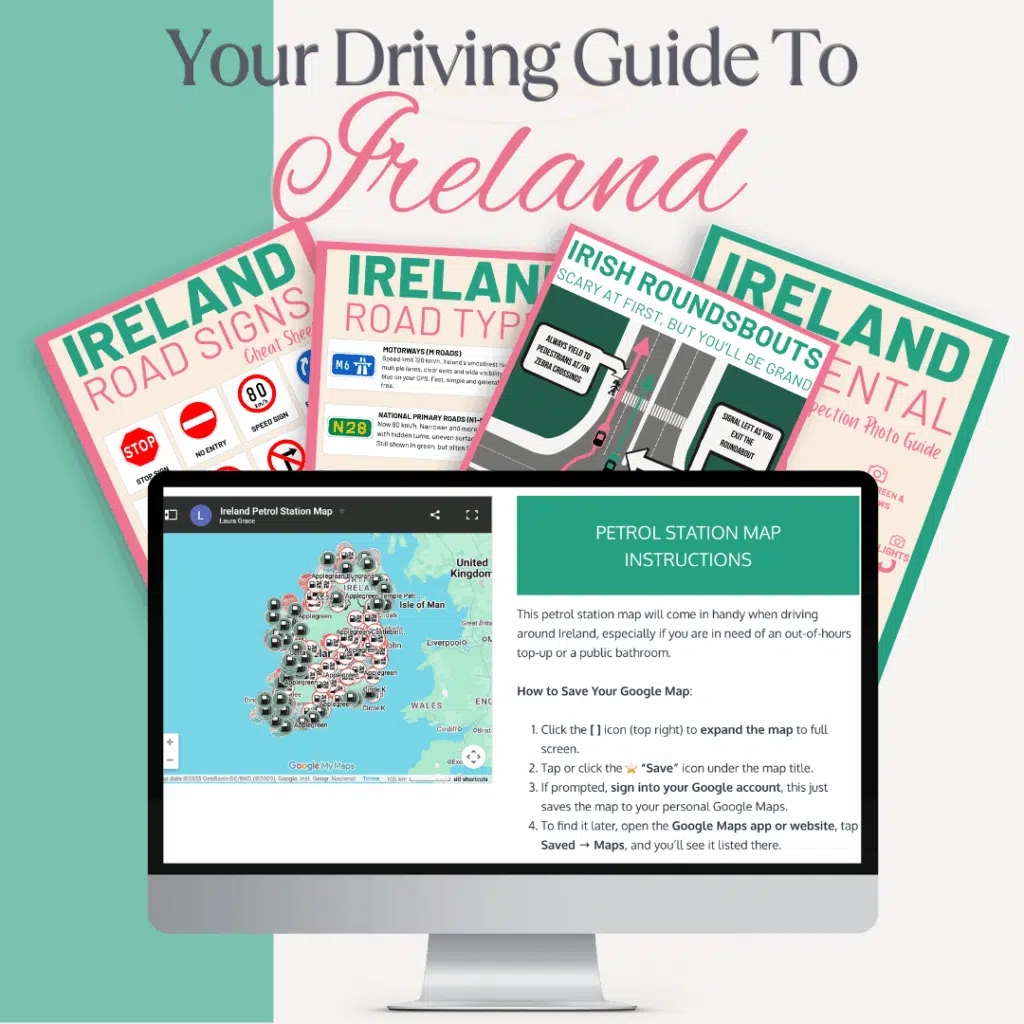
The Ireland Driving Toolkit is a practical guide with clear local advice and no guesswork.
✔️ Custom Google Maps with petrol stations and toll roads mapped out.
✔️ Cheat sheets for roundabouts, road signs and km to miles.
✔️ Straightforward tips on tolls, navigation and what to expect on different road types.
Plus, the small local details most guides skip, but make all the difference once you’re here.
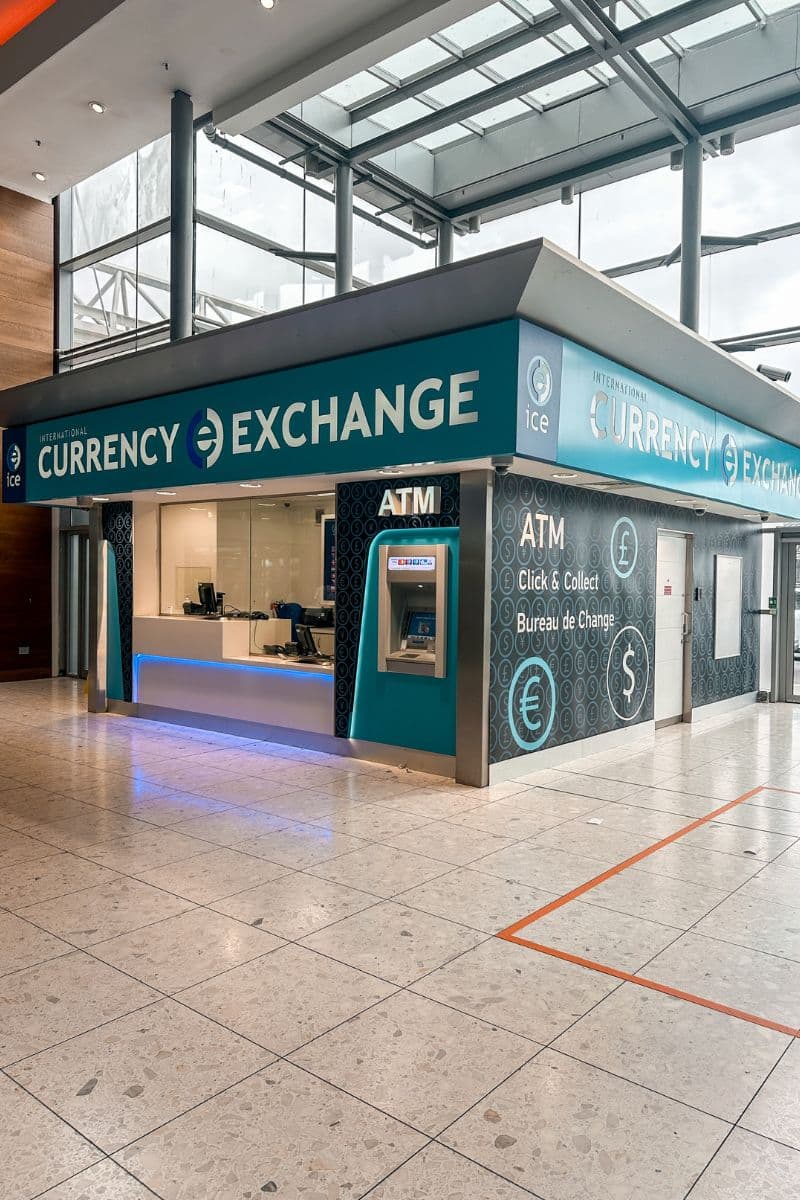
What currency is used in Ireland?
One thing that catches some visitors out is that Ireland has two different currencies.
If you're travelling around the Republic of Ireland, you'll use the Euro (€). If you're heading to Northern Ireland, the currency changes to the British Pound (£).
If your itinerary includes both, don't worry too much. Most people simply pay by card throughout their trip, so switching between currencies is usually automatic.
Do I need cash in Ireland?
Honestly, not very much.
These days you can pay by card in almost every hotel, restaurant, pub, attraction and supermarket.
Contactless payments using your bank card, Apple Pay or Google Pay are incredibly common, and many visitors go their entire trip without needing much cash at all.
That said, I still recommend carrying around €20 to €50 in cash just in case.
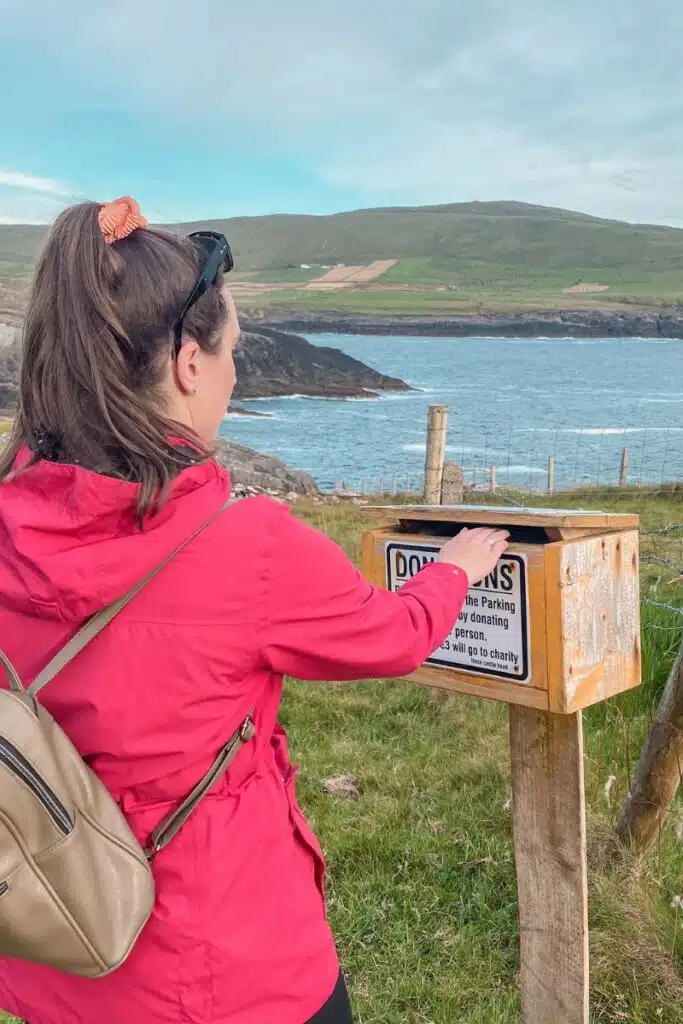
You might come across a few places where cash is still needed in Ireland, like an honesty box at a remote attraction, a small market stall, or the odd rural business that prefers cash.
It's becoming less common every year, but it's still handy to have a little with you.
How do card payments work in Ireland?
If you're visiting from the United States, paying by card in Ireland might feel a little different.
Unlike in many American restaurants, your card is rarely taken away from the table. Instead, the card machine is brought over to you and you'll either tap your card or phone, or insert your card yourself if needed.
Contactless payments are accepted almost everywhere and are by far the most common way to pay.
One other thing that's worth mentioning is American Express.
While some larger hotels and businesses accept it, plenty of smaller restaurants, cafés and independent shops don't. I'd always recommend bringing a Visa or Mastercard as a backup so you're never caught out.
Getting cash and using ATMs
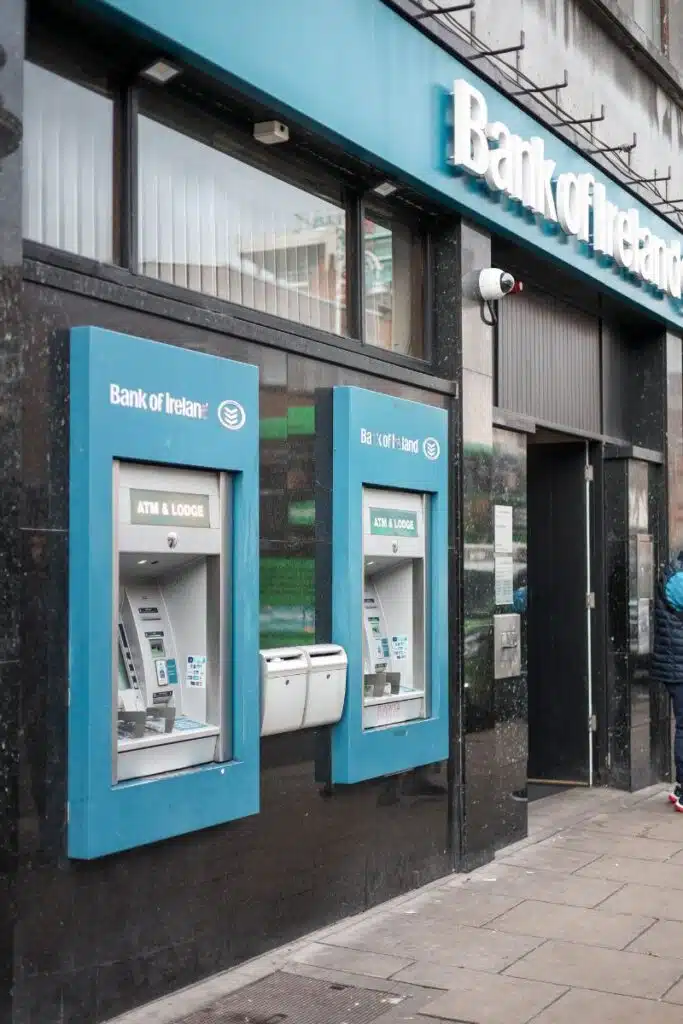
If you do need cash during your trip, finding an ATM is usually very easy.
You'll find them at banks, shopping centres, supermarkets and throughout most towns and cities.
If your home bank charges foreign transaction or ATM fees, it's also worth checking those before you travel, as those charges usually come from your own bank rather than the Irish ATM itself.
Should I choose euro or my home currency when paying by card?
If you're paying with a foreign bank card, you'll sometimes be asked whether you'd like to pay in euro or in your home currency.
It can be tempting to choose your own currency because it feels familiar, but I nearly always recommend paying in euro instead.
Choosing euro usually means your own bank handles the exchange rate, which is often better than accepting the rate offered by the card machine.
What to Know Before Visiting Ireland: Transportation & Getting Around
One of the biggest decisions you'll make when planning your trip is how you're going to get around Ireland.
The good news is that there isn't one right answer. It really depends on the type of trip you're planning.
If you're leaning towards renting a car but still feeling a bit unsure, don't worry, that's completely normal. I've put together a Driving in Ireland Toolkit that answers the questions first-time visitors ask me all the time, so you can decide whether driving is the right choice for your trip before you book.
Or, if you're staying in Dublin for a few days, you won't need a car at all. I'd highly advise checking out my Dublin App. It features local practical tips on how to find things like ATMs, souvenir shops, hidden gems, and top tourist attractions, all neatly packaged into one app so that you can navigate your way around the city with ease.
If you're planning to explore places like Kerry, Connemara or Donegal, hiring a car will give you far more freedom than relying on public transport.
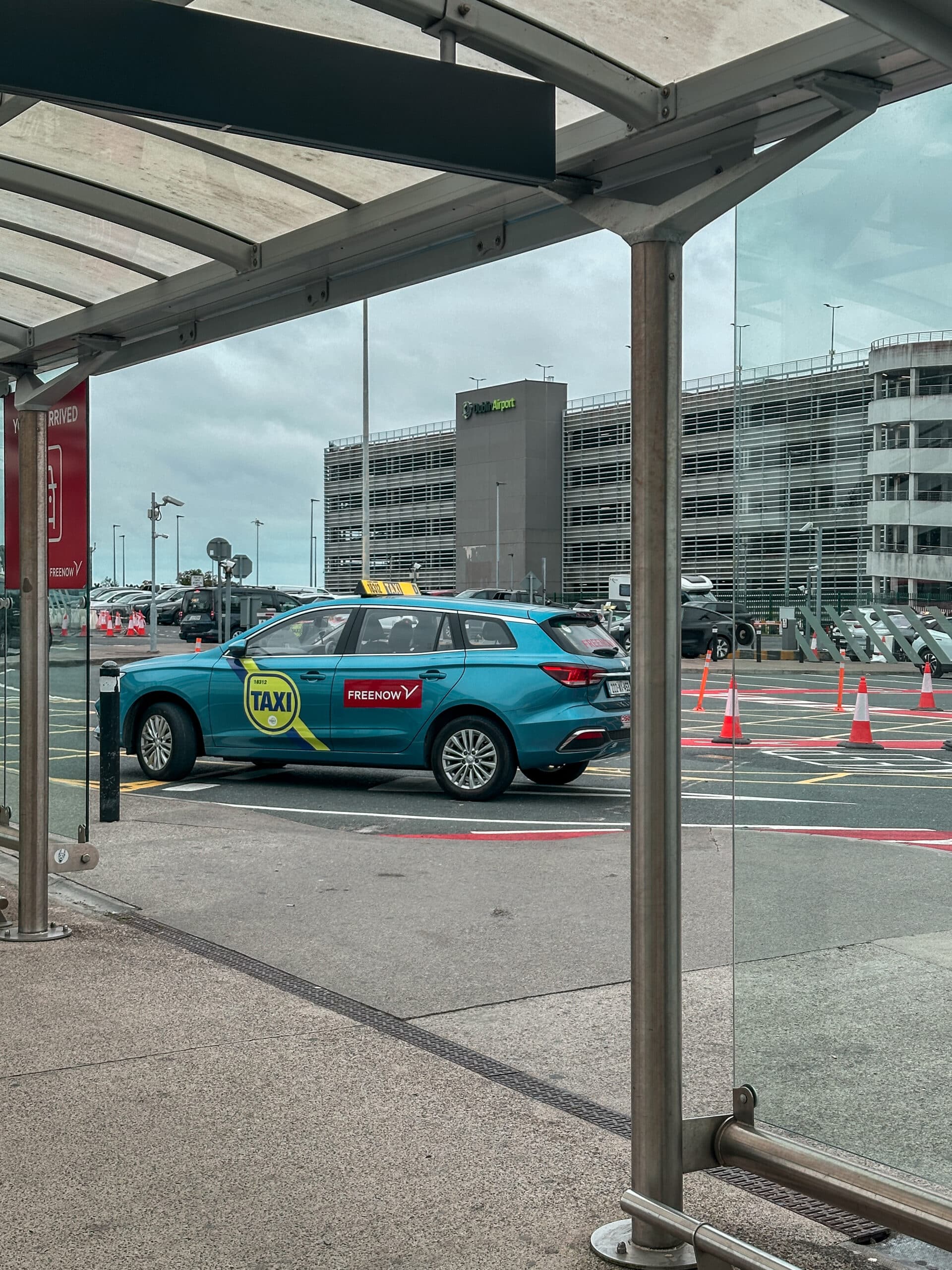
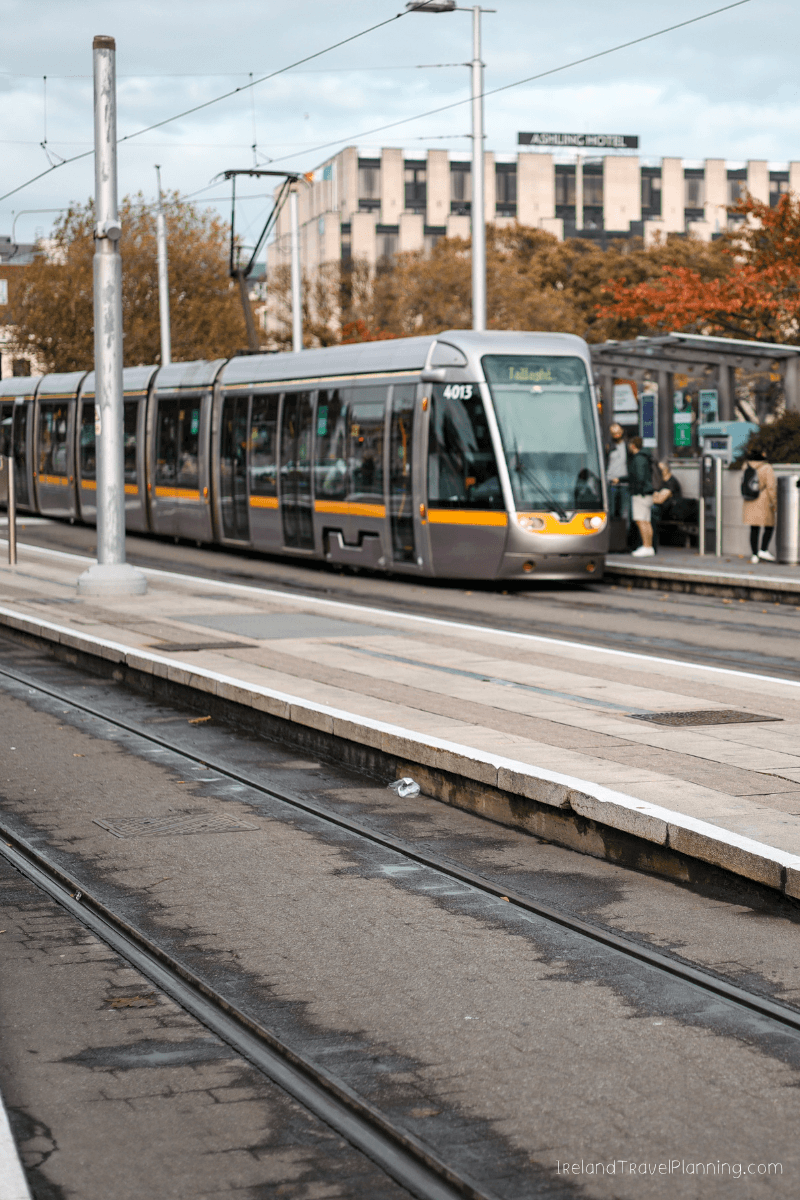
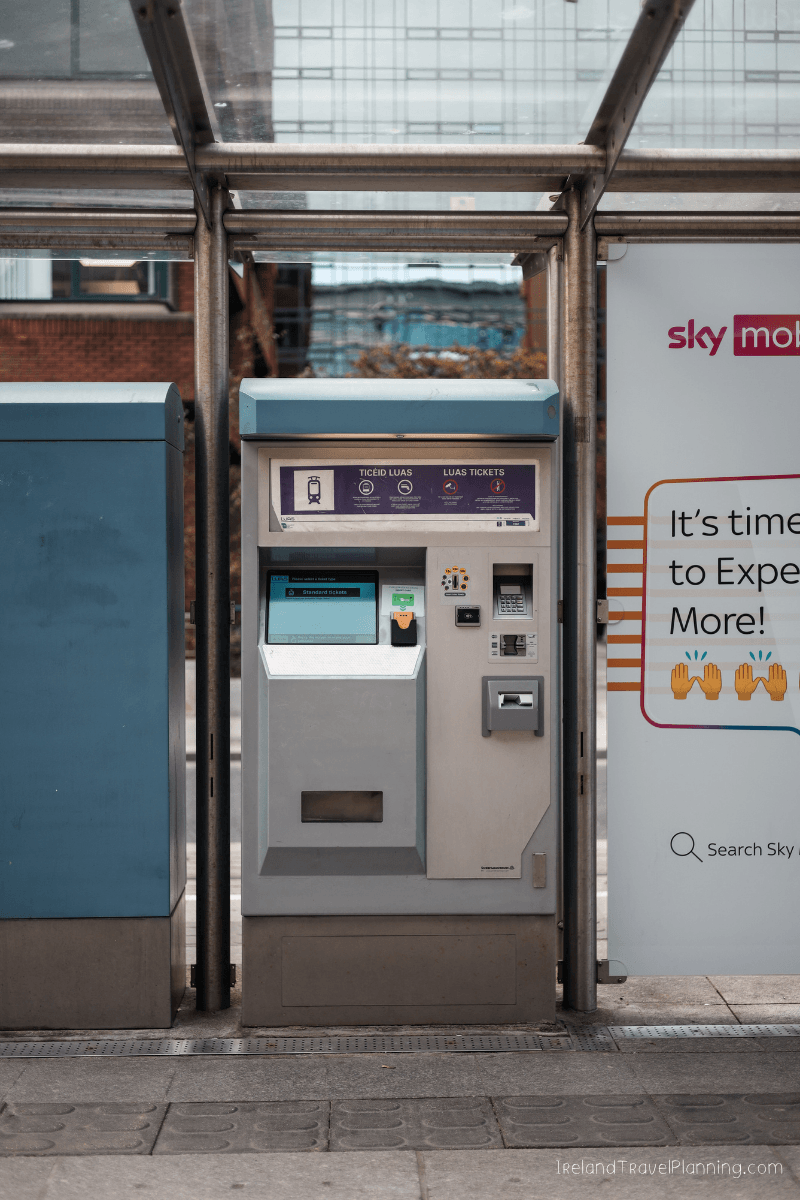
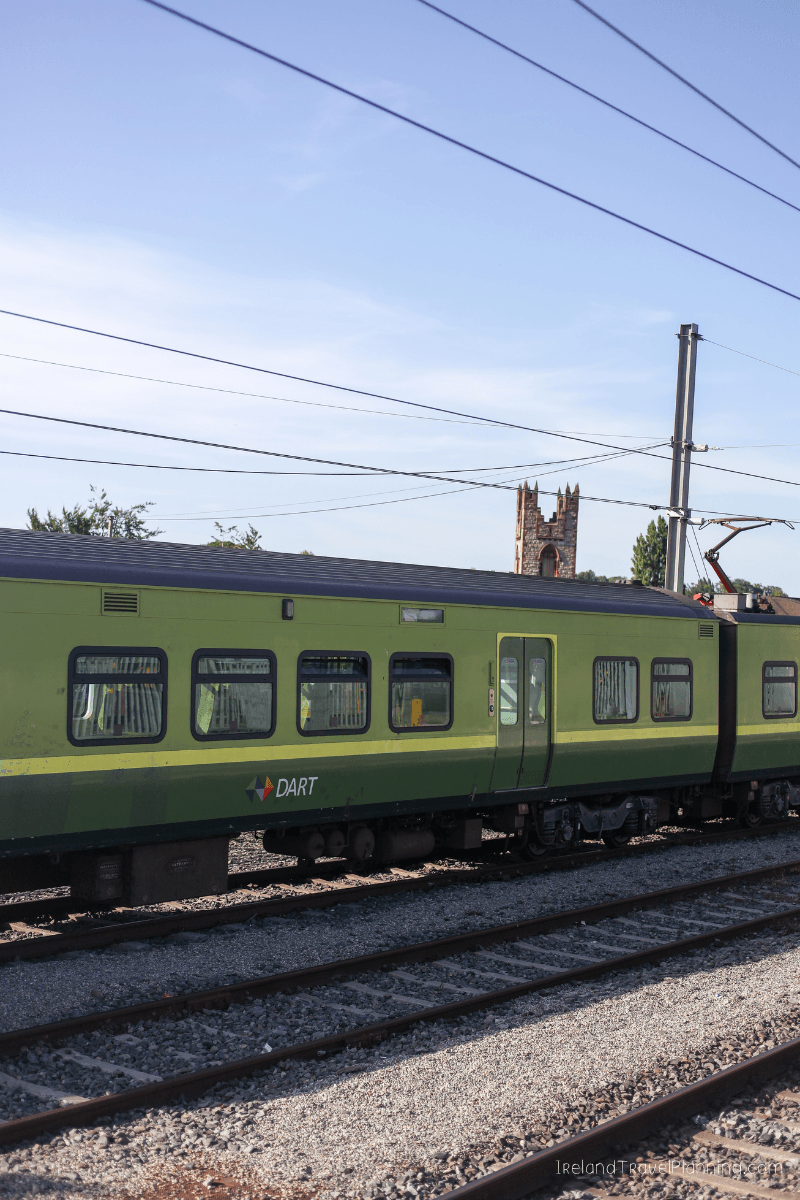
Getting around Dublin
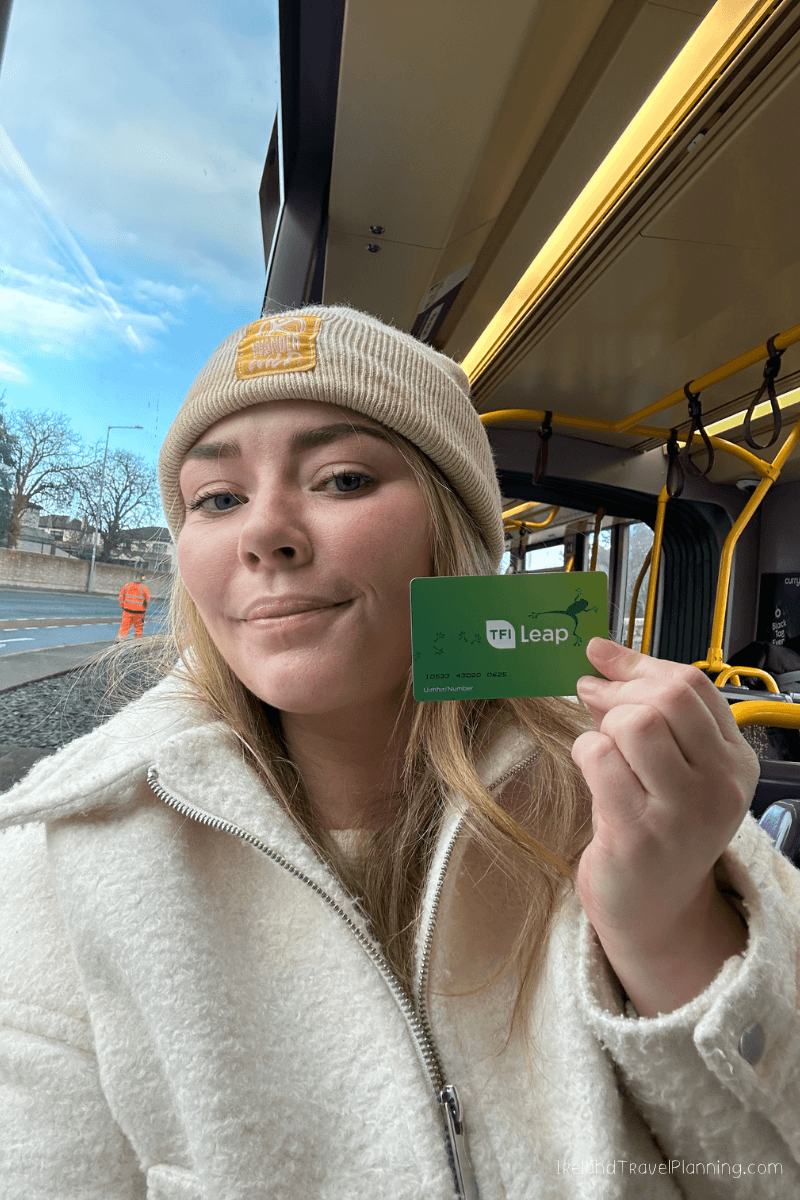
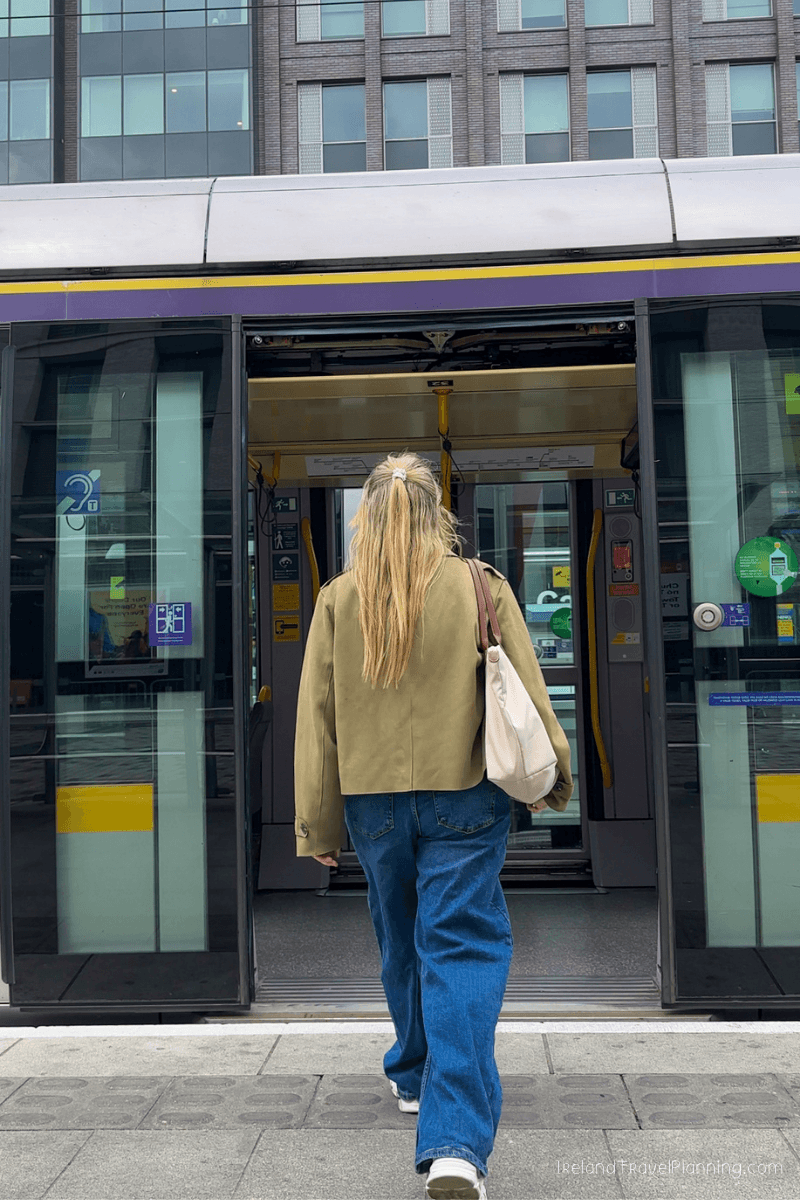
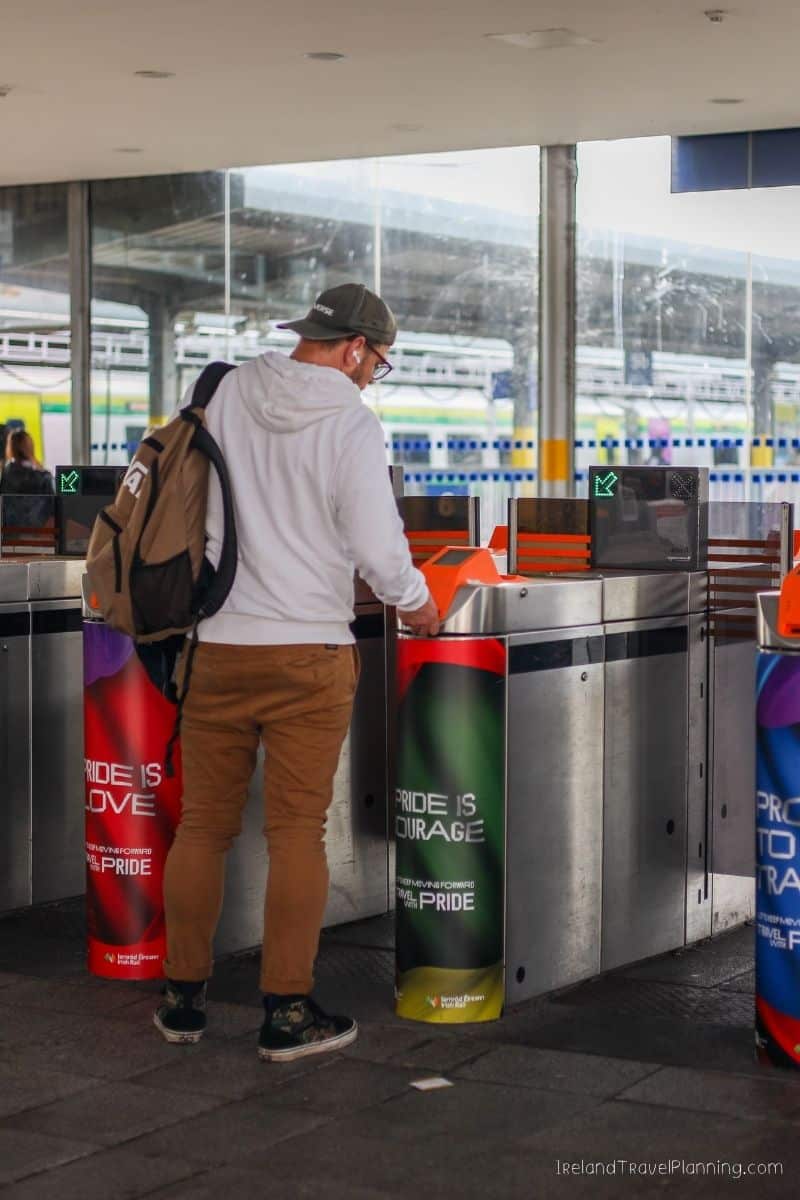
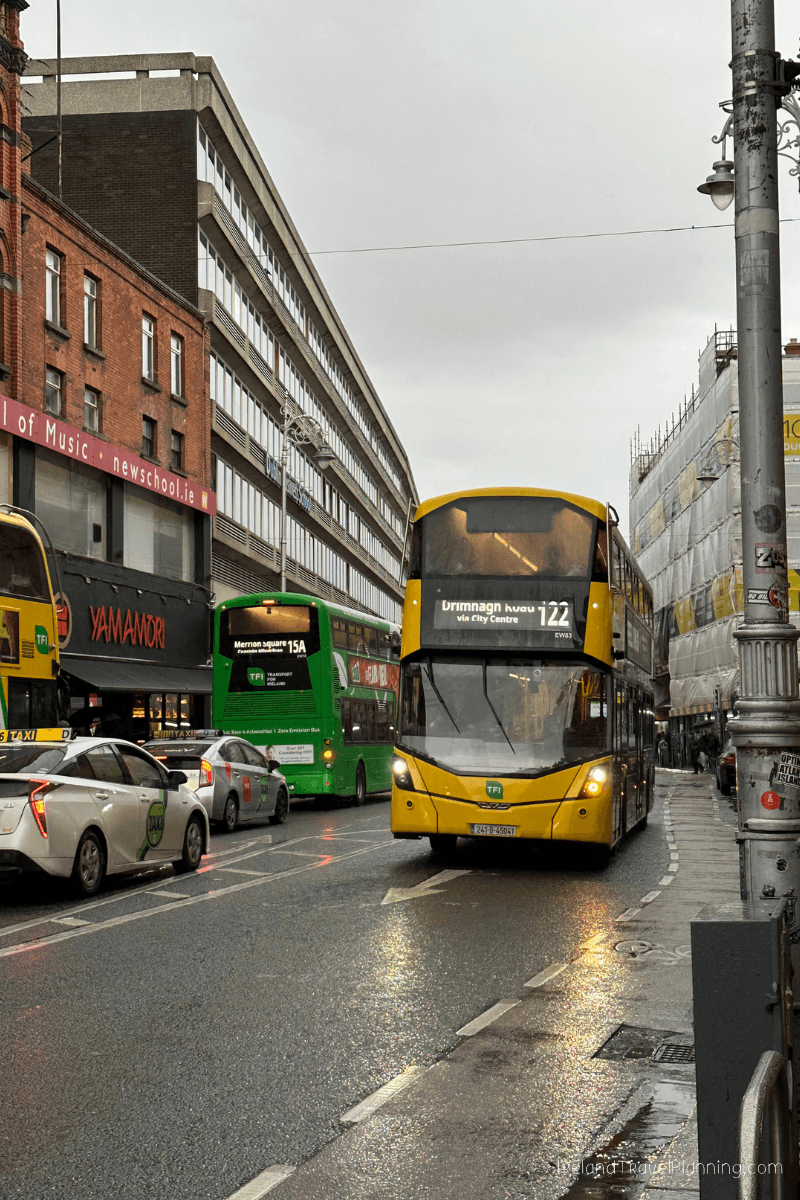
If you're spending a few days in Dublin, public transport is by far the easiest way to get around.
The city has three main types of public transport:
- Dublin Bus serves most of the city and suburbs.
- The Luas is Dublin's tram system with two lines crossing the city.
- The DART runs along the coast and is one of my favourite ways to visit places like Howth, Dún Laoghaire and Malahide.
All three are easy to use once you know the basics, and you certainly don't need a car while you're in Dublin. In fact, I'd actively avoid hiring one until you're leaving the city. Between the traffic, one way streets and expensive parking, it usually creates more stress than it solves.
👉 RELATED POST: The unspoken rules of Dublin that always catch tourists out!
And having your phone connection sorted before you arrive makes navigating around the city much easier. I always recommend opting for an eSIM. Airalo, my favourite one and you can use the code IRELAND10 for 10% off your first eSIM.
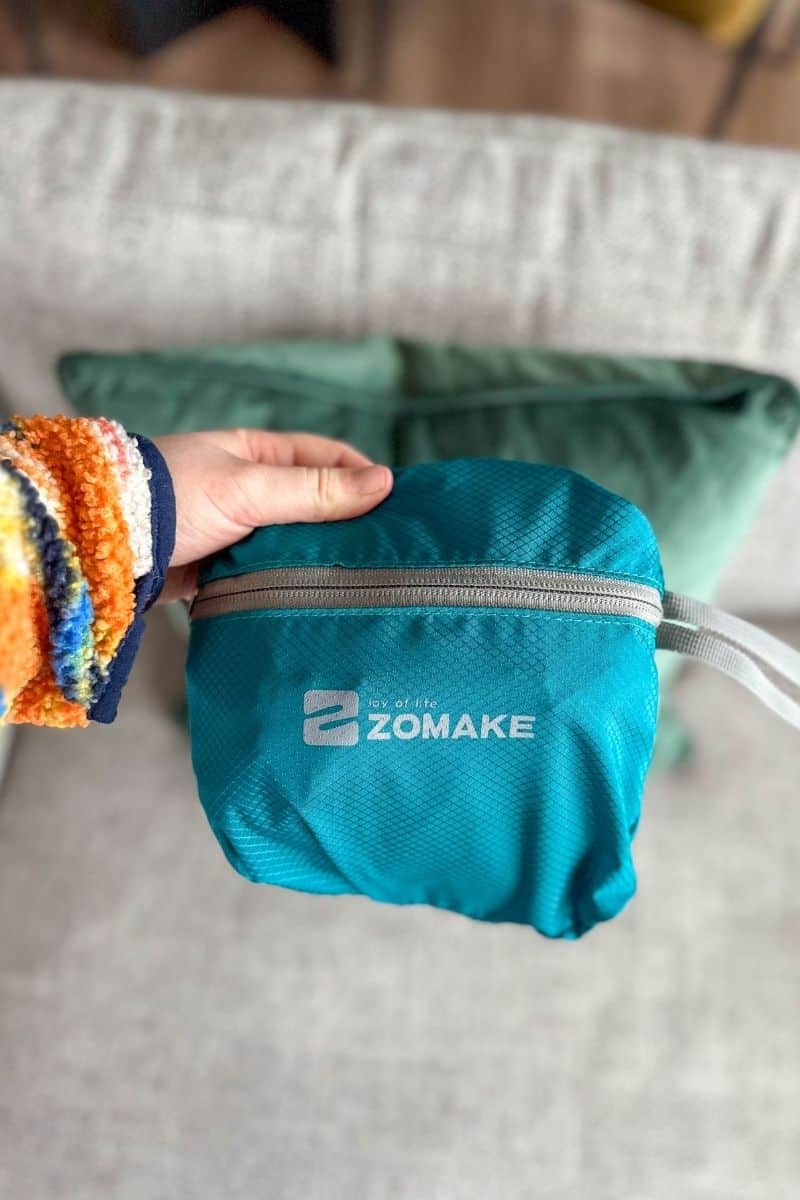
You'll probably be hopping on and off transport throughout the day, so I always recommend carrying a lightweight fold-up day bag (like this one). Mine normally has a rain jacket, water bottle and power bank stuffed inside because Irish weather has a habit of changing the second you've left your hotel.
Explore Dublin
Arriving in Dublin and not sure where to start? It’s the small, practical things that tend to catch people out…
The Dublin App is designed to give you clear, easy access to the information you actually need, all in one place.
✔️ An interactive map showing key locations across the city, from top attractions to everyday essentials
✔️ Live location and directions so you can navigate Dublin with confidence
✔️ Practical information like ATMs, public restrooms, pharmacies, and where to find what you need
✔️ Guidance on getting to and from the airport and using public transport
✔️ Quick access to booking links and useful resources while you’re on the go
It’s everything you don’t realise you need… until you’re standing in the middle of the city trying to figure it out.
Travelling around the rest of Ireland
Once you leave Dublin, your transport options become a little more limited.
Ireland has a good rail network connecting many of the larger towns and cities, while Bus Éireann and several private coach companies cover much of the country.
Public transport works well if you're travelling between Dublin and major destinations like Cork, Galway, Limerick and Belfast.
The challenge comes when you want to explore the places that many visitors come to Ireland to see. Small villages, scenic peninsulas, mountain passes and coastal viewpoints often have limited public transport or no service at all.
That's where hiring a car makes much more sense.
Or, if you don't fancy driving but still want to see places like the Cliffs of Moher, Giant's Causeway or Wicklow, organised day tours are a brilliant middle ground. I normally point people towards GetYourGuide because you can compare different tour options, see recent reviews and find something that suits the amount of time you have. I've listed some of the best options below.
Booking a day tour
Not everyone wants to drive in Ireland, and honestly, you don't have to.
Day tours are one of the easiest ways to see some of Ireland's most famous places without worrying about driving, parking or navigating unfamiliar roads.
If you're basing yourself in Dublin, you'll find tours heading to places like:
- Tour of Wicklow & Kilkenny from Dublin
- Tour of Cliffs of Moher, the Burren & Galway from Dublin
- A Trip up to the Giants Causeway & Carrick a Rede Rope Bridge from Dublin
- Glendalough Half Day Tour from Dublin
- Newgrange, Knowth Hill and Slane Tour from Dublin
I always recommend booking these in advance during the busier months, particularly from late spring through early autumn, as many of the most popular tours sell out.

Driving in Ireland for the first time
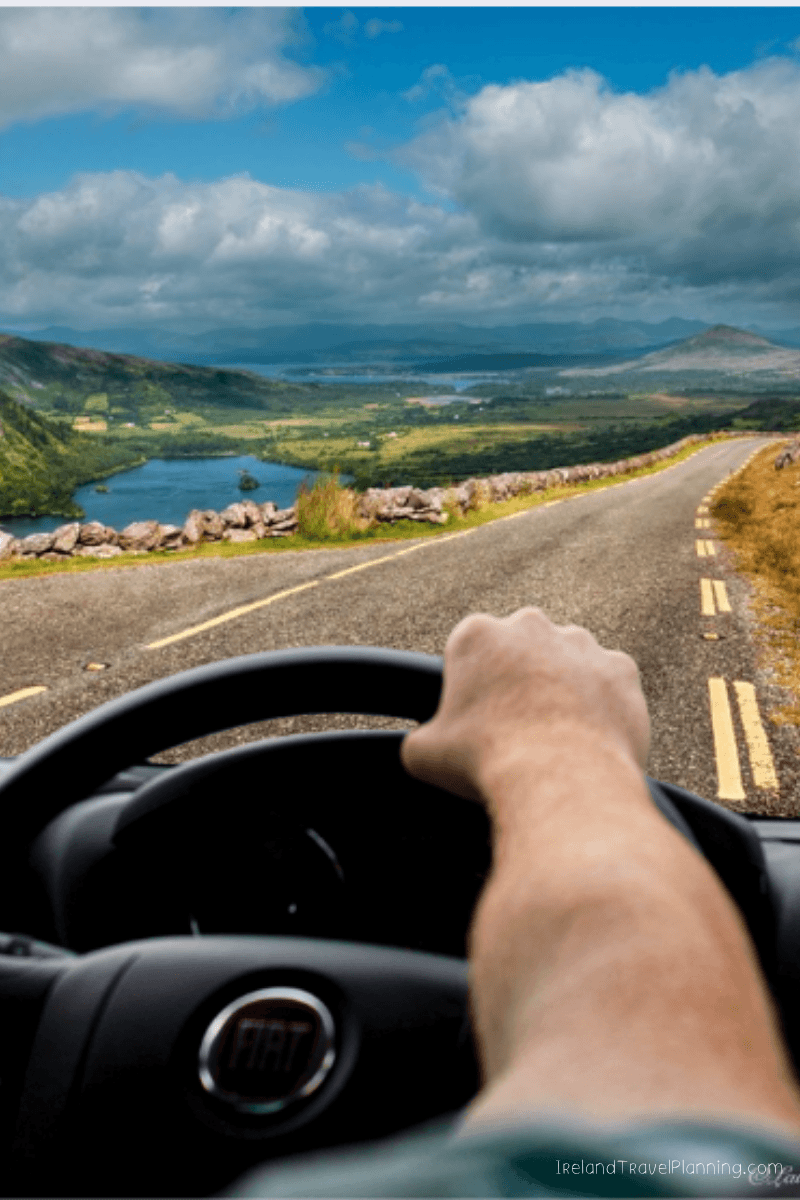
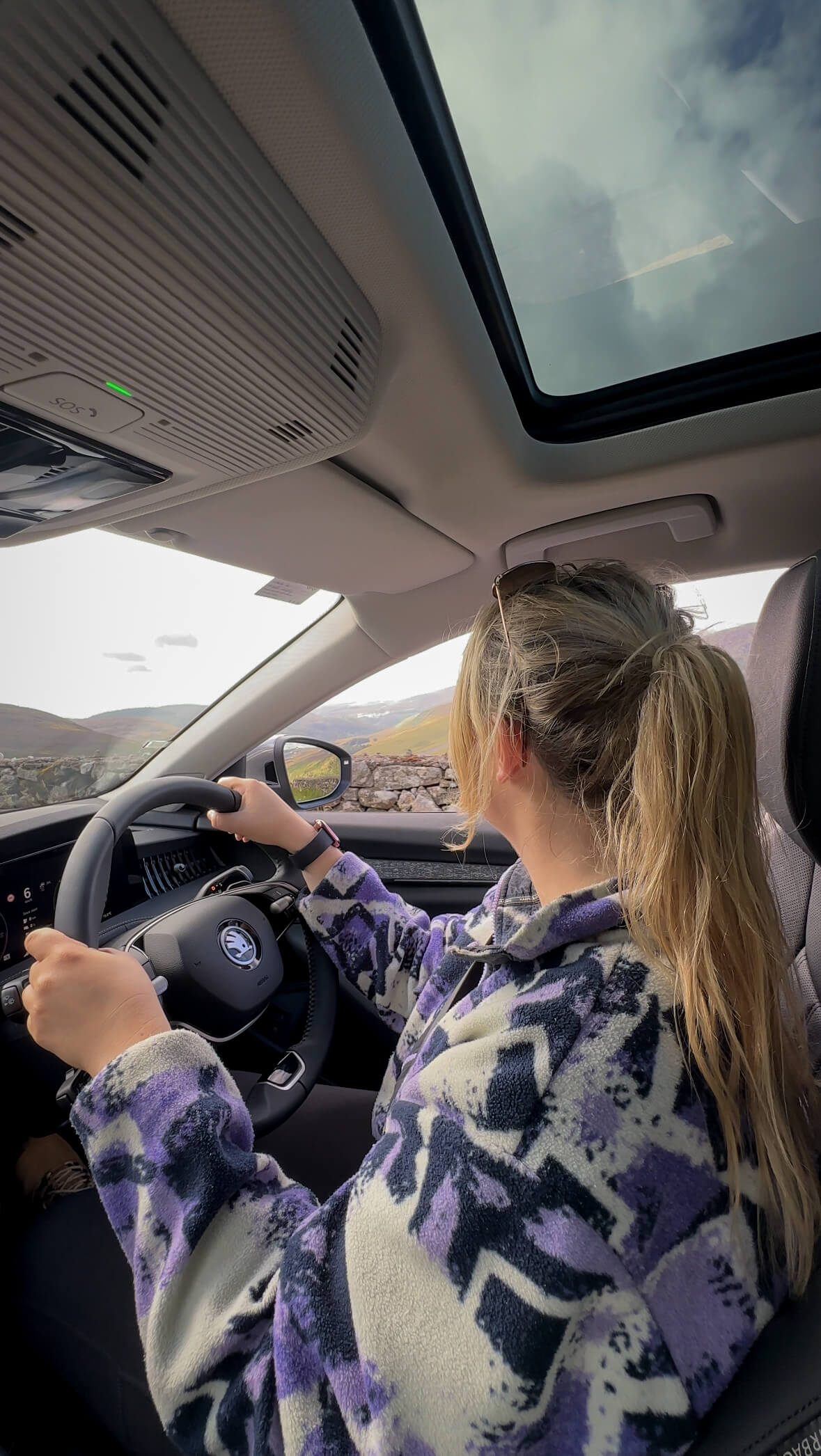
Driving around Ireland is one of the best ways to experience the country.
Some of my favourite places are the ones you simply can't reach easily by public transport. Quiet beaches, hidden valleys, scenic mountain roads and tiny villages often become the highlights of a trip.
That said, I completely understand why so many visitors feel nervous about driving here for the first time.
Honestly, that's one of the biggest reasons I created my Driving in Ireland Toolkit. After helping thousands of people plan trips, I realised most weren't worried about driving itself.
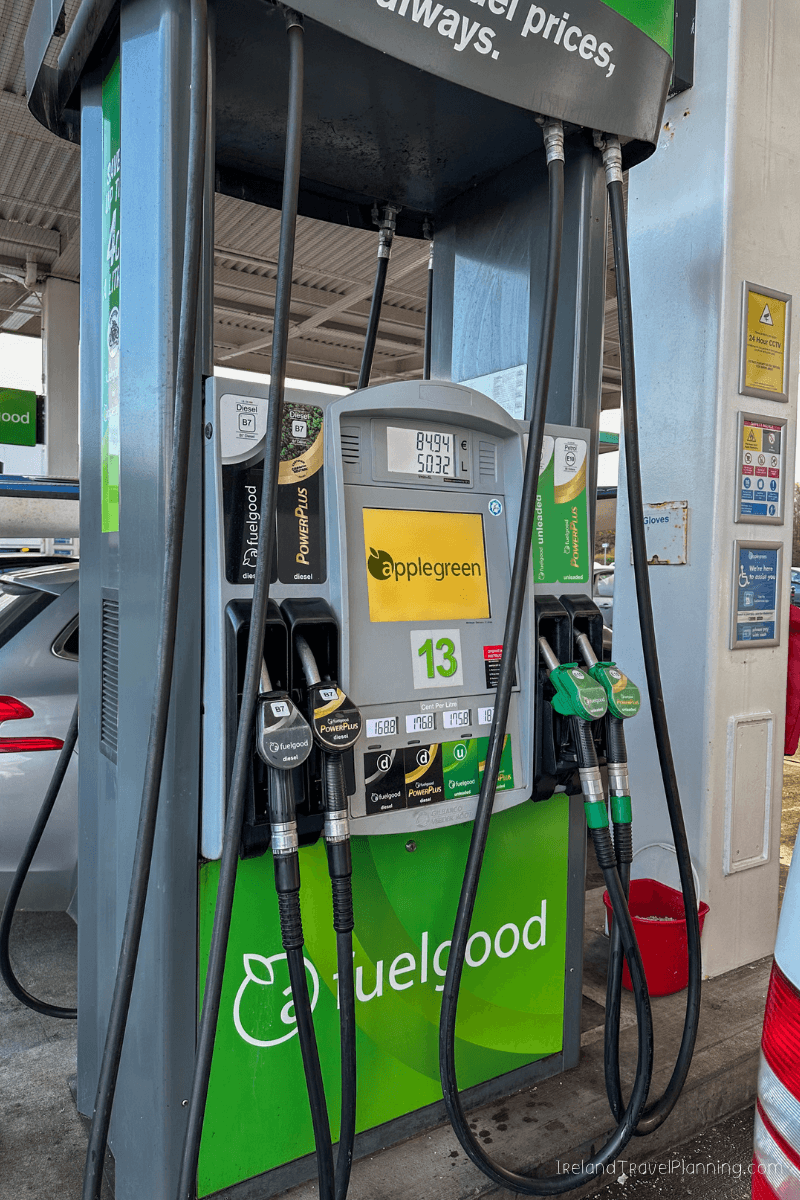
They were worried about the things nobody explains beforehand, like roundabouts, single-track roads, road signs, fuel stations, or whether they'd accidentally end up driving on the wrong side of the road.
The toolkit walks you through all of that before you travel, so you can arrive feeling prepared rather than overwhelmed.
While we're talking about planning ahead, it's also worth checking that your travel insurance covers the type of trip you're taking, especially if you'll be hiring a car or doing activities like hiking.
It's one of those things that's easy to tick off before you leave rather than think about once you're here. If you're comparing policies, VisitorCoverage is a handy place to see different options side by side.
Now, let's go through the questions I hear most often when it comes to driving in Ireland.
Is driving on the left-hand side really that scary?
This is probably the number one question I'm asked.
And honestly… it's nowhere near as bad as most people imagine.
The first hour is usually the hardest. You'll naturally be paying much more attention to your road position, roundabouts and junctions, but most people settle into it surprisingly quickly.
One thing that really helps is hiring an automatic car if you're used to driving on the right. Removing gear changes from the equation lets you concentrate on the road instead.
If you're still feeling nervous, don't worry. I go into much more detail in my Driving in Ireland guide, including roundabouts, narrow roads, road signs and plenty of tips to help you feel more confident before you arrive.
Drive in Ireland
Feeling nervous about driving in Ireland? You’re not the only one… and you don’t have to figure it out alone.
The Ireland Driving Toolkit is a practical guide with clear local advice and no guesswork.
✔️ Custom Google Maps with petrol stations and toll roads mapped out.
✔️ Cheat sheets for roundabouts, road signs and km to miles.
✔️ Straightforward tips on tolls, navigation and what to expect on different road types.
Plus, the small local details most guides skip, but make all the difference once you’re here.
Does Ireland have automatic cars?
Yes, although manual cars are still much more common.
If you normally drive an automatic, I'd strongly recommend booking one for your trip. They can be more expensive than manual cars and often sell out first during the busiest months, so it's worth comparing prices early if that's what you want.
For many visitors, paying a little extra for an automatic is well worth the added confidence.
If you're using Google Maps while driving, a simple dashboard phone holder (like this one) is well worth bringing with you. It's one of those things that's far easier to pack from home than try to find after you've landed.
A self-drive road trip is one of the best ways to see Ireland
While it's perfectly possible to visit Ireland without hiring a car, having your own transport opens up a completely different side of the country.
Some of my favourite places, from hidden beaches and mountain passes to tiny villages and scenic viewpoints, are much easier to reach by car than by public transport.

It also gives you the freedom to stop whenever something catches your eye, rather than watching it disappear through the coach window.
If you're comparing prices, I usually recommend checking Discover Cars before booking. It's a comparison site rather than a rental company, so it's an easy way to see what's available across multiple providers and compare prices before making a decision.
Once you've got the car sorted, the next thing is feeling confident enough to enjoy the drive. That's exactly what my Driving in Ireland Toolkit is designed to help with.
You can spend less time worrying about what to do and instead feel confident doing it.
Do I need to worry about toll roads?
Ireland has several toll roads, and if you're doing a road trip, there's a good chance you'll use at least one of them.
Most tolls can be paid as you drive through, but the M50 motorway around Dublin works differently.
There's no traditional toll booth. Instead, your registration plate is recorded electronically and the toll must be paid afterwards unless it's already covered by your rental company.
Most car hire companies offer an electronic toll option, which I generally think is worth choosing if it's available. It saves having to remember payments during your trip and makes driving much more straightforward.
Are Irish road signs in Irish?
Yes… but don't panic.
Road signs throughout the Republic of Ireland are usually written in both Irish and English, so you'll have no trouble finding your way around.
The main exception is in the Gaeltacht, where Irish is the primary language. In these areas, you'll often see road signs in Irish only. If you're using Google Maps or another sat nav, though, it's rarely an issue as the locations will still match your route.
If you're driving into Northern Ireland, you'll notice another change. Road signs are generally in English only, and speed limits switch from kilometres per hour to miles per hour.
Are rural roads in Ireland dangerous?
I'll be honest… this is usually the part that makes visitors the most nervous.
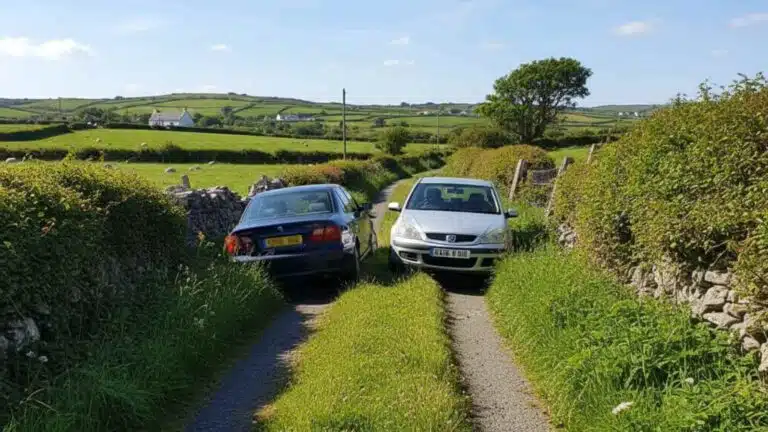
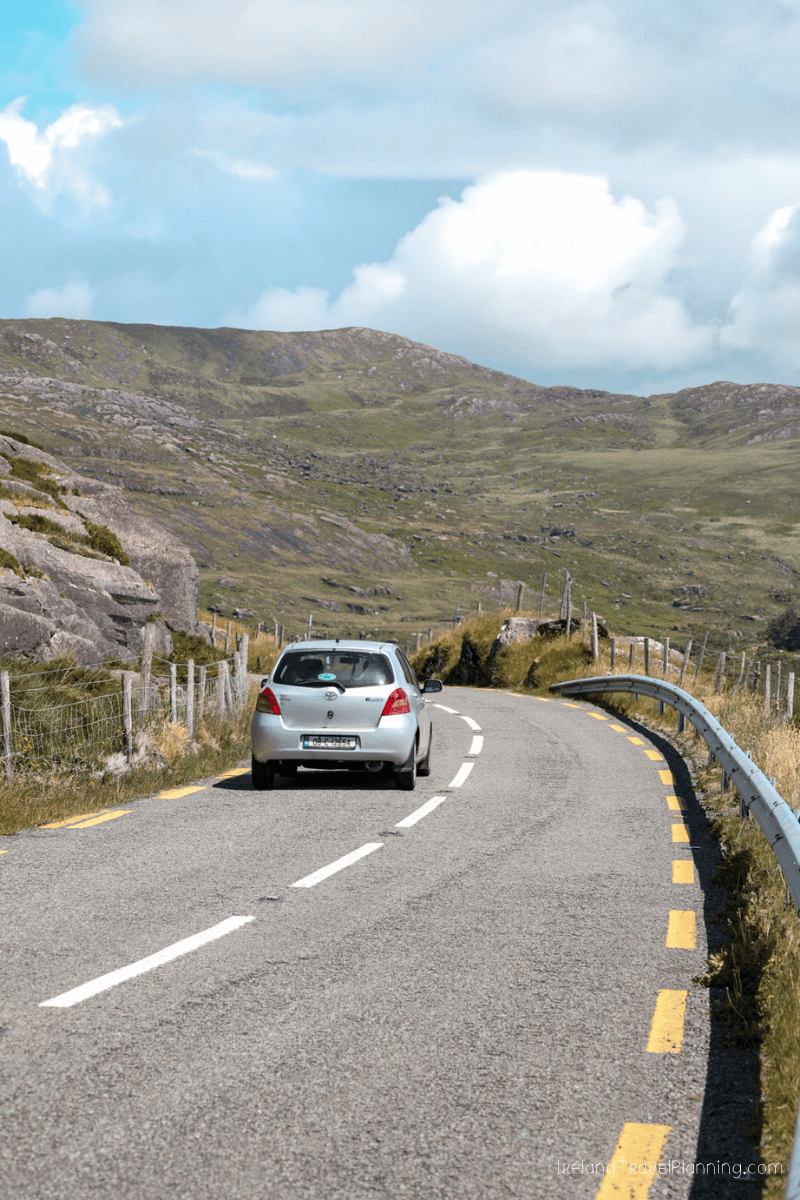
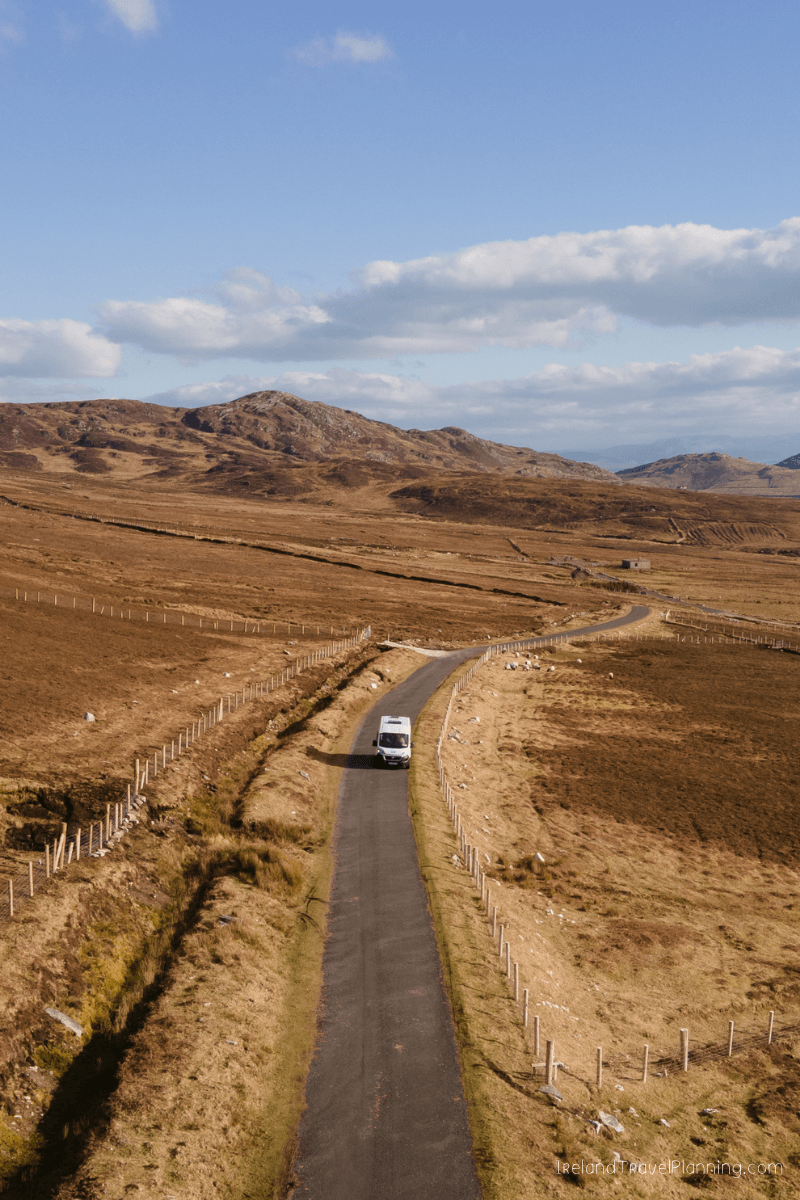
Many of Ireland's rural roads are much narrower than people expect, particularly along parts of the Wild Atlantic Way. It's completely normal to find yourself sharing the road with tractors, cyclists, sheep or the occasional herd of cows.
The important thing is not to feel pressured into driving at the maximum speed limit.
Some rural roads are posted at 80 km/h or even 100 km/h, but that doesn't mean those speeds are always appropriate. I regularly drive well below the limit on certain roads because the bends are tight, visibility is limited or there simply isn't enough room.
If someone catches up behind you, don't panic. When it's safe to do so, pull in and let them pass. Most local drivers are used to sharing the roads with visitors and would much rather you drive at a speed you're comfortable with than feel pressured into taking risks.
Trust me on this one… it's far better to arrive a few minutes later than spend your entire drive feeling stressed.
How are speed limits measured in Ireland?
This is one of those things that's easy to overlook until you're behind the wheel.
In the Republic of Ireland, speed limits are shown in kilometres per hour (km/h).
Once you cross into Northern Ireland, they switch to miles per hour (mph), so it's important to pay attention to the signs, especially if you're crossing the border during your road trip.
I've included a kilometers-per-hour vs. miles-per-hour cheat sheet in my Ireland driving toolkit. It walks you through everything you need to know before driving in Ireland, because the key thing is having your mindset in the right place.
Ireland also takes speeding seriously.
You'll come across fixed speed cameras, average speed cameras on some routes and mobile speed vans operated by An Garda Síochána (the Gardaí), Ireland's national police service. Garda patrol cars also carry out speed enforcement throughout the country.
If you're driving a rental car and receive a speeding fine, don't assume it disappears because you've flown home. Rental companies can pass your details on and may also charge an administration fee for processing the penalty.
The easiest advice I can give is simply to stick to the posted speed limits. They're there for a reason, particularly on some of Ireland's narrower rural roads.
Drive in Ireland
Feeling nervous about driving in Ireland? You’re not the only one… and you don’t have to figure it out alone.
The Ireland Driving Toolkit is a practical guide with clear local advice and no guesswork.
✔️ Custom Google Maps with petrol stations and toll roads mapped out.
✔️ Cheat sheets for roundabouts, road signs and km to miles.
✔️ Straightforward tips on tolls, navigation and what to expect on different road types.
Plus, the small local details most guides skip, but make all the difference once you’re here.
Crossing the border into Northern Ireland
This is probably one of the questions I'm asked most often, and thankfully, it's much simpler than many people expect.
There are no passport checkpoints or physical border controls between the Republic of Ireland and Northern Ireland, so if you're driving across the border, you may not even realise you've crossed it.
In fact, the biggest clues are usually that the road signs change, speed limits switch from kilometres per hour to miles per hour and prices suddenly appear in pounds instead of euro.
That said, there are still a few things worth checking before your trip.
If you're hiring a car, make sure your rental company allows you to take the vehicle into Northern Ireland. Most do, but some charge an additional cross-border fee or ask you to let them know in advance.
It's also worth checking your insurance covers driving in both jurisdictions.
One important update in recent years is the UK's Electronic Travel Authorisation (ETA).
Depending on your nationality and where you live, you may need an ETA before travelling into Northern Ireland, even if you're crossing the land border from the Republic of Ireland. Irish and British citizens are exempt, but requirements vary for other nationalities, so it's worth checking the latest guidance before you travel.
If you're planning to visit both the Republic of Ireland and Northern Ireland, double-check that your mobile data plan covers both before you travel.
Some eSIMs labelled ‘Ireland' only cover the Republic. For example, if you get an eSim with Airalo, you are far better off going for this plan as it covers both the North and South. You can also use the code IRELAND10 for 10% off your first eSIM.
Are there any motorway rules I should know?
Irish motorways are generally very easy to drive on, and if you've driven on motorways before, they'll feel familiar.
One rule that catches some visitors out is lane discipline.
Unless you're overtaking, you should stay in the left-hand lane. The lanes to the right are for overtaking, not for cruising along at the speed limit.
You'll probably notice that not everyone follows this rule perfectly, but it's still the correct way to drive.
If you're travelling around Dublin, you'll also likely use the M50. As I mentioned earlier, this motorway uses a barrier-free electronic toll system, so there isn't a traditional toll booth to stop at. If your rental company doesn't automatically handle the tolls, make sure you know how they'll be paid to avoid additional charges later.
Ireland Travel Tips: Packing, Weather & the Best Time to Visit
The weather is probably one of the biggest things people worry about before visiting Ireland.
I completely understand why. One person tells you to pack shorts, another tells you to bring a winter coat, and before you know it you're wondering if your suitcase is big enough for your entire wardrobe.
The truth is, Ireland's weather isn't as bad as people make it out to be. It just likes to keep you guessing.
Here's what I'd know before packing your bags.
What's the weather really like in Ireland?
Let's get one thing out of the way…
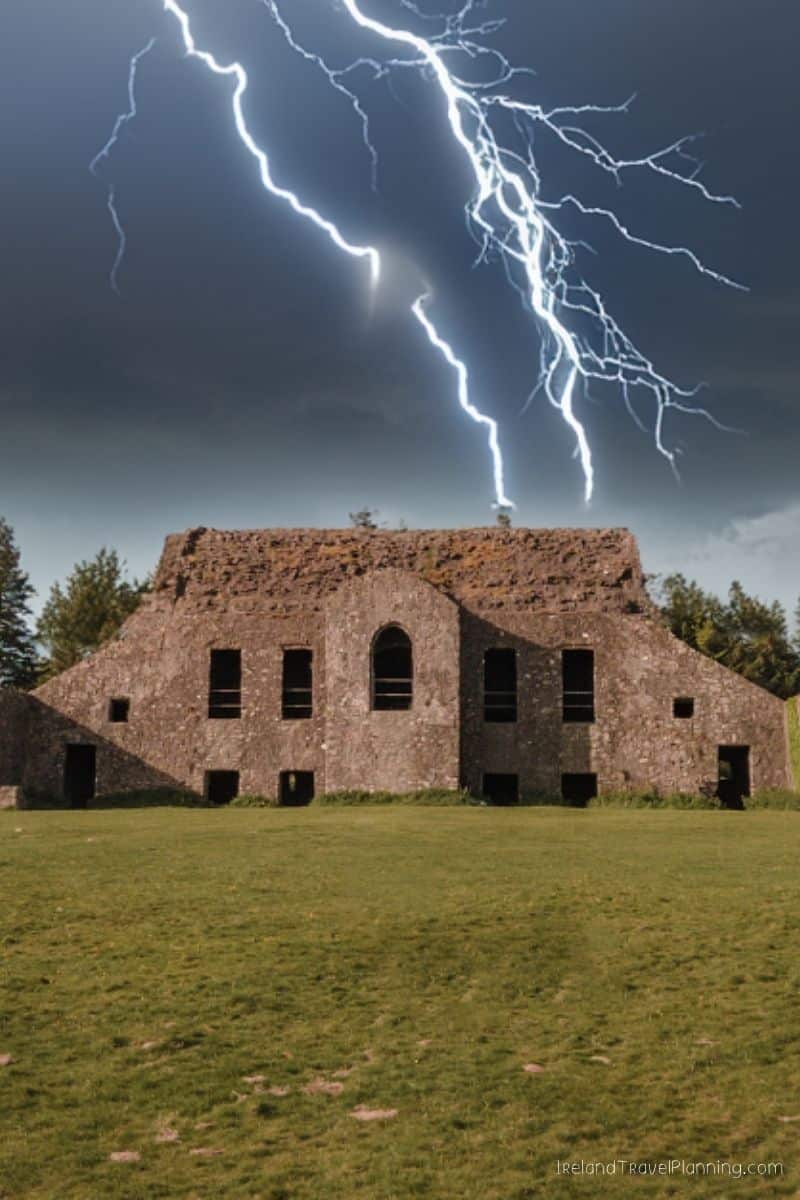
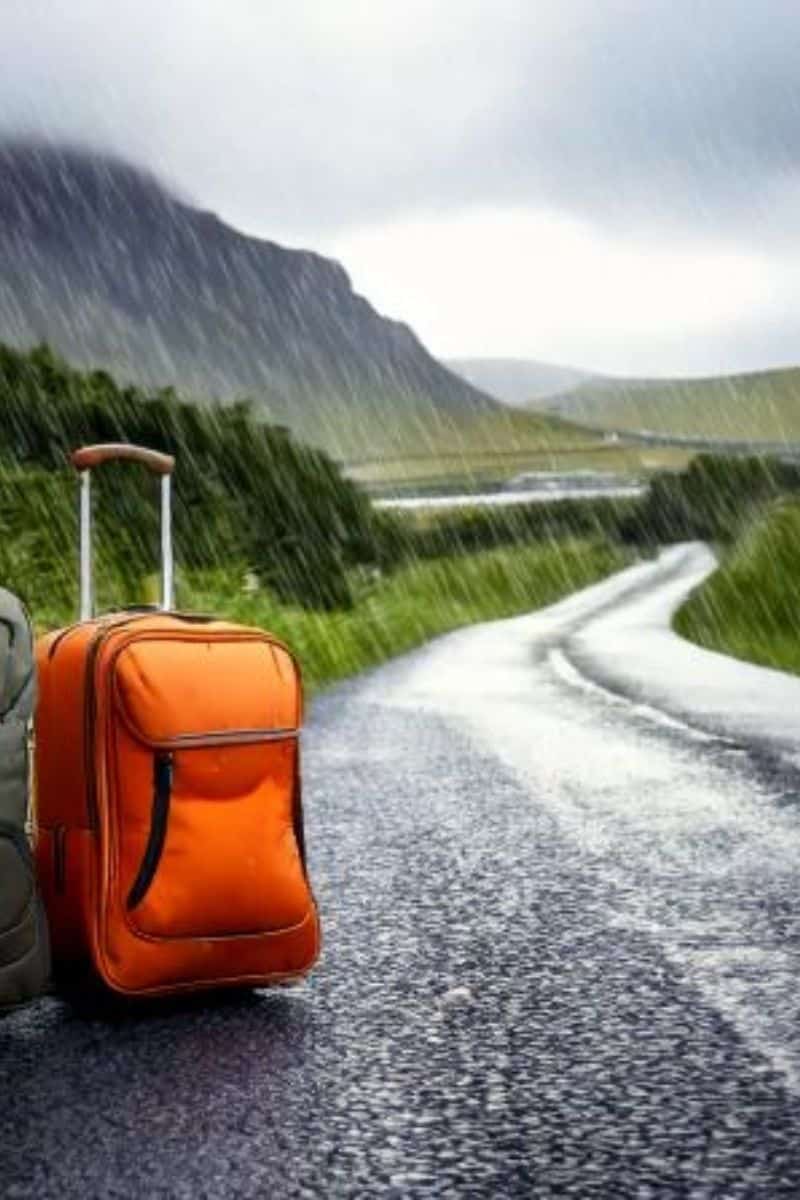
Yes, the weather in Ireland really can change several times in a single day.
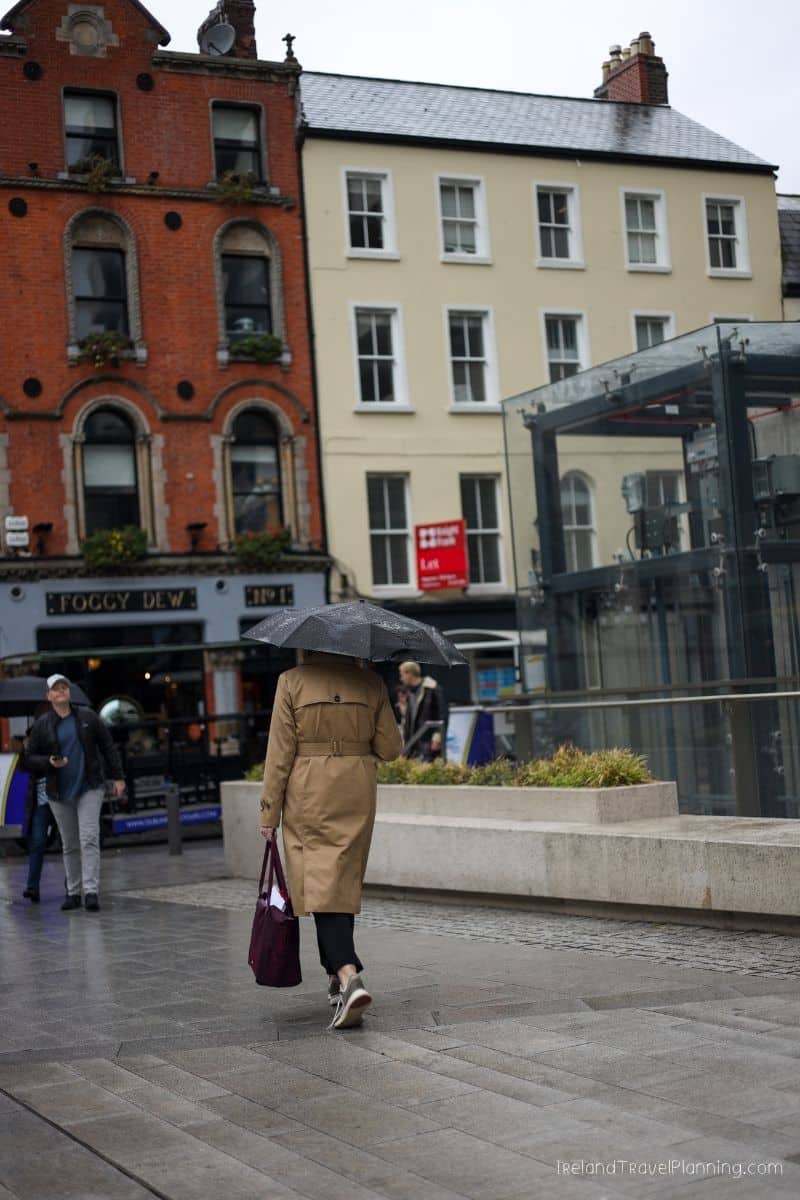
Rain, shine or sideways sleet, it's all part of living on a small island in the Atlantic. You can wake up to blue skies, get caught in a heavy shower over lunch and be sitting outside enjoying the sunshine again by dinner.
That doesn't mean it rains all day every day though, despite what you've probably heard.
Most of the time, showers pass through fairly quickly, especially during spring and summer. It's one of the reasons you'll often hear Irish people saying, “Sure it'll clear in a few minutes.”
The weather is unpredictable, but it shouldn't put you off exploring. With the right clothing, you'll still be able to enjoy almost everything on your itinerary.

How should I pack for Ireland?
If there's one piece of advice I could give every first time visitor, it's this…
Pack for layers, not for seasons.
Rather than bringing one big heavy coat, think about wearing lighter layers that you can add or remove throughout the day.
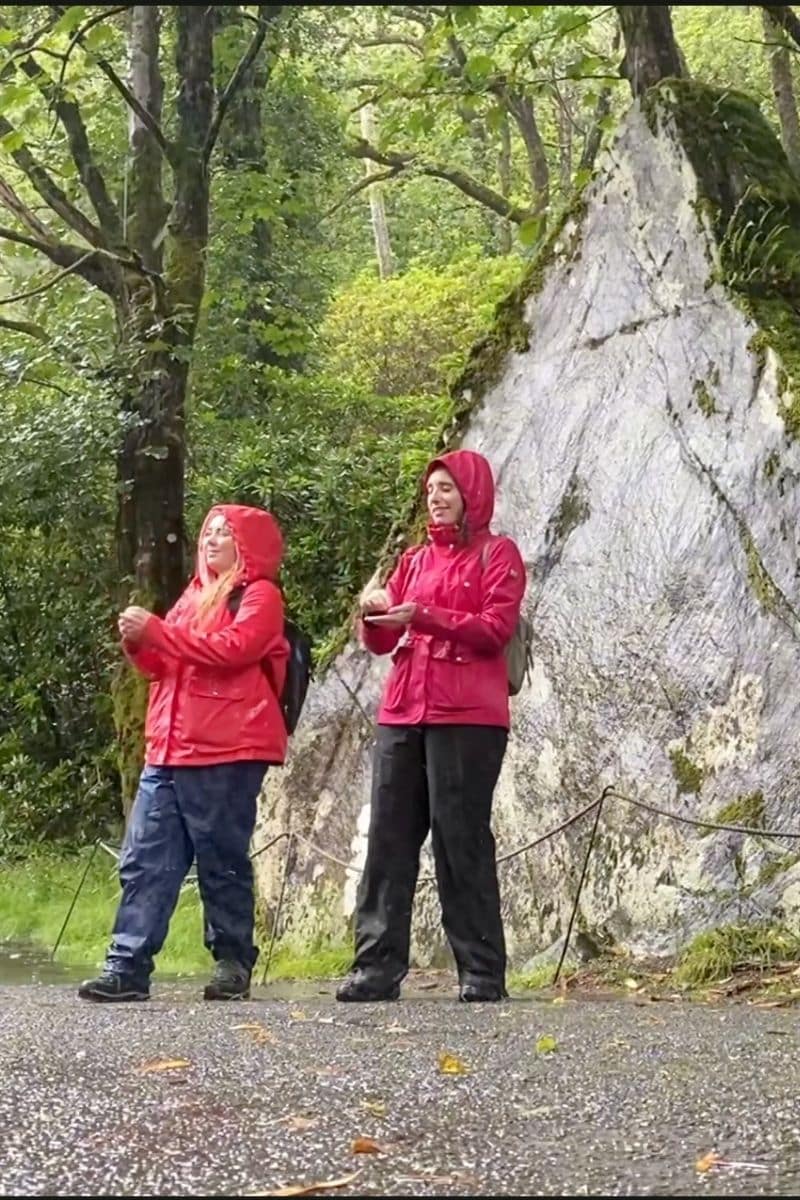
A waterproof rain jacket is something I'd consider essential, regardless of when you're visiting.
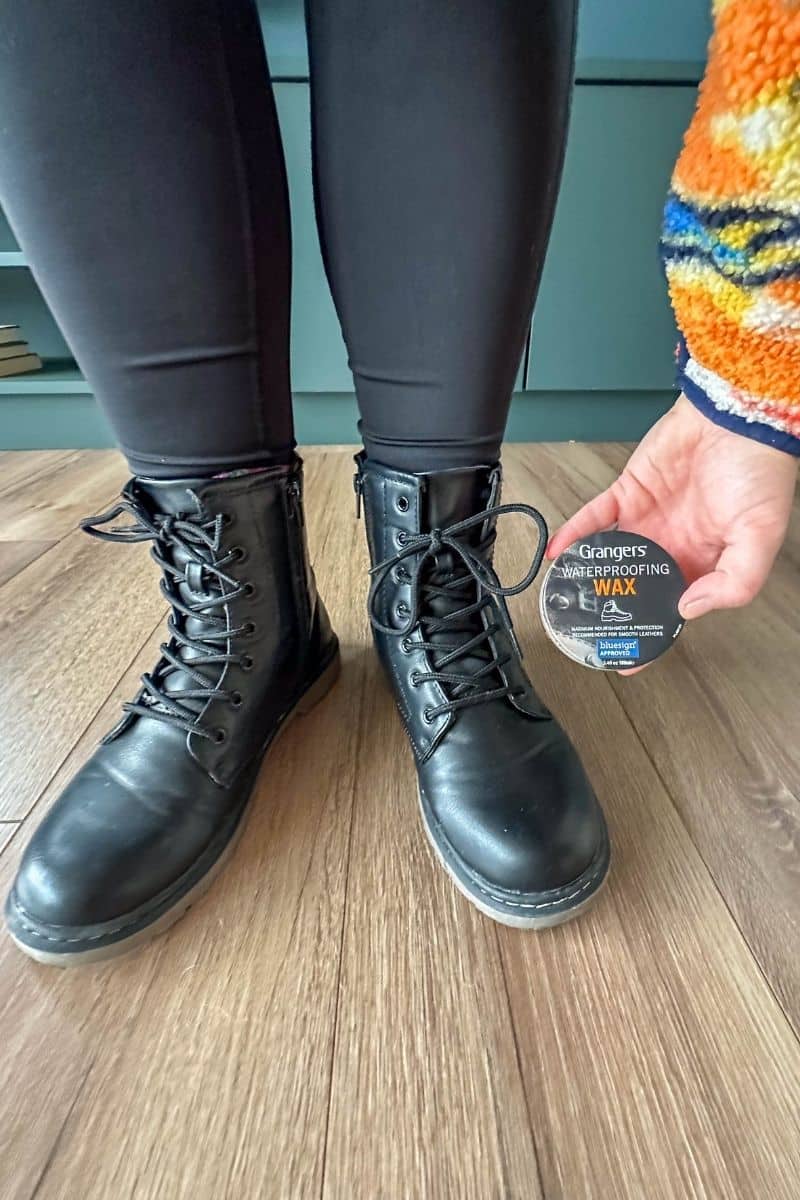
Waterproof shoes or hiking boots are another item people are always grateful they packed, particularly if you're planning on exploring places like the Cliffs of Moher, Killarney National Park or anywhere along the Wild Atlantic Way.
I'd also throw a pair of sunglasses into your bag.
I know that probably sounds ridiculous after telling you to pack rain gear, but trust me on this one. I've lost count of the number of times I've needed both on the same day.
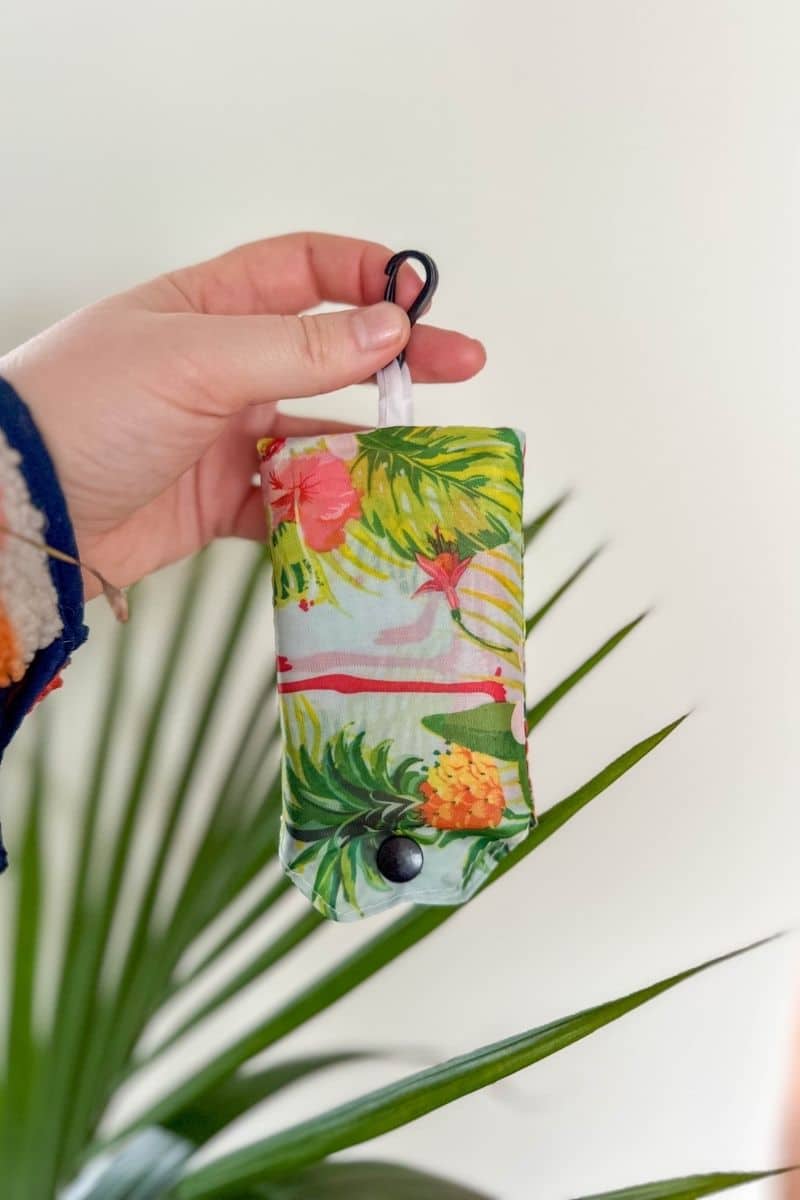
And if I'm being honest, my favourite waterproof item that surprises most people is waterproof trousers (like these ones). No, they're not pretty, but honestly, having them in your bag beats not being able to see bucket-list destinations across Ireland because the weather had other plans.
And if you'd like to avoid the common packing mishaps, I've put together a detailed Ireland Packing post that covers things you should and should not bring with you to Ireland.
Pack for Ireland
Never Wonder “Did I Forget Something?”
A printable Ireland packing guide created by a local, so you know exactly what to bring for Ireland.
✔ Complete packing checklist
✔ Seasonal additions
✔ Hiking & road trip essentials
✔ Local recommendations
How do I prepare for Ireland's weather?
The best thing you can do is accept that the forecast is exactly that… a forecast.
Even when rain is predicted, it doesn't necessarily mean you'll spend the whole day getting soaked. Quite often it's just a passing shower before the sun reappears.
Rather than cancelling plans because you see a cloud on your weather app, I'd simply bring a lightweight waterproof jacket and carry on.
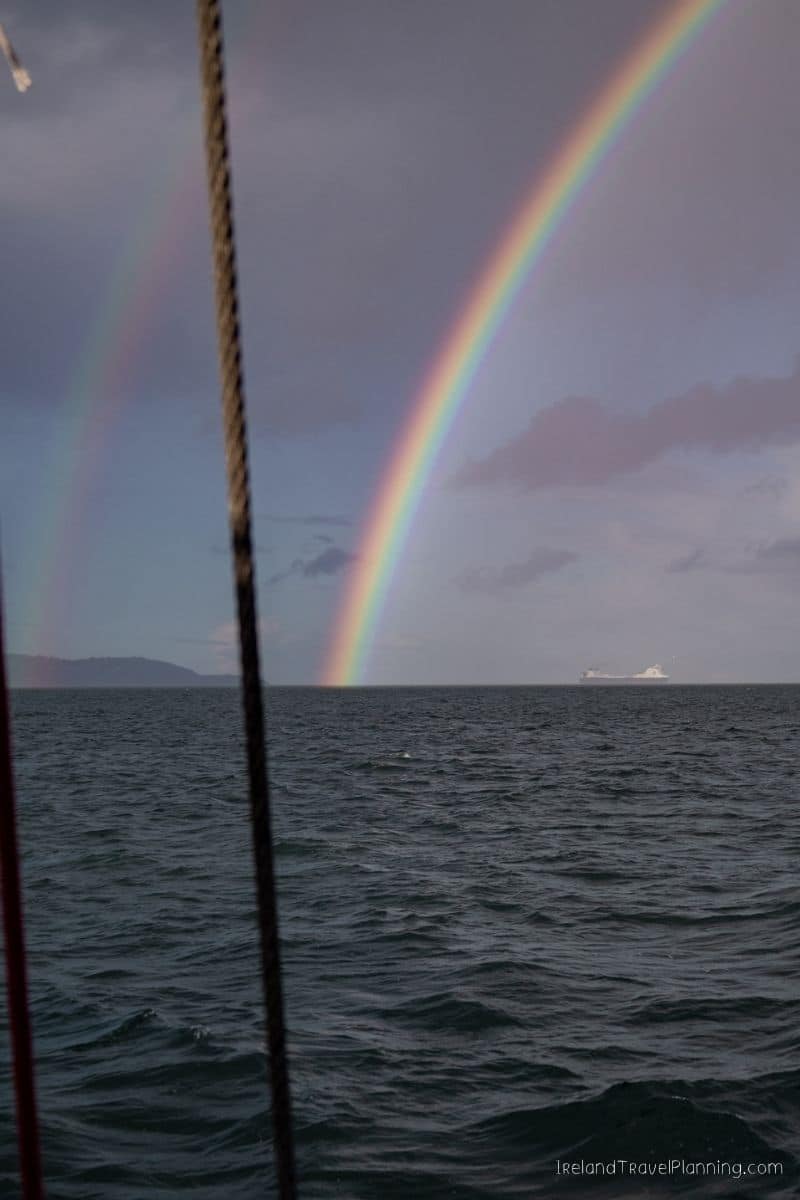
Some of my favourite days exploring Ireland have included sunshine, rainbows, dramatic clouds and a quick rain shower, sometimes all within the space of an hour.
That's just part of the experience.
When is the best time to visit Ireland?
This is probably the hardest question in this entire guide because the answer really depends on the type of trip you're planning.
If you want the longest days and your best chance of warm weather, June is hard to beat. The countryside is incredibly green, attractions stay open later and you'll have plenty of daylight for road trips.
September is another of my favourite months. The summer crowds have started to thin out, the weather is often surprisingly good and accommodation can be a little easier to find.
If you're hoping to experience Ireland's festive atmosphere, December can also be a lovely time to visit. Cities light up with Christmas decorations, cosy pubs feel even cosier and there's a brilliant atmosphere despite the shorter days.
Spring and autumn are fantastic if you don't mind slightly cooler temperatures. You'll often find fewer crowds while still having plenty of daylight for sightseeing.
Honestly though, I don't think there's a bad time to visit Ireland.
Every season has something different to offer. Summer brings long evenings, autumn fills the forests with colour, winter has cosy pubs and Christmas markets, while spring sees the countryside come back to life.
The best time to visit is usually the time that suits your trip, your budget and the kind of experience you're hoping to have.
The North and South of Ireland: Understanding the Border
If you're planning a trip around Ireland, there's a good chance you'll end up crossing the border at some point.
From a practical point of view, it's incredibly straightforward. There are no passport checkpoints or border barriers, and if you're driving, you might not even realise you've crossed until you notice the speed limits have changed from kilometres per hour to miles per hour or prices have switched from euro to pounds.
Now… before I explain the difference between the Republic of Ireland and Northern Ireland, I'm going to give the shortest explanation I possibly can.
For completely legal reasons… we're not getting into Irish politics today. 😅
Officially, the Republic of Ireland is an independent country and Northern Ireland is part of the United Kingdom.
Identity, however, is a little more complicated.
Many people in the Republic of Ireland, and many people living in Northern Ireland, see the whole island as Ireland and identify as Irish.
Others in Northern Ireland identify as British and see Northern Ireland as part of the United Kingdom.
Neither identity is something visitors need to worry about navigating. It's simply helpful to understand that people identify differently depending on their own background, community and experiences.
The important thing to know as a visitor is that the border itself is easy to cross, but there are a few practical differences you'll notice:
- You'll switch from euro to pounds.
- Speed limits change from kilometres per hour to miles per hour.
- Some laws and public services are different.
- If you're hiring a car, make sure your rental company allows you to cross the border.
- And you may need an ETA visa to enter Northern Ireland depending on your nationality.
If you're interested in Ireland's history, I'd genuinely recommend asking questions on a guided tour. Tour guides are brilliant at explaining the historical context in a balanced way, and you'll come away with a much better understanding than you would from a quick paragraph in a travel guide.
Most importantly, don't let the border put you off exploring. Some of my favourite places on the island are in Northern Ireland, and it's absolutely worth including if you have the time.



Things to Know Before Going to Ireland: Food, Glorious Food
No Ireland travel guide would be complete without talking about the food.
Now, I'm not talking about Michelin-starred restaurants or fine dining.
I'm talking about the foods that Irish people genuinely grow up eating. The ones you'll find in local delis, neighbourhood chippers and supermarkets.
Some of them might sound a little strange at first, but if you want to experience Ireland like a local, I'd encourage you to try at least one of them.
A Tayto Sambo (Potato Crisp Sandwich)
Let's start with one that usually confuses people the most.
A Tayto sandwich, or Tayto sambo as you'll often hear it called, is exactly what it sounds like. Two slices of soft white bread, plenty of Kerrygold butter and a packet of Tayto cheese and onion crisps.
That's it.
And yes… it's genuinely delicious.
If you want the full Irish experience, I'd also recommend using Brennans bread. Most Irish people will tell you there are certain brands that simply can't be substituted, and honestly, I'm inclined to agree.
It might sound odd, but it's a don't knock it till you try it kind of thing.
A Spice Bag
If you ask an Irish person for the ultimate takeaway after a night out, there's a very good chance they'll say a spice bag.
Originally inspired by Chinese takeaways, a spice bag usually contains crispy chicken, chips, onions, peppers and a generous helping of seasoning, all tossed together in one paper bag.
It's salty, spicy, completely over the top… and absolutely brilliant.
You'll find them in Chinese takeaways and many chippers across the country.
Irish Deli Food
One thing visitors often don't expect is just how good Irish deli counters are.
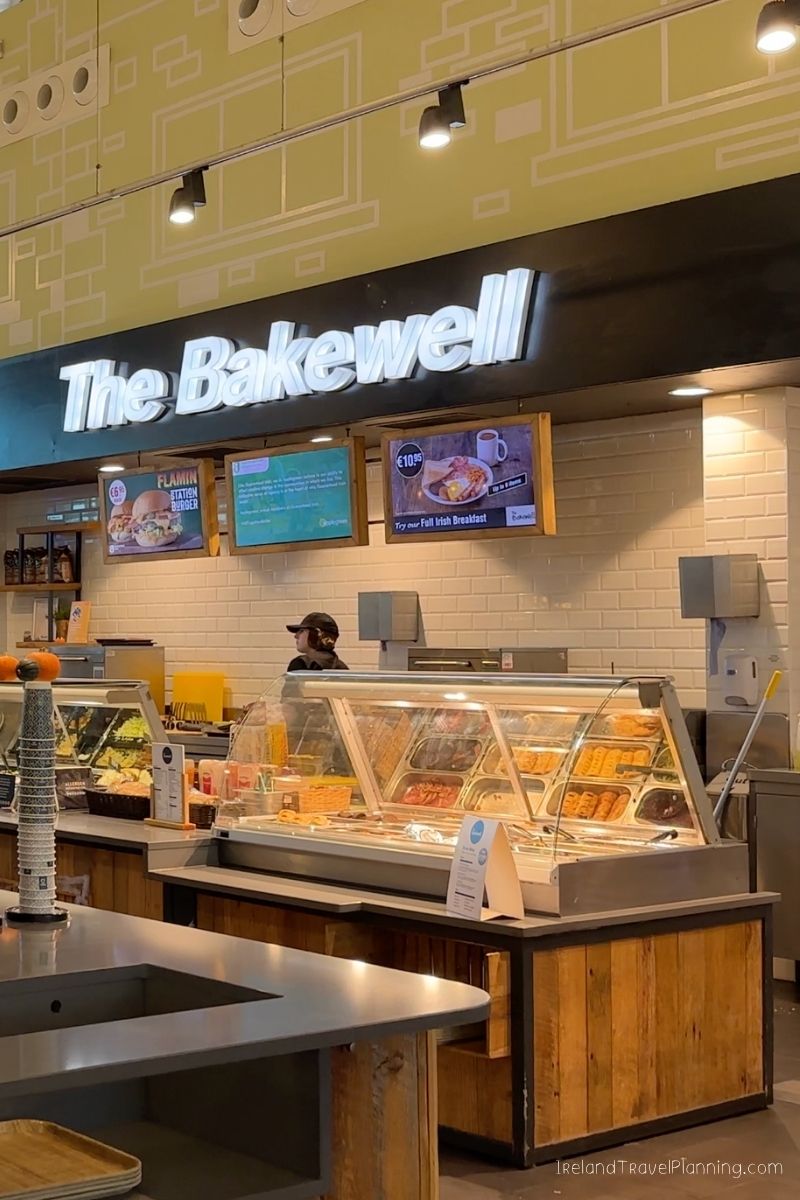
Walk into most supermarkets or larger convenience stores and you'll usually find a deli serving freshly made rolls, wraps and sandwiches with both hot and cold fillings.
The most famous is probably the chicken fillet roll, but breakfast rolls, jambons and sausage rolls are all worth trying too if you're looking for a quick lunch while exploring.
Honestly, if you're trying to keep your trip affordable, Irish delis are one of the best places to grab a filling meal without spending a fortune.
The Local Chipper
Every town seems to have a favourite chipper, and if you ask the locals where to go, you'll almost certainly get several different answers.
A chipper is our version of a fish and chip shop, although you'll usually find everything from battered fish and burgers to chicken, sausages and curry chips on the menu.
And yes… some Irish people still bring their chips home and make a chip sandwich with butter and bread.
I'm not saying you have to try that one…
…but you certainly wouldn't be the first.
Traditional Irish Food
When people think of Irish food, they usually picture hearty, comforting meals, and honestly, that's not far off.
If you want to try some of the traditional dishes you'll find across the country, here are a few I'd recommend adding to your list.
A Full Irish Breakfast
If you're staying in a hotel or B&B, chances are you'll come across a Full Irish Breakfast more than once on your trip.
A traditional Full Irish usually includes sausages, rashers (our version of bacon), black and white pudding, eggs, beans, grilled tomato, mushrooms and toast. Some places also serve fried bread or potato farls, particularly in Northern Ireland.
It's definitely not an everyday breakfast for most of us anymore, but it's something every visitor should try at least once.
An Irish Stew
Irish stew is one of those dishes that's been around for generations.
Traditionally made with lamb, potatoes, onions and root vegetables, it's simple, comforting and exactly the kind of meal you'll appreciate after a long day exploring in the Irish weather.
Every pub seems to have its own version, and everyone will tell you theirs is the best.
A Traditional Carvery
If you really want to eat like a local, find a pub serving a traditional carvery.
A typical carvery lets you choose from roast meats like beef, turkey or ham, served with plenty of vegetables, potatoes, stuffing and generous helpings of gravy.
Many pubs offer them every Sunday, while others serve them throughout the week.
It's proper comfort food, and one of my favourite lunches after a morning exploring.
General Tips for Visiting Ireland
We've covered a lot already, but there are a few final tips I think are worth knowing before you arrive.
Some of these are practical, while others are simply things I've learned from helping thousands of people plan their trips to Ireland over the years.
Hopefully they'll make your visit that little bit smoother.
Budget for More Than You Think
I'll be honest, Ireland isn't the cheapest country to visit.
Accommodation will usually be your biggest expense, particularly if you're travelling during the summer months. Eating out, attraction tickets and car hire can also add up quite quickly.
That doesn't mean Ireland has to break the bank though.
One of my favourite things about travelling around Ireland is that some of the best experiences are completely free. Coastal walks, mountain hikes, beaches, scenic drives and colourful little towns often end up being the highlights of a trip.
If you're travelling on a tighter budget, I'd recommend booking accommodation and car hire as early as possible, travelling outside the busiest summer weeks if you can, and mixing paid attractions with plenty of Ireland's incredible free experiences.
Phone Service and Mobile Data
These days, staying connected in Ireland is much easier than it used to be.
If your mobile provider doesn't include Ireland in your roaming plan, I'd recommend setting up an eSIM before you travel.
Airalo is my go to eSim, you can use the code IRELAND10 for 10% off your purchase.
It's usually much easier than trying to find a local SIM card after you arrive, and you'll have mobile data ready to go as soon as you land.
If you do decide to buy a local SIM, you'll find options from providers like Vodafone, Three and Eir throughout the country.
Don't Only Visit Dublin
Now, don't get me wrong…
I absolutely love Dublin (Although I may be biased) 😆
But if there's one piece of advice I'd give every first-time visitor, it's to leave the capital for at least a few days if you can.
Ireland's greatest strength isn't one city. It's the variety.
One day you could be wandering through the streets of Dublin, the next driving the Wild Atlantic Way, hiking in Killarney National Park or exploring tiny villages you've probably never heard of before.
Even if you're only visiting for four or five days, I'd try to include at least one day trip outside Dublin.
Trust me on this one… you'll see a completely different side of Ireland.
Don't Forget a Travel Adapter
Ireland uses Type G plugs, the same as the United Kingdom, with a standard voltage of 230V.
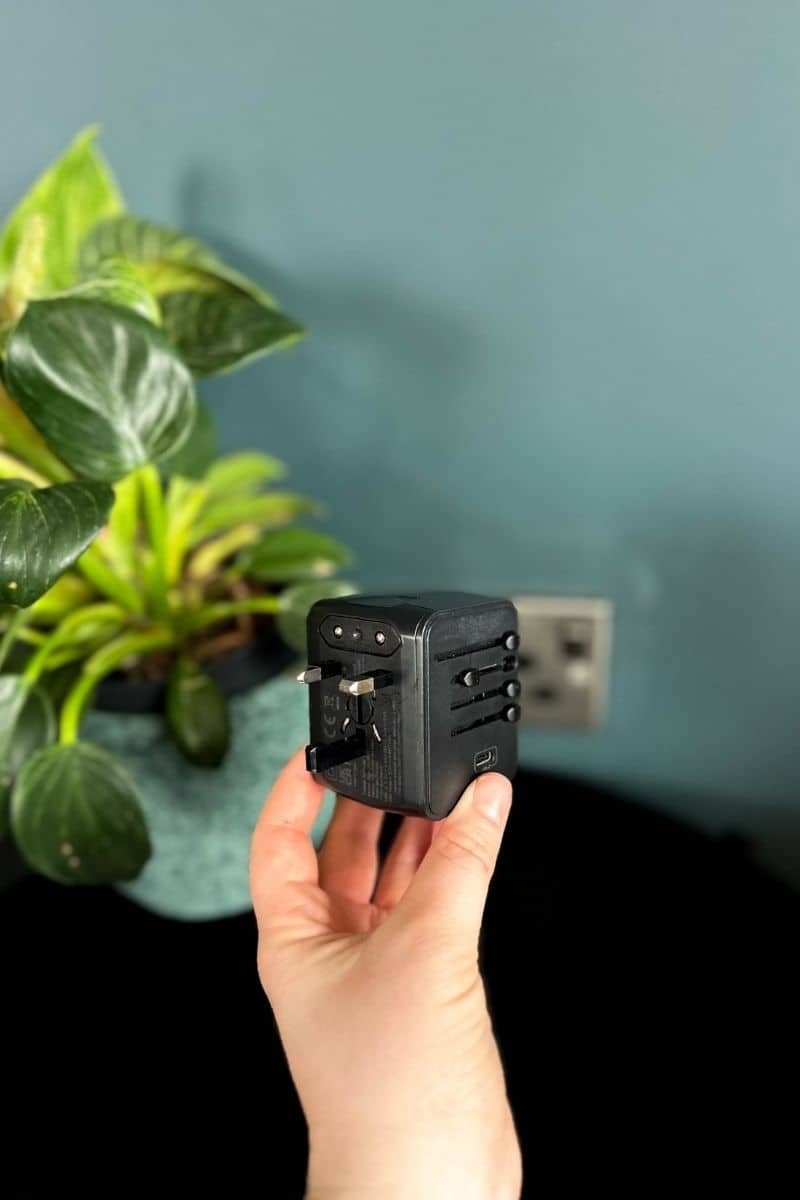
And while getting an adapter specifically for Ireland is convenient, I always recommend getting a universal adapter (like this one) instead, because that means it will work for multiple trips abroad and you can even use it at home.
It's one of those little things that's incredibly easy to forget until you're standing in your hotel room with a flat phone battery.
Is Ireland Safe?
Overall, Ireland is a very safe country to visit, and it's one of the reasons so many people choose it for their first solo trip.
Like anywhere in the world, it's still important to use common sense. Keep an eye on your belongings in busy tourist areas, avoid leaving valuables visible in your car and be aware of your surroundings if you're walking alone late at night.
If you're heading off on a hike or planning to explore somewhere remote, it's always a good idea to let someone know where you're going and roughly when you expect to be back.
Most visitors have an incredibly safe and enjoyable trip to Ireland.
A little common sense goes a long way, leaving you free to focus on the important part… enjoying everything this beautiful little island has to offer.
DISCOVER Your ideal
🔐 UNLOCK THIS CONTENT
[place content you want to lock into the code editor above to lock access]
💡Local Tip: (Can be an affiliate, product, or relevant promotion)
NEED A LAST-MINUTE PACKING FIX?
You'd be surprised how many visitors regret not packing waterproof trousers (like these) or a universal travel adapter (like this). That's why I created this Amazon essentials list for those last-minute packing needs.
🚨 DON'T SKIP INSURANCE: I can't stress this enough, but travel insurance is an absolute must! Thankfully, VisitorCoverage is a great tool when comparing affordable plan options.
❌ AVOID EXPENSIVE ROAMING CHARGES: An affordable eSIM plan is the perfect solution! Airalo eSIMs work seamlessly across Ireland with their quick, easy and affordable plans use the code IRELAND10 for 10% off. (ROI Deals & ROI & NI Plans)
PLANNING ON RENTING A CAR IN IRELAND?
I highly recommend keeping an eye on the rental prices ahead of time by using comparison tools like Discover Cars to find the best prices on the market.
☘️ DISCOVER UNIQUE ACTIVITIES WHILE IN IRELAND: Check out GetYourGuide & Viator for unique things to do, like a DIY Claddagh Ring Workshop in Dublin or a street food walking tour with a local.
Avoid only visiting the same generic locations seen in every Ireland Travel guide…
Instead, spice up your itinerary with local hidden gems, lesser-known spots, and pull-ins that most drive past.
Sign up below for free access to my hand-picked Google Map Pins.
My Ireland Travel Guides are free to access. If they’ve helped you plan your trip, a virtual tip goes a long way in helping me continue to create them.
[YOUTUBE VIDEO TITLE]
Not in the mood to read right now? Pop the kettle on, stick this on the TV, and let me talk you through it instead. This video covers the bits most visitors get caught out by, so you can plan with a bit more confidence and a lot less stress.
📌 PIN THIS POST FOR LATER

Pack for Ireland
Never Wonder “Did I Forget Something?”
A printable Ireland packing guide created by a local, so you know exactly what to bring for Ireland.
✔ Complete packing checklist
✔ Seasonal additions
✔ Hiking & road trip essentials
✔ Local recommendations